Prezantasyon
Choosing the right bread production line is one of the most important decisions for any bakery business. Whether you are starting a new factory or upgrading an existing facility, the equipment you select will directly impact your production capacity, product quality, labor cost, and long-term profitability.
With so many options available in the market—from semi-automatic systems to fully automated industrial lines—it can be difficult to determine which solution best fits your needs. This guide will walk you through the key factors to consider when selecting a bread production line in 2026.
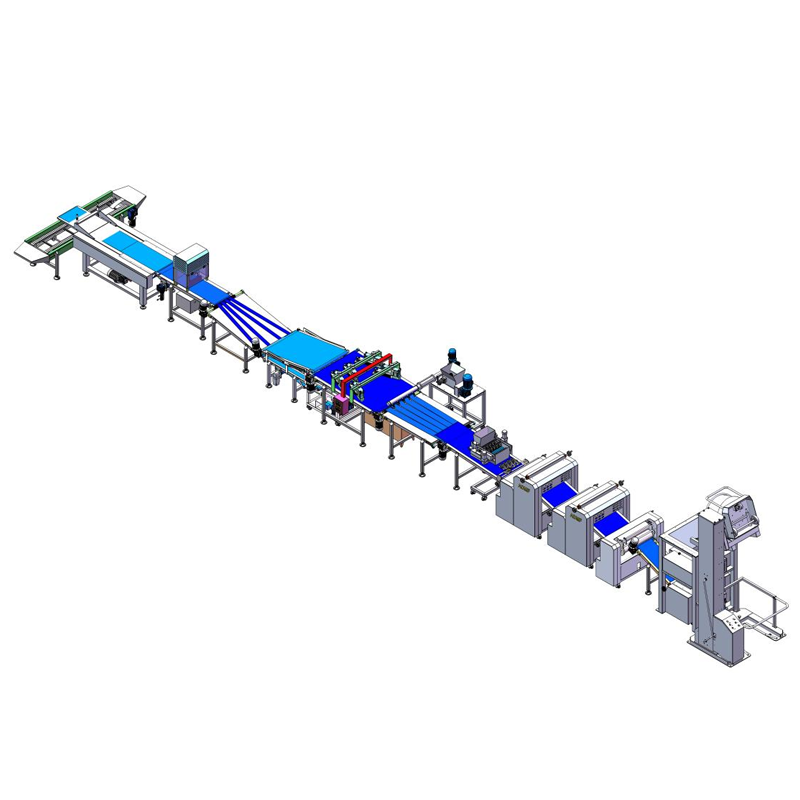
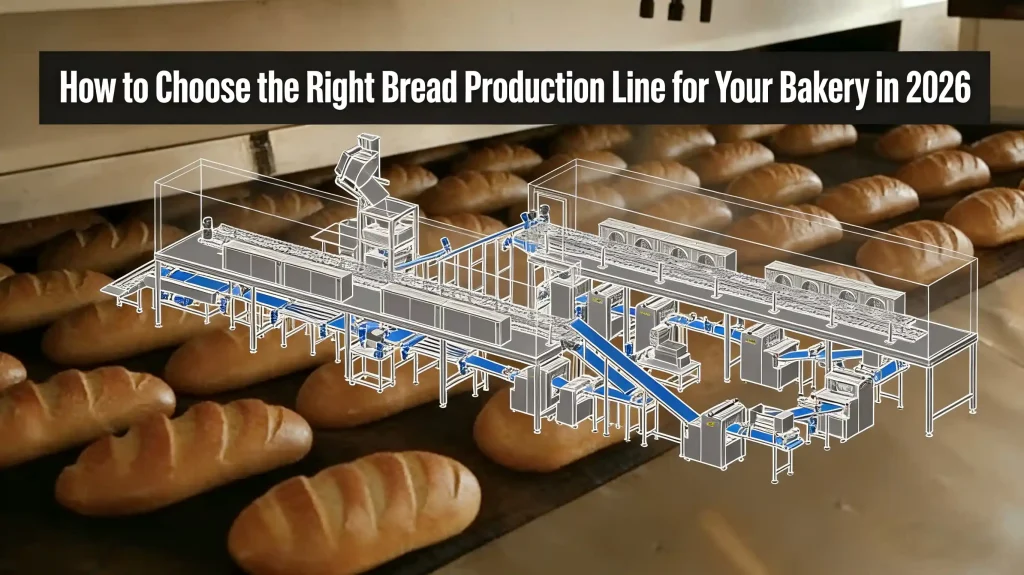
A bread production line is an integrated system designed to automate the process of bread manufacturing. It typically includes multiple machines working together to handle mixing, dividing, shaping, proofing, baking, and cooling.
A standard automatic bread production line may include:
Modern systems are often equipped with PLC control systems, enabling precise control over each stage of production.
Key Factors to Consider When Choosing a Bread Production Line
1. Production Capacity
The first and most critical factor is your required production capacity.
Ask yourself:
For example:
-
Small bakery: 500–1,000 pcs/hour
-
Medium factory: 2,000–5,000 pcs/hour
-
Industrial plant: 10,000+ pcs/hour
Choosing a line that is too small will limit growth, while an oversized system will increase unnecessary investment.
2. Type of Bread Products
Different bread types require different configurations.
Common categories include:
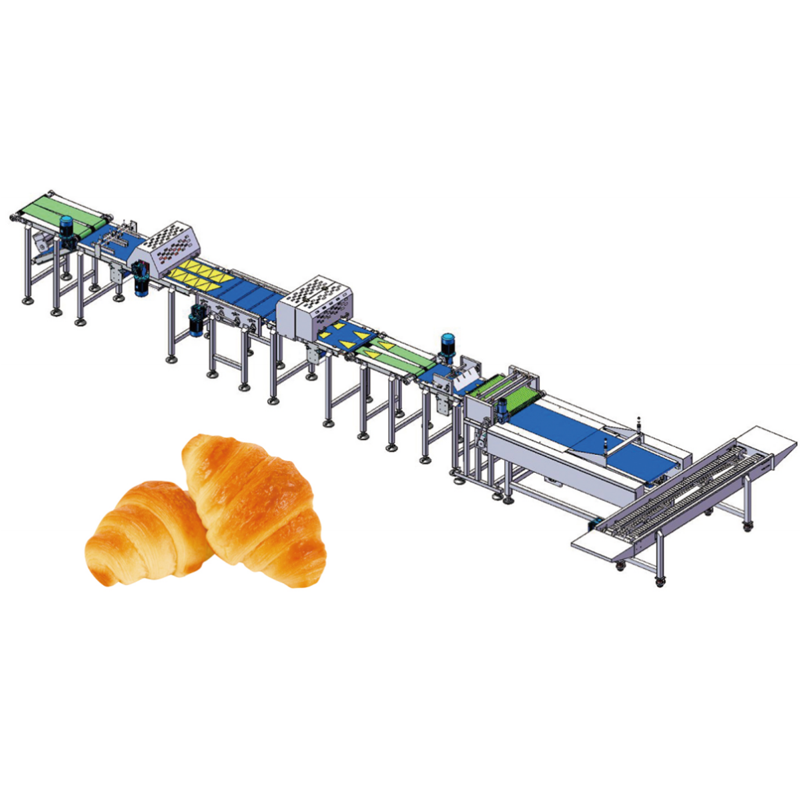
Each product may require specialized forming and handling equipment. For example, a croissant production line requires a laminating system, while a toast bread line focuses more on precise moulding and pan handling.
3. Level of Automation
Bread production lines generally fall into three categories:
Semi-Automatic Line
Fully Automatic Line
-
Minimal labor
-
High efficiency
-
Stable product quality
Smart/Industrial Automation Line
For most growing bakeries, a fully automatic bread production line offers the best balance between cost and performance.
4. Space and Factory Layout
Before purchasing equipment, evaluate your factory space:
-
Available floor area
-
Ceiling height
-
Workflow direction
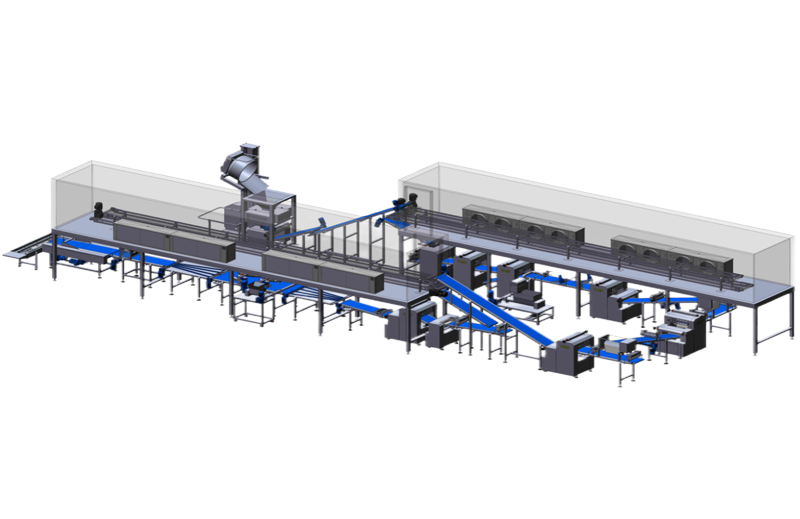
A well-designed layout ensures smooth production flow and avoids bottlenecks. Many manufacturers provide customized layout designs to optimize your space.
Bread Production Line Cost Comparison Table
| Production Line Type | Capacity (pcs/hour) | Nivo automatisation | Estimated Cost (USD) | Labor Requirement | Suitable For |
| Small Line | 500–1,000 | Semi-Automatic | $20,000 – $80,000 | High | Small bakeries |
| Medium Line | 2,000–5,000 | Fully Automatic | $80,000 – $300,000 | Medium | Growing factories |
| Industrial Line | 10,000+ | High Automation | $300,000+ | Low | Large-scale production |
5. Budget and Investment Cost
The cost of a bread production line varies widely depending on:
Typical price ranges:
-
Small line: $20,000 – $80,000
-
Medium line: $80,000 – $300,000
-
Large industrial line: $300,000+
Instead of focusing only on initial cost, consider long-term ROI, including labor savings and production efficiency.
6. Equipment Quality and Durability
High-quality equipment ensures:
-
Longer service life
-
Lower maintenance cost
-
Stable production
Key indicators of quality:
7. After-Sales Service and Support
This is often overlooked but extremely important.
A good supplier should provide:
-
Installation support
-
Training
-
Spare parts supply
-
Technical assistance
Reliable after-sales service minimizes downtime and ensures smooth operation.
Common Mistakes to Avoid
When choosing a bread production line, many buyers make these mistakes:
-
Choosing based only on price
-
Ignoring future expansion needs
-
Not considering product variety
-
Overlooking after-sales support
-
Poor factory layout planning
Avoiding these mistakes can save significant time and money in the long run.
Future Trends in Bread Production Lines
The bakery industry is rapidly evolving, with new technologies improving efficiency and sustainability.
Key trends include:
Investing in modern equipment ensures your bakery remains competitive in the future.
Konklizyon
Selecting the right bread production line is a strategic decision that affects every aspect of your bakery business. By carefully evaluating your production needs, product types, automation level, and budget, you can choose a system that maximizes efficiency and profitability.
If you are looking for a reliable and customizable bread production line solution, working with an experienced manufacturer can make all the difference.
Contact us today to get a customized solution and quotation for your bakery project.
Frequently Asked Questions (FAQ)
1. What is the average lifespan of a bread production line?
A high-quality bread production line typically lasts 10–15 years with proper maintenance. Regular servicing and using quality components can significantly extend its lifespan.
2. How long does it take to install a bread production line?
Installation usually takes 2–6 weeks, depending on the size and complexity of the line. Large industrial systems may require additional time for commissioning and testing.
3. Can one production line handle multiple types of bread?
Yes, many modern systems are designed for multi-product flexibility, but additional modules or adjustments may be required depending on the product type.
4. How many workers are needed for a fully automatic bread production line?
A fully automatic line typically requires 3–6 operators, mainly for monitoring, feeding raw materials, and packaging.
5. What certifications should bakery equipment have?
Look for:
These ensure safety, hygiene, and international usability.
6. How do I choose the right supplier?
Choose a supplier that offers:
7. What is the biggest factor affecting production efficiency?
The most critical factors include:

Pa ADMF