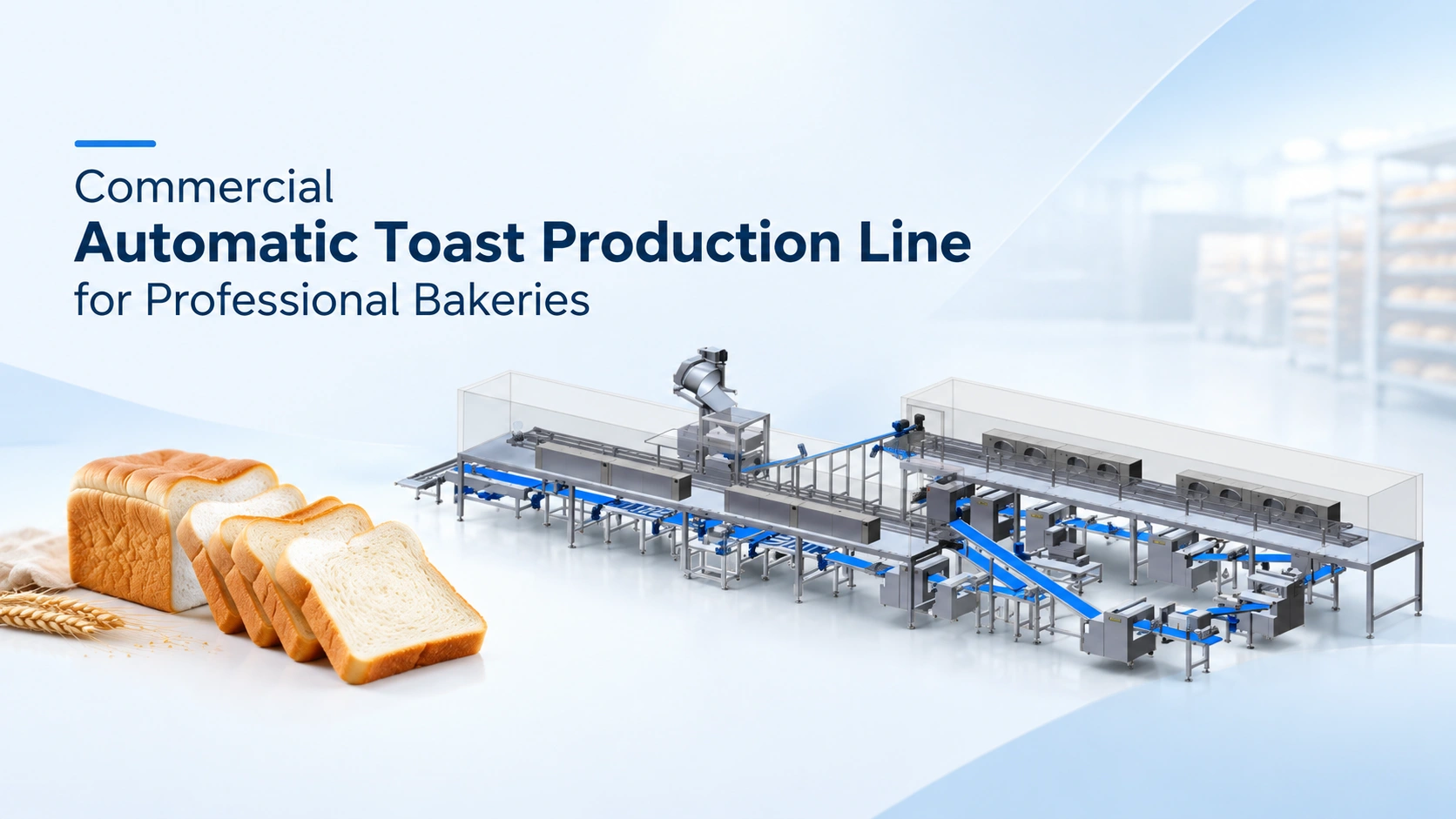
Toast bread is one of the most widely consumed bakery products, serving supermarkets, restaurants, hotels, sandwich manufacturers, and food distribution businesses. As demand for standardized bread products grows, professional bakeries increasingly require reliable equipment that can support continuous production while maintaining consistent quality.
A Commercial Automatic Toast Production Line helps manufacturers streamline dough processing, forming, tray handling, and other production stages. Compared with disconnected equipment and labor-intensive operations, an integrated production system can improve workflow coordination, reduce repetitive manual handling, and support more predictable manufacturing.
Andrew Mafu machin provides bakery equipment and automation solutions for industrial food manufacturers. By selecting the appropriate production-line configuration, bakeries can align equipment performance with their product specifications, production targets, and factory layout.
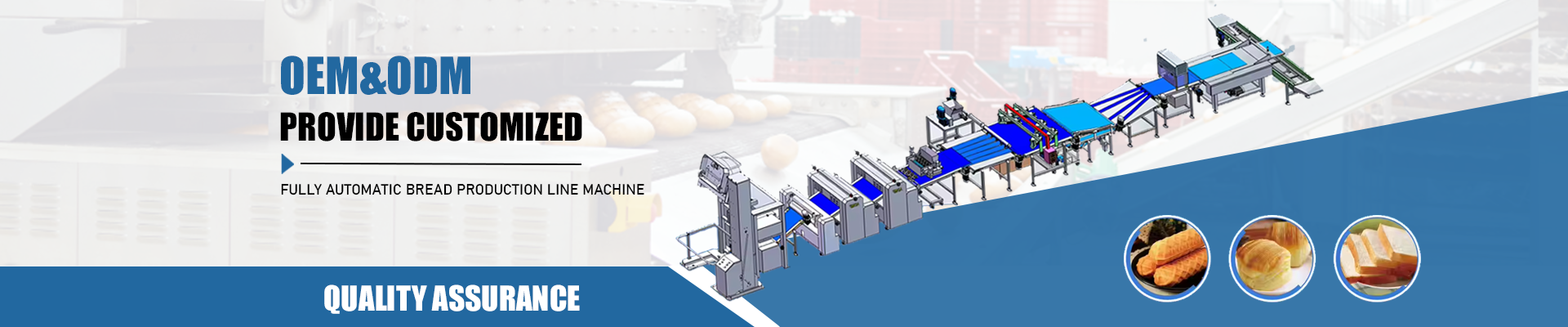
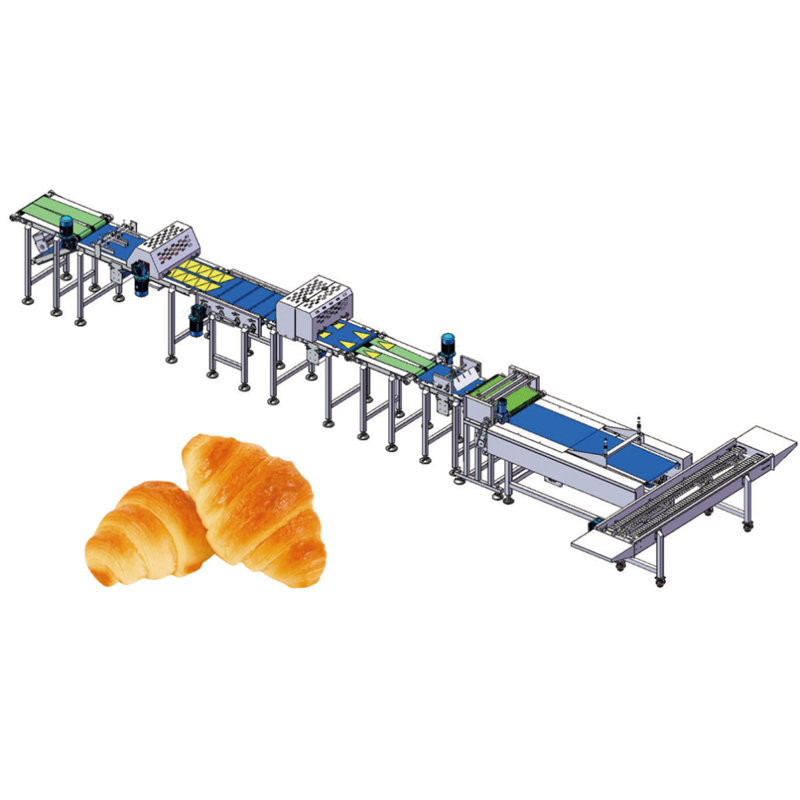
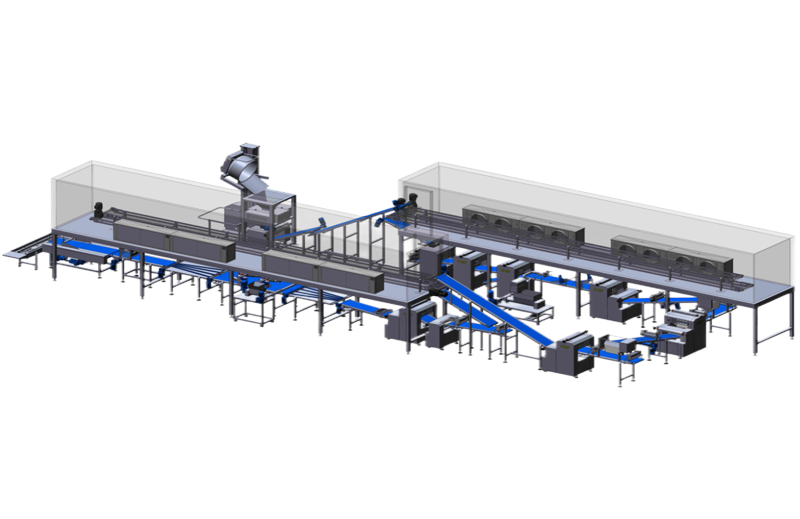
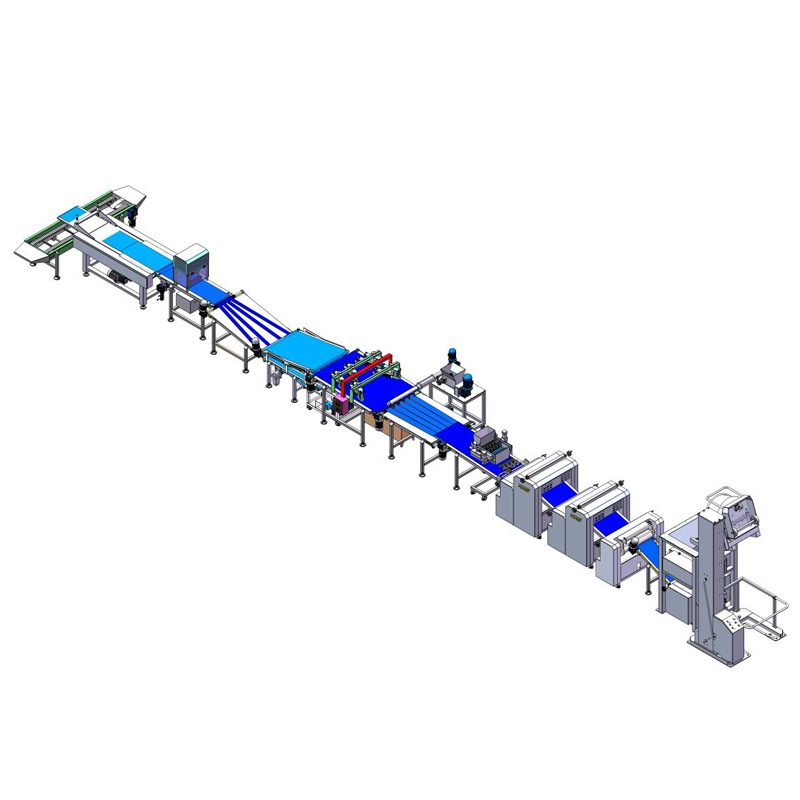
A commercial toast production line is an integrated system designed to manufacture toast bread efficiently and consistently. Depending on the configuration, it may include dough dividing, rounding, intermediate proofing, dough rolling, moulding, tray loading, final proofing, baking, cooling, depanning, and packaging.
The precise arrangement depends on the bread recipe, loaf dimensions, production capacity, and existing factory equipment.
For professional bakeries, automation is valuable because each stage influences the next. Consistent dough portions support uniform loaf sizes, while stable moulding and proofing conditions help achieve repeatable product characteristics.
2. Key Production Stages
Dough Dividing and Rounding
The process begins with dividing prepared dough into portions of a specified weight. Rounding equipment shapes the portions into uniform dough balls, preparing them for subsequent processing.
Accurate portioning helps control product weight and reduce variations between loaves.
Dough Rolling and Moulding
Dough portions are rolled and moulded into the required toast shape. Adjustable forming parameters allow manufacturers to accommodate different loaf dimensions and product specifications.
Suitable forming equipment should handle the dough gently to maintain its structure and support consistent results.
Tray Loading and Proofing
Automated tray loading arranges moulded dough into trays or baking pans. The products then proceed to proofing, where temperature, humidity, and fermentation time influence dough expansion and final texture.
Automation can help coordinate tray movement and reduce manual handling between production stages.
Baking, Cooling, and Depanning
After proofing, the dough is baked according to the recipe and product requirements. The loaves must then cool sufficiently before slicing or packaging.
Where required, automated depanning equipment removes baked loaves from their moulds and transfers them to downstream processing equipment.
3. Technical Parameters to Consider
The following table provides a preliminary technical reference for planning a commercial toast production line. The figures are illustrative industry benchmarks, not confirmed specifications for an Andrew Mafu Machinery model.
| Technical Parameter | Illustrative Reference |
| Production speed | 40–120 pieces/minute on some comparable systems |
| Product weight | 10–150 g on some comparable forming systems; confirm suitability for the intended loaf |
| Electrical supply | 380 V on some industrial equipment; confirm local requirements |
| Control system | PLC with touchscreen, depending on configuration |
| Forming equipment | Dough divider, rounder, roller, and moulding unit as required |
| Tray handling | Manual, semi-automatic, or automatic |
| Proofing and baking | Selected according to recipe and required output |
| Contact materials | Food-contact materials specified for the intended application |
| Line configuration | Standalone machines or integrated production system |
Actual toast loaf weights, output, electrical requirements, and equipment dimensions must be confirmed with the manufacturer. In particular, the illustrative product-weight range above may relate to individual dough portions used in forming applications and should not be interpreted as a guaranteed finished toast loaf range.
4. Benefits of Automated Toast Manufacturing
Improved Production Consistency
Automated portioning and forming help reduce variations in dough weight and shape. Consistency is important for commercial customers who require standardized loaf dimensions and predictable slicing performance.
Higher Operational Efficiency
Coordinated conveyors and automated handling can reduce unnecessary movement between machines. This helps professional bakeries organize production more efficiently and identify bottlenecks.
Reduced Repetitive Manual Handling
Automation can reduce the need for repetitive tasks such as transferring dough portions and loading trays. Operators can focus more on process monitoring, quality checks, and equipment management.
Flexible Production Planning
A modular production line may allow bakeries to add equipment or adjust the configuration as demand changes. Compatibility should be assessed before integrating new machines into an existing facility.
5. How to Select the Right Production Line
Before purchasing a Commercial Automatic Toast Production Line, manufacturers should evaluate several factors.
Production capacity: Calculate the required hourly output and consider operating shifts, product changeovers, cleaning time, and downstream capacity.
Product specifications: Provide loaf dimensions, target weight, recipe characteristics, pan type, and any special requirements, such as high-moisture bread.
Factory layout: Review available floor space, conveyor routes, ceiling height, utilities, and operator access.
Automation level: Determine which stages need automation and whether the system should integrate with existing proofing, baking, depanning, slicing, or packaging equipment.
After-sales support: Confirm installation assistance, operator training, spare parts availability, maintenance procedures, and technical documentation.
The best solution is not necessarily the largest production line. It is the configuration that meets production targets while maintaining product quality and reasonable operating costs.
6. Hygiene and Maintenance Considerations
Food hygiene is essential in commercial bakery operations. Equipment should allow appropriate cleaning, inspection, and maintenance, particularly around dough-contact surfaces, conveyors, moulds, and product-transfer points.
The FAO/WHO Codex Alimentarius General Principles of Food Hygiene provide an internationally recognized reference for hygienic food handling and production. Bakeries should also follow applicable food safety regulations in their target markets.
A practical maintenance program should include routine inspection of belts, bearings, drive components, sensors, and control systems. Clear cleaning procedures and operator training can help support reliable operation over the equipment’s service life.
Konklizyon
A Commercial Automatic Toast Production Line can help professional bakeries improve production coordination, standardize dough handling, and support consistent toast manufacturing. The most suitable system depends on the required capacity, product specifications, factory layout, and desired level of automation.
Andrew Mafu Machinery offers bakery equipment and production-line solutions tailored to different manufacturing requirements. By sharing your product details and production targets, you can work with the technical team to determine a suitable configuration for your bakery.
Contact Andrew Mafu Machinery to discuss your toast bread production requirements and explore an automation solution for your business.
FAQ
1. What equipment is included in an automatic toast production line?
Depending on the configuration, the line may include dough dividing, rounding, rolling, moulding, tray loading, proofing, baking, cooling, and depanning equipment.
2. Can the production line manufacture different toast bread sizes?
Potentially, yes. Product flexibility depends on the forming equipment, moulds, recipe, and adjustment range. Confirm compatibility with the manufacturer before ordering.
3. How do I calculate the required production capacity?
Start with your target number of loaves per hour, planned operating hours, product weight, and expected downtime. Also check that proofing, baking, cooling, and packaging can handle the same output.
4. Can an automatic line be integrated into an existing bakery?
In many cases, modular equipment can be integrated into an existing workflow. A technical assessment of conveyor height, speed, floor space, utilities, and control interfaces is recommended.
5. What information is needed for a quotation?
Prepare your target capacity, loaf dimensions and weight, product recipe or sample, pan specifications, factory layout, electrical supply, and preferred automation level.
6. How can a bakery maintain consistent toast quality?
Control dough portion weight, forming conditions, proofing, baking, and cooling. Regular equipment maintenance and recipe consistency are also important.
References
1.Andrew Mafu Machinery – Fully Automatic Toast Bread Production Line
https://www.andrewmafugroup.com/news/andrew-mafu-machinery-demonstrates-fully-automatic-toast-bread-production-line/
2.Longyu – Toast Bread Production Line
https://www.longyu-sh.com/bakery-production-lines/automatic-bread-production-line/toast-bread-production-line.html
3.FAO/WHO Codex Alimentarius – Codes of Practice
https://www.fao.org/fao-who-codexalimentarius/codex-texts/codes-of-practice/en/
4.World Health Organization – Codex Alimentarius and Food Safety
https://www.who.int/health-topics/food-safety/codex-alimentarius

Pa ADMF