Sandwich Bread Production Line for Efficient, Consistent Automated Production
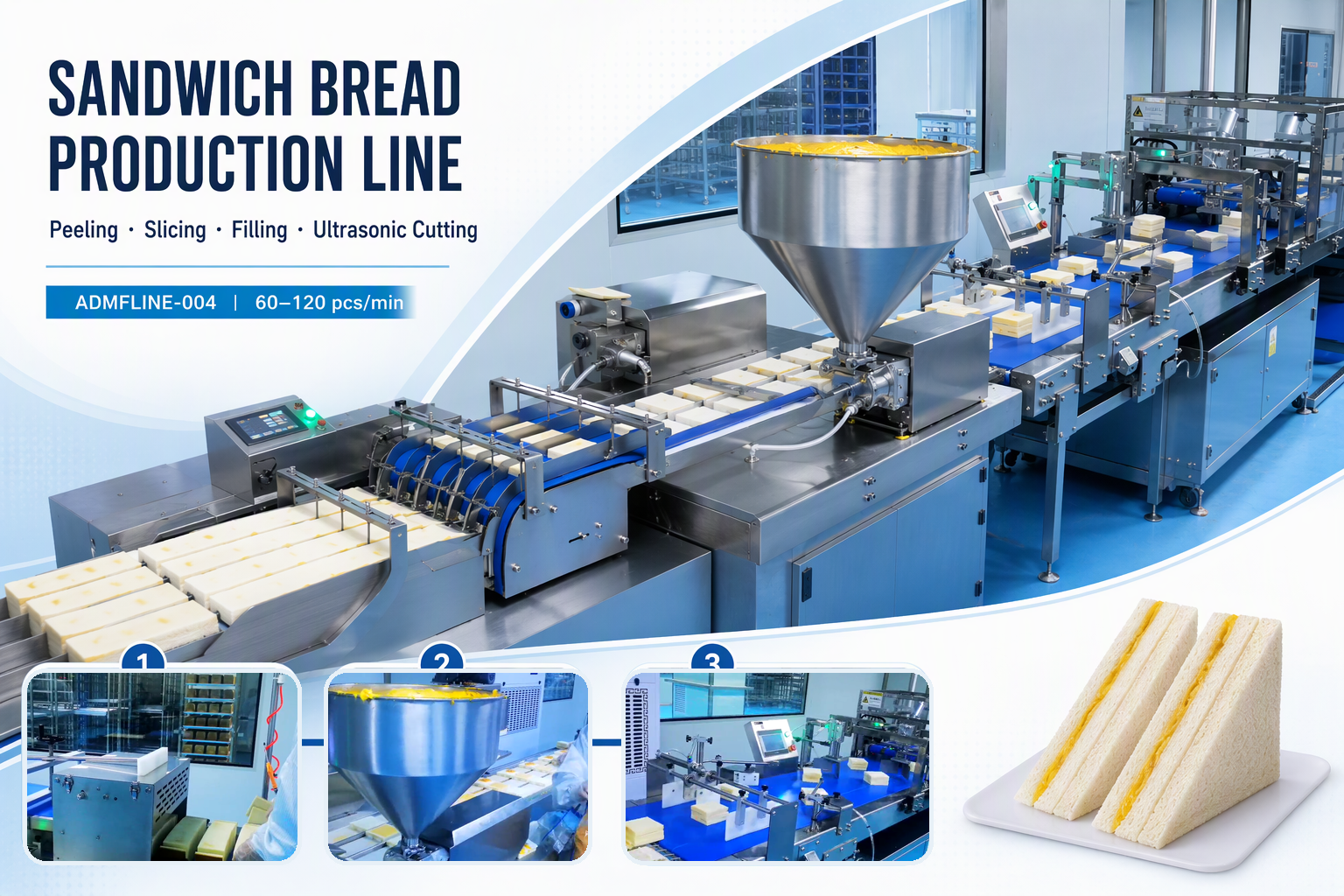
Commercial sandwich manufacturing involves much more than placing a filling between two slices of bread. When output increases, every stage—toast feeding, crust removal, slicing, spreading, filling, assembly and final cutting—must operate at a coordinated speed. Differences in bread position, filling distribution or cutting accuracy can affect appearance, portion control and downstream packaging.
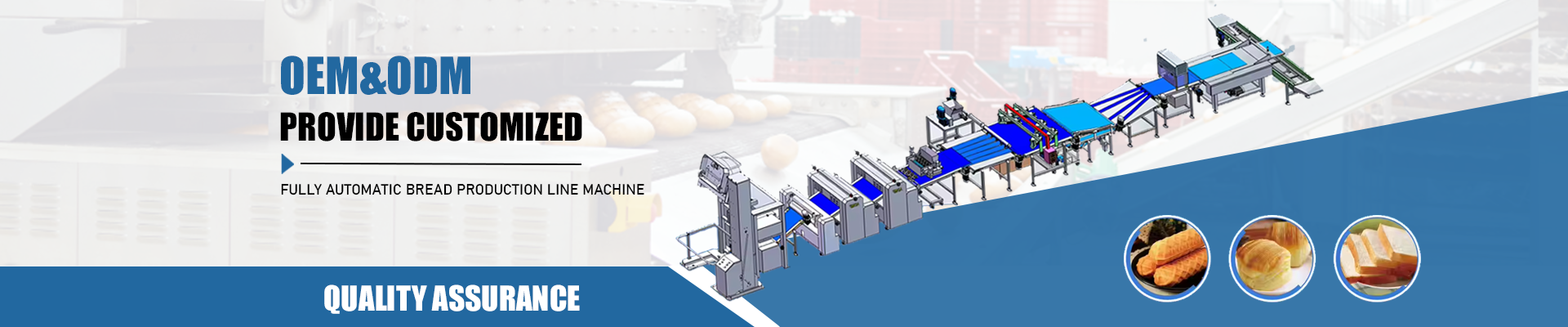
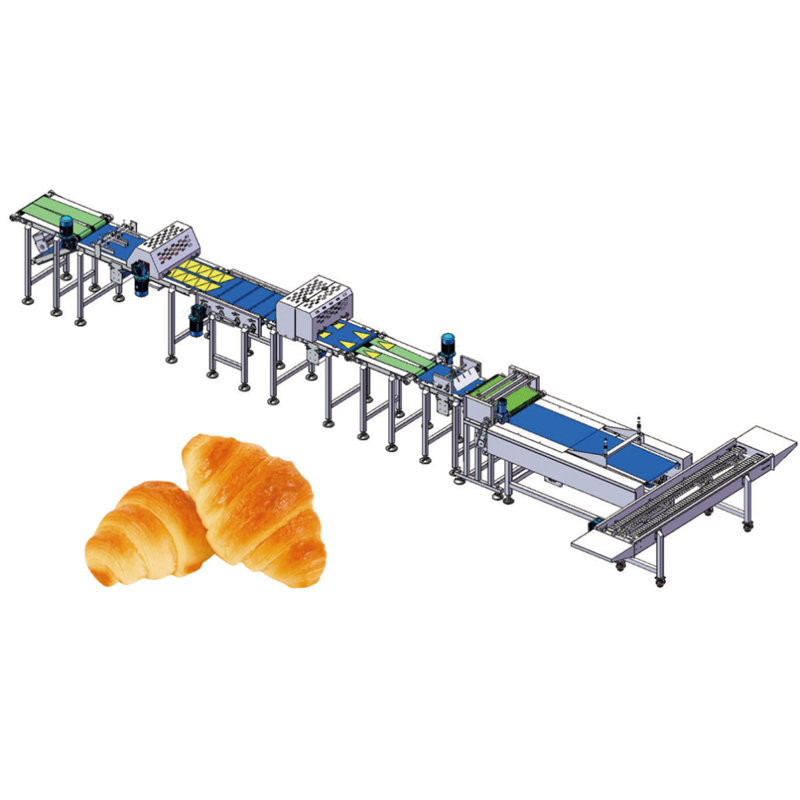
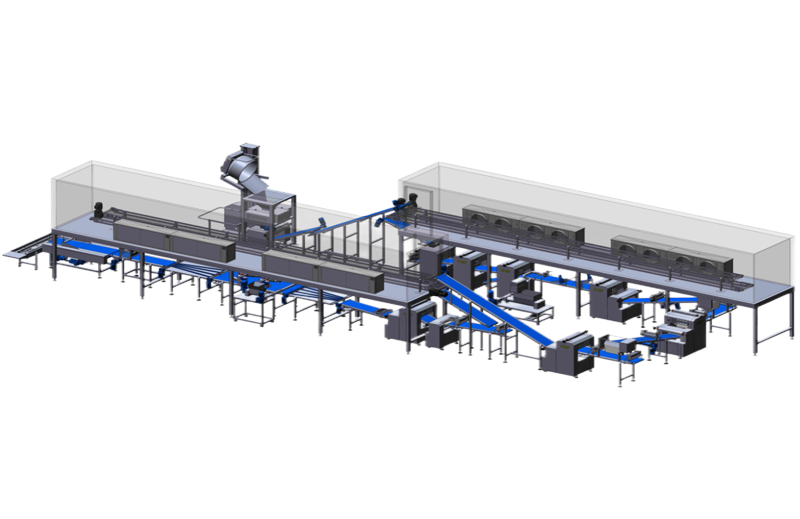
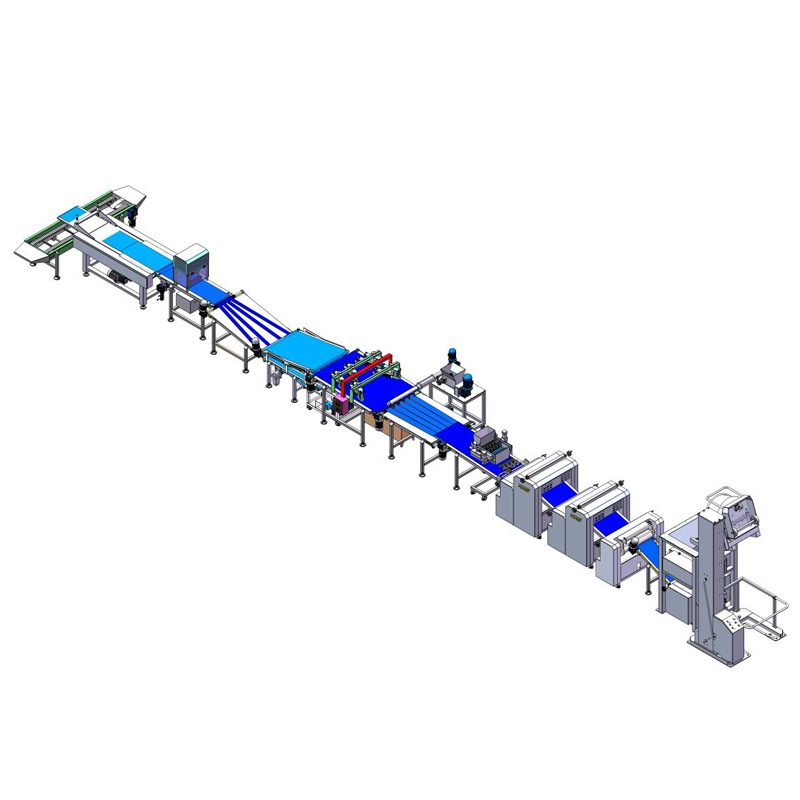
A sandwich bread production line presented in the ADMF sandwich production video is designed to connect these operations in one organized workflow. Instead of relying on separate manual stations, the line combines toast peeling, bread slicing, sandwich filling and ultrasonic cutting. For bakeries, central kitchens, supermarket suppliers and prepared-food factories, this approach supports higher throughput while helping each sandwich follow the same production sequence.
What Is a Sandwich Bread Production Line?
A sandwich bread production line is an integrated processing system that converts whole or sliced toast loaves into assembled and portioned sandwich products. Depending on the required configuration, the process may include toast crust peeling, bread slicing, sauce or cream spreading, filling placement, layer alignment, pressing, ultrasonic cutting and transfer to packaging.
The purpose of integration is not simply to make the conveyor move faster. Each station must deliver the product to the next station at the correct position, orientation and spacing. A stable flow helps reduce repeated manual handling and makes it easier to maintain consistent sandwich dimensions across a production batch.
Andrew Mafu Machinery configures the ADMFLINE-004 around four stated functions: toast peeling, bread slicing, sandwich filling and ultrasonic cutting. The system can therefore cover the central preparation stages between finished toast loaves and portioned sandwiches. The final layout should still be selected according to the bread size, filling characteristics, target portion shape, packaging method and available factory space.
Why Sandwich Automation Matters
Manual sandwich assembly is flexible, but it becomes difficult to standardize when production volume rises. Operators may apply different amounts of spread, position fillings differently or cut the finished sandwich at slightly different angles. These variations can influence product presentation and make packaging less predictable.
Automation creates repeatable production conditions. Bread slices move through defined stations, filling is applied at controlled positions, and the assembled product is transferred to a cutting unit without unnecessary repositioning. This coordinated process can support:
(1)More stable sandwich size and appearance;
(2)Reduced repetitive manual operations;
(3)Better synchronization between preparation and packaging;
(4)Easier planning for continuous or multi-shift production;
(5)Faster changeover when tooling and settings are prepared for different products;
(6)Cleaner product transfer with fewer unnecessary contact points.
Automation does not eliminate the need for process control. Bread softness, slice thickness, filling viscosity and ingredient size must still be tested because these factors influence feeding stability and cutting quality. Product trials are therefore an essential part of selecting and commissioning the correct line configuration.
How the Production Line Works
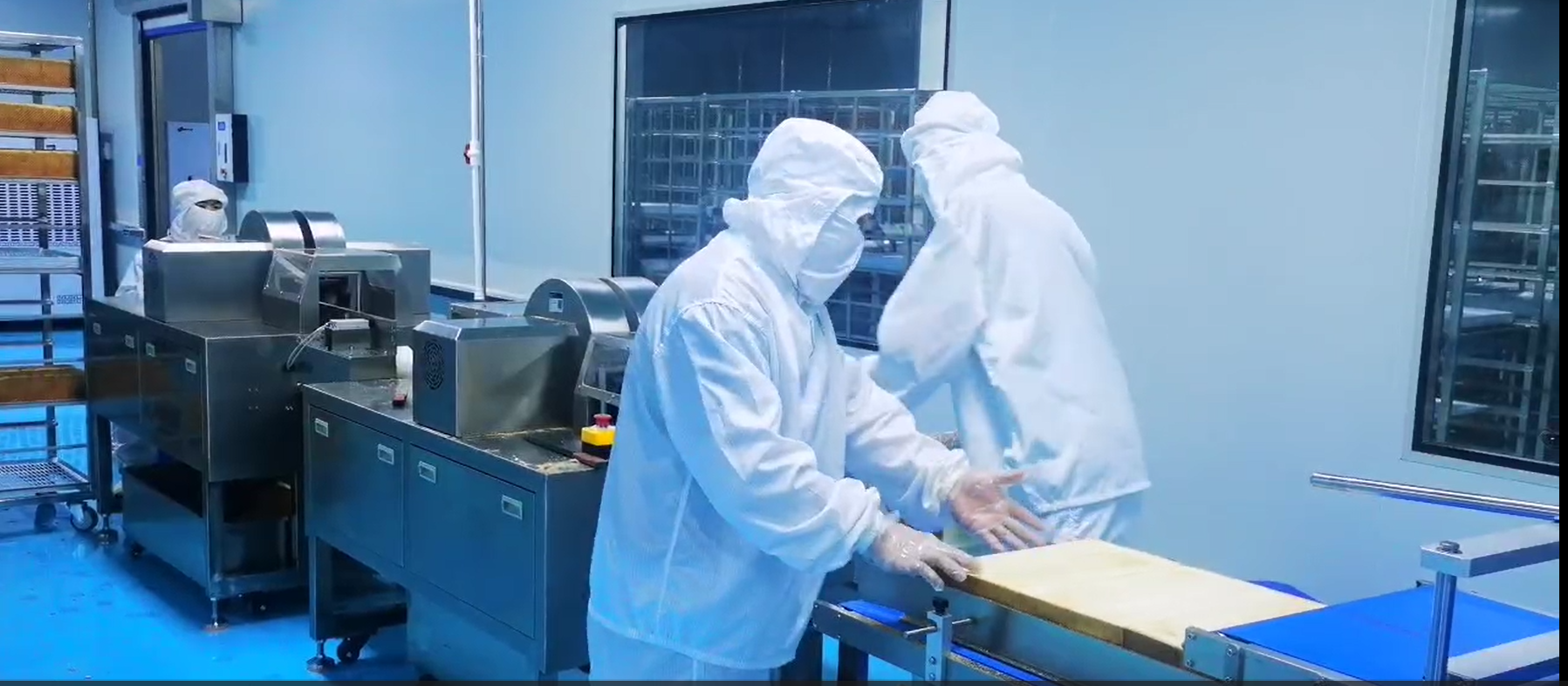
1. Toast Feeding and Crust Peeling
Finished toast loaves enter the system in an aligned position. A peeling unit removes the crust according to the required product specification. Controlled feeding is important because unstable loaf position can create uneven trimming and affect the dimensions of the slices used in later stages.
For applications that need a dedicated crust-removal solution, the ADMF pen pen griye penti kap dekale machin can be considered as an individual unit or as part of a connected production arrangement.
2. Bread Slicing
After peeling, the bread is cut into uniform slices. Consistent slice thickness helps the sandwich maintain an even shape and provides a stable surface for spreading and filling. A properly selected bread slicing machine should match the softness, moisture level and dimensions of the customer’s bread.
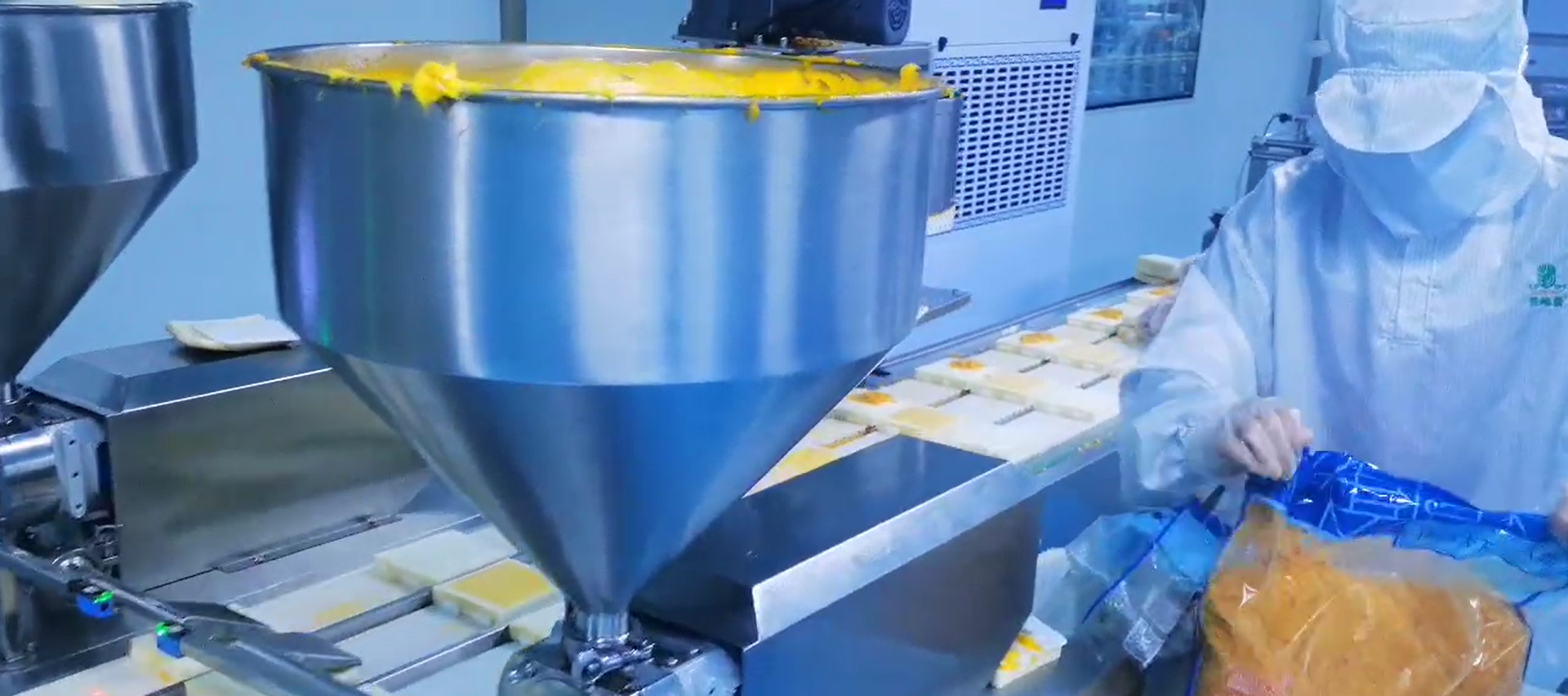
3. Spreading and Filling
The sliced bread moves to the spreading and filling section. Depending on the recipe, suitable materials may include butter, mayonnaise, mustard, cream, jam or other prepared fillings. The filling station must be configured for the material’s viscosity and particle size. Smooth fillings behave differently from ingredients containing larger pieces, so pump type, nozzle design and cleaning access should be confirmed through testing.
Solid ingredients such as sliced cheese, meat, vegetables or prepared portions may be added through manual-assisted or automated stations according to the project. The objective is to place ingredients within the usable bread area and reduce overflow during assembly and cutting.
4. Layer Alignment and Sandwich Assembly
The assembly conveyor brings the bread layers together while maintaining their position. Accurate alignment improves the finished product’s appearance and prevents filling from being pushed toward the edge. Product guides and conveyor speed should be adjusted to the bread dimensions and number of layers.
This stage can be configured for simple two-slice sandwiches or more complex multilayer products. However, every additional layer changes the overall height and compression behavior, so the feeding and cutting settings must be verified with actual samples.
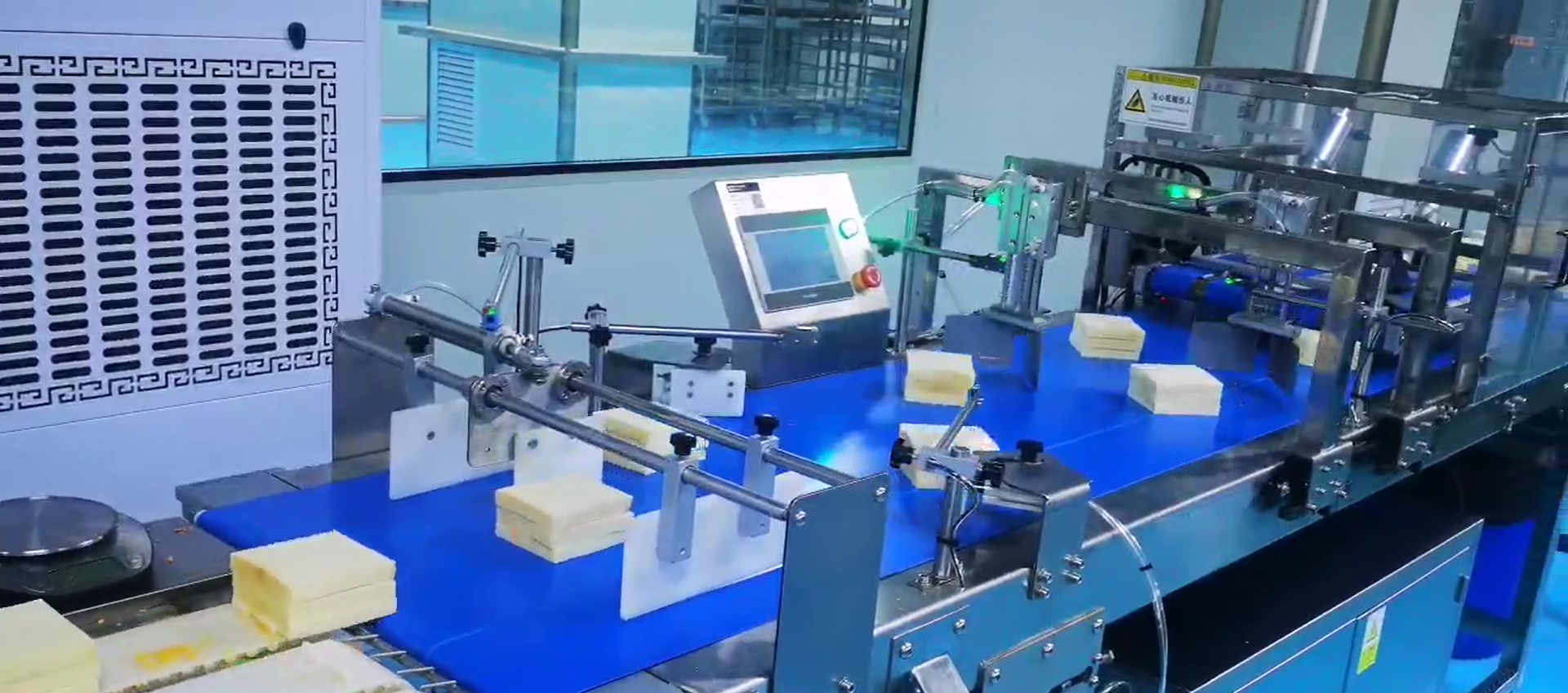
5. Ultrasonic Cutting
The assembled sandwich is transferred to the ultrasonic cutting station. Ultrasonic technology uses high-frequency blade vibration to support cleaner cutting through soft bread and suitable fillings. Compared with an unsuitable conventional blade, it can help reduce dragging, compression and filling displacement when the product and settings are correctly matched.
The cutting pattern can be designed for halves, triangles, quarters or other project-specific formats. Final results depend on sandwich height, bread texture, filling composition, blade condition and operating parameters. Sample testing remains necessary before production approval.
6. Transfer to Packaging
After cutting, the portions leave the line in an organized sequence for inspection and packaging. The production line can be planned around the customer’s downstream packing method, but the exact interface should be confirmed during layout design. Conveyor height, product spacing and packaging speed must be coordinated to avoid accumulation between systems.
Technical Parameters
The following specifications are taken from the official sandwich bread production line product page.
Note: Specifications above are reference values. Final parameters should be confirmed according to the customer’s product samples and production requirements.
Key Features and Production Benefits
Integrated Processing
Connecting peeling, slicing, filling and ultrasonic cutting reduces the need to move products between unrelated workstations. A unified line also makes it easier to balance the production rate of each process.
Consistent Product Presentation
Repeatable feeding, spreading, assembly and cutting conditions help produce sandwiches with more uniform dimensions. This is especially important for retail packs, convenience-store products and foodservice portions where presentation is part of the purchase decision.
Flexible Configuration
A sandwich project can differ significantly by region and product concept. Some factories produce crustless tea sandwiches, while others manufacture filled toast, triangle sandwiches or club sandwiches. The system should therefore be configured around actual product samples rather than a generic specification alone.
Reduced Repetitive Handling
Automated conveying and coordinated processing can reduce labor-intensive transfer and cutting work. Operators can focus more on ingredient preparation, inspection, sanitation and production control.
Compatibility with Existing Operations
The line may be used as a complete system or developed around selected modules. A bakery that already has suitable slicers or packaging equipment may require only the missing preparation, filling, assembly or cutting stages. Proper engineering review is needed to synchronize conveyor heights and operating speeds.
Applications and Product Flexibility
The ADMFLINE-004 is intended for commercial applications such as:
(1)Crustless sandwiches for retail and catering;
(2)Triangle or rectangular sandwich portions;
(3)Club sandwiches and multilayer toast products;
(4)Cream-, jam- or sauce-filled toast products;
(5)Prepared sandwiches for supermarkets and convenience stores;
(6)Central-kitchen and foodservice production;
(7)Chilled or frozen sandwich programs where the complete process is designed accordingly.
Factories developing sealed filled products can also review the multifunctional pocket bread forming machine as a separate solution. The correct choice depends on whether the product is an assembled sandwich, a cut filled toast product or a sealed pocket-style bread.
Important Considerations Before Selecting a Line
Buyers should evaluate more than the nominal output. Before finalizing a production line, confirm:
(1)Bread specifications: loaf length, width, height, slice thickness, moisture and softness;
(2)Product format: number of layers, finished dimensions, portion shape and target weight;
(3)Filling characteristics: viscosity, temperature, particle size and required deposit amount;
(4)Cutting requirements: halves, triangles, quarters or customized patterns;
(5)Factory conditions: available length and width, operator access, drainage and cleaning routes;
(6)Downstream connection: inspection, wrapping, labeling, metal detection or secondary packaging;
(7)Utilities and standards: electrical supply, compressed air if required and applicable local requirements.
Providing representative bread and filling samples allows the equipment supplier to perform more meaningful trials and recommend suitable settings. It also reduces the risk of selecting a line based only on theoretical capacity.
Hygiene and Production Management
Ready-to-eat sandwich processing requires careful hygiene management because many ingredients are added after baking. Equipment design should support accessible cleaning, suitable food-contact surfaces and practical sanitation procedures. Operators should also control ingredient temperature, storage time and cross-contamination risks according to the factory’s food-safety plan.
The FAO/WHO Codex General Principles of Food Hygiene describes Good Hygiene Practices and HACCP-based controls as fundamental elements of food safety management. The FDA Food Code also provides guidance related to equipment cleanliness and food-contact surfaces. Equipment selection should therefore be considered together with the customer’s sanitation program, not as an isolated purchasing decision.
Konklizyon
A modern sandwich bread production line can organize toast peeling, slicing, filling, assembly and cutting into a continuous manufacturing process. The main value is not speed alone: coordinated equipment can help manufacturers improve repeatability, reduce unnecessary handling and prepare products more consistently for packaging.
With a reference capacity of 60–120 pieces per minute, the ADMFLINE-004 offers a scalable option for commercial bakeries, prepared-food factories, supermarket suppliers and central kitchens. Andrew Mafu Machinery can configure the system according to the customer’s bread dimensions, recipes, cutting format, required output and available production space.
To discuss a project, review our complete range of Ekipman boulanje or contact the ADMF team with your product samples, factory layout and capacity target.
FAQ
1. What is the production capacity of the ADMFLINE-004?
The official reference capacity is 60–120 pieces per minute. Actual output depends on product size, number of layers, filling method, cutting pattern and downstream process.
2. Can the line produce triangle and rectangular sandwiches?
The ultrasonic cutting section can be configured for different portion formats. The final cutting method and tooling should be confirmed through product trials.
3. What fillings can be processed?
The line can be configured for suitable spreads and fillings such as butter, mayonnaise, mustard, cream or jam. Materials containing particles require evaluation of the depositing system and nozzle design.
4. Can the line connect to existing packaging equipment?
Integration may be possible when conveyor height, product spacing, capacity and communication requirements are compatible. The existing equipment details should be reviewed before layout confirmation.
5. Is the production line customizable?
Yes. The configuration should be selected according to bread dimensions, sandwich structure, filling properties, target cutting format, production capacity and factory layout.
6. What information is needed for a quotation?
Provide product photos or samples, loaf and sandwich dimensions, filling information, required output, electrical supply, available floor plan and preferred packaging method.
References
- Andrew Mafu Machinery — Sandwich Bread Production Line
- FAO/WHO Codex Alimentarius — Publications and Food Hygiene Resources
- U.S. Food and Drug Administration — FDA Food Code
- PMMI — Association for Packaging and Processing Technologies
- Bakerpedia — Commercial Baking Technical Resources

Pa ADMF