How to Choose the Right Bread Forming Machine for Your Bakery: A Complete Guide
Introduction: Why Choosing the Right Bread Forming Machine Matters
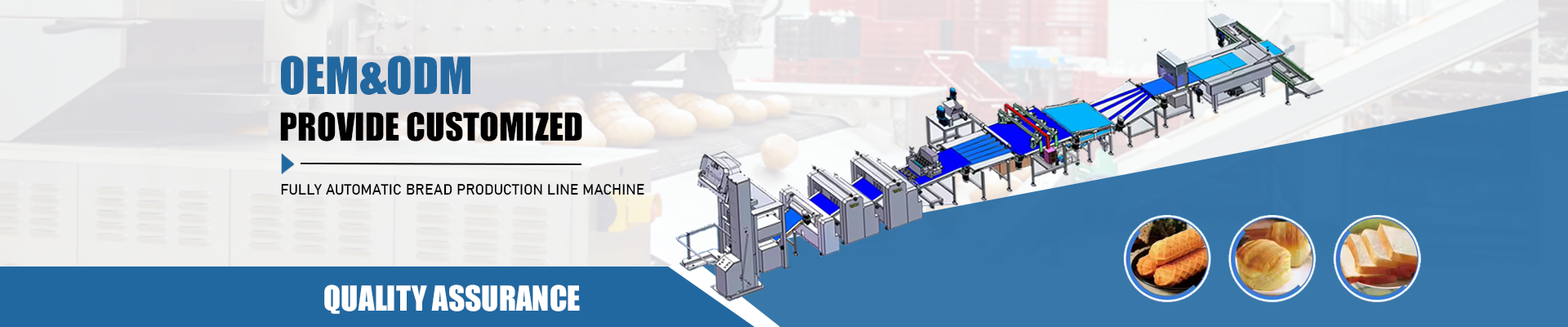
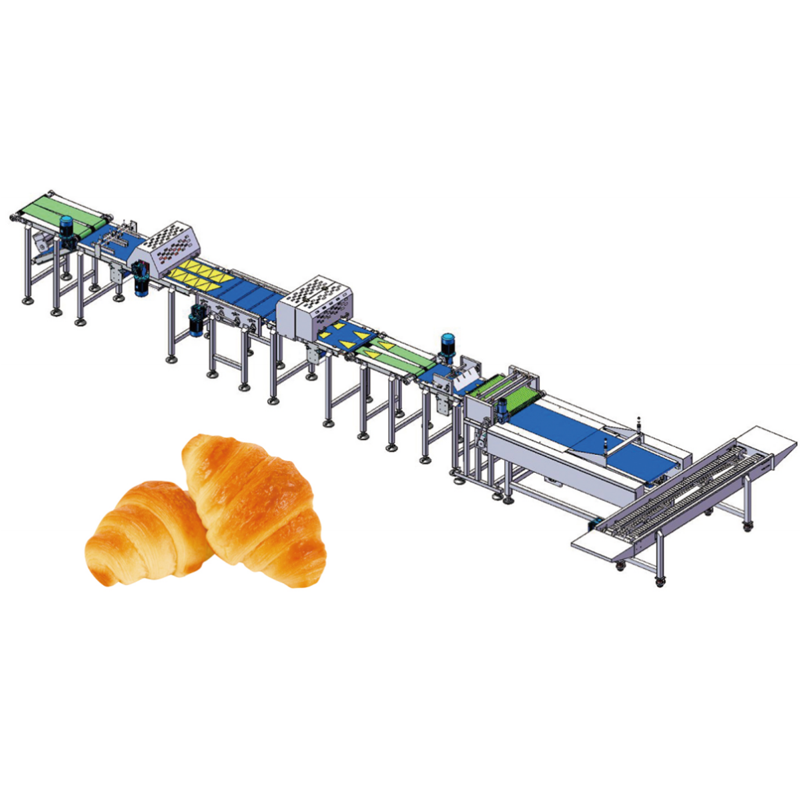
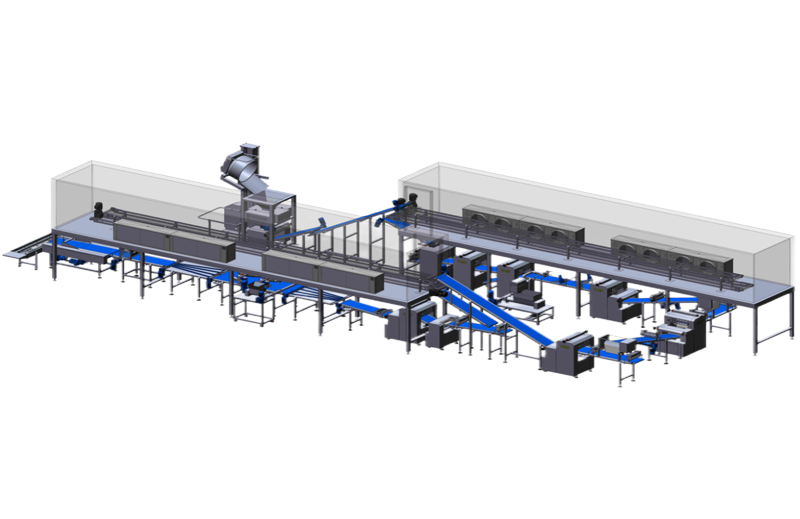
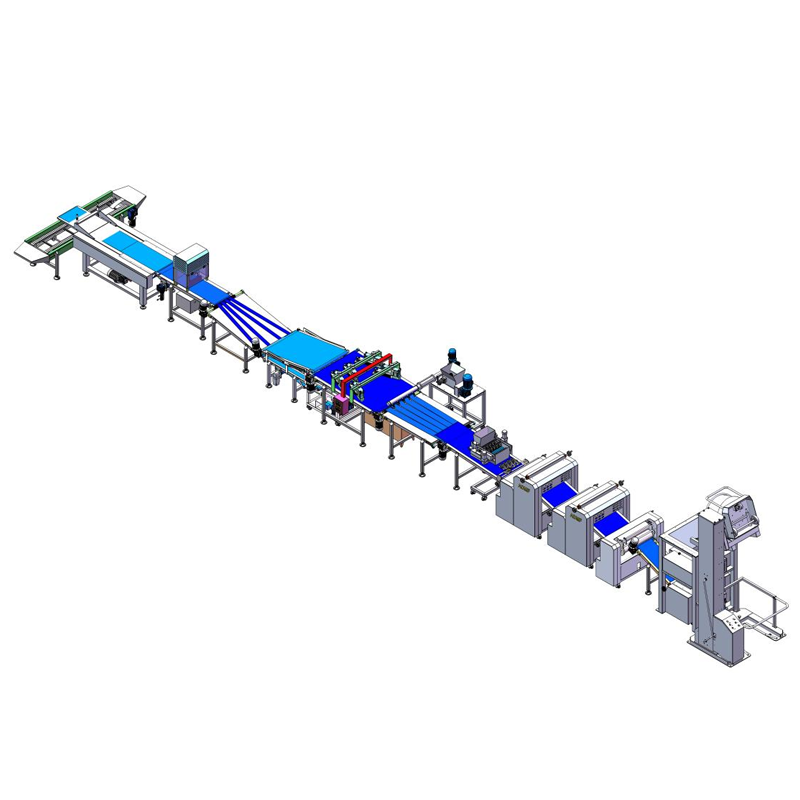
In modern industrial baking, efficiency and consistency are key factors that determine production success. One of the most critical pieces of equipment in a bakery production line is the bread forming machine.
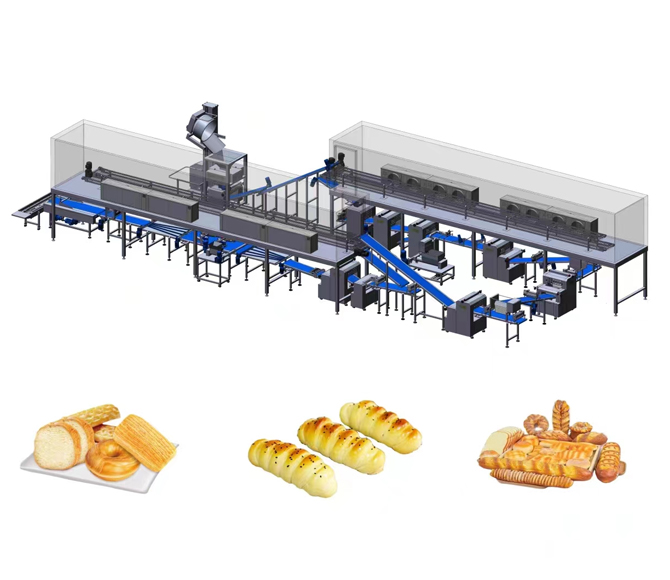
Selecting the wrong machine can result in:
To help bakery owners and production managers make informed decisions, this guide explains how to choose the right bread forming machine based on production needs, dough characteristics, and automation requirements.
What Is a Bread Forming Machine?
A bread forming machine is used to shape dough into specific forms such as:
-
Toast bread
-
Ato
-
Rolls
-
Sanuisi falaoa
It works as part of a larger production system, often integrated with:
-
Dough mixers
-
Dough dividing machines
-
Proofing systems
-
Baking ovens
The machine ensures consistent shaping, which directly affects the final product quality.
Key Factors to Consider When Choosing a Bread Forming Machine
1. Production Capacity Requirements
One of the first factors to consider is your production volume.
Production Capacity Selection Guide
| Bakery Type | Recommended Capacity | Application |
| Small Bakery | 500 – 2,000 pcs/hour | Local production |
| Medium Factory | 2,000 – 5,000 pcs/hour | Retail supply |
| Industrial Bakery | 5,000 – 10,000 pcs/hour | Mass production |
👉 Choosing the right capacity ensures efficiency without over-investment.
2. Dough Type Compatibility
Different bread products require different dough properties.
Key considerations:
Machines from Andrew Mafut masini (Faamolo) are designed to handle a wide range of dough types, including high-hydration dough used in artisan bread.
3. Level of Automation
Automation level directly affects labor cost and efficiency.
| Otometi tulaga | Faʻamatalaga | Best For |
| Manual | Operator-controlled | Small bakeries |
| Semi-Automatic | Partial automation | Medium production |
| Fully Automatic | Integrated production line | Industrial factories |
👉 For large-scale production, a fully automated bread forming line is highly recommended.
4. Product Flexibility
A good forming machine should support multiple product types.
Examples:
-
Toast bread
-
Buns
-
Rolls
-
Ato
ADMF forming systems offer adjustable rollers and modular design, allowing quick switching between products.
5. Integration with Production Line
Modern bakeries require full automation.
The forming machine should integrate with:
This ensures a smooth production flow and reduces manual handling.
| Tulaga tau | Faamatalaga |
| Gaosiga gafatia | 2,000 – 8,000 pcs/hour |
| Dough Weight Range | 50g – 800g |
| Sheeting Width | 400mm – 800mm |
| Hydration Compatibility | 55% – 75% |
| Pulea faiga | PLC + Touchscreen |
| Meafaitino | Food-grade Stainless Steel |
| Power Supply | 380V / 50Hz |
Common Mistakes When Choosing a Bread Forming Machine
❌ Choosing Based Only on Price
Low-cost machines often result in higher long-term costs.
❌ Ignoring Dough Characteristics
Not all machines handle high-hydration dough well.
❌ Lack of Future Scalability
Choosing a machine that cannot scale limits business growth.
❌ Poor Integration Capability
Standalone machines reduce overall efficiency.
Benefits of Choosing the Right Bread Forming Machine
Faateleina le gaosiga o le lelei
Automation reduces shaping time significantly.
Consistent Product Quality
Uniform shaping ensures better baking results.
Reduced Labor Costs
Less reliance on manual labor.
Mogafagafa
Supports future expansion of production capacity.
Aisea na filifili ai Andrew Mafur
Andrew Mafu Machinery specializes in advanced bakery automation solutions, including:
With a focus on innovation and reliability, ADMF machines are widely used in industrial bakeries worldwide.
Application Scenarios
Bread forming machines are widely used in:
-
Industrial bread factories
-
Central kitchens
-
Frozen dough production facilities
-
Bakery chain production centers
They are essential for achieving consistent, large-scale production.
Faaiuga
Choosing the right bread forming machine is a critical decision that impacts production efficiency, product quality, and operational costs.
By considering factors such as production capacity, dough compatibility, automation level, and integration capabilities, bakeries can select equipment that meets both current and future production needs.
Advanced solutions from Andrew Mafu Machinery provide reliable performance and flexibility, helping bakeries achieve efficient and scalable production.
FAQ – Bread Forming Machine
Faamatalaga & Punavai
Andrew Mafu Machinery Official Website
Baking Business – Industry Insights
Food Engineering Magazine
Bakery & Snacks Global News

E ala i le faafanua