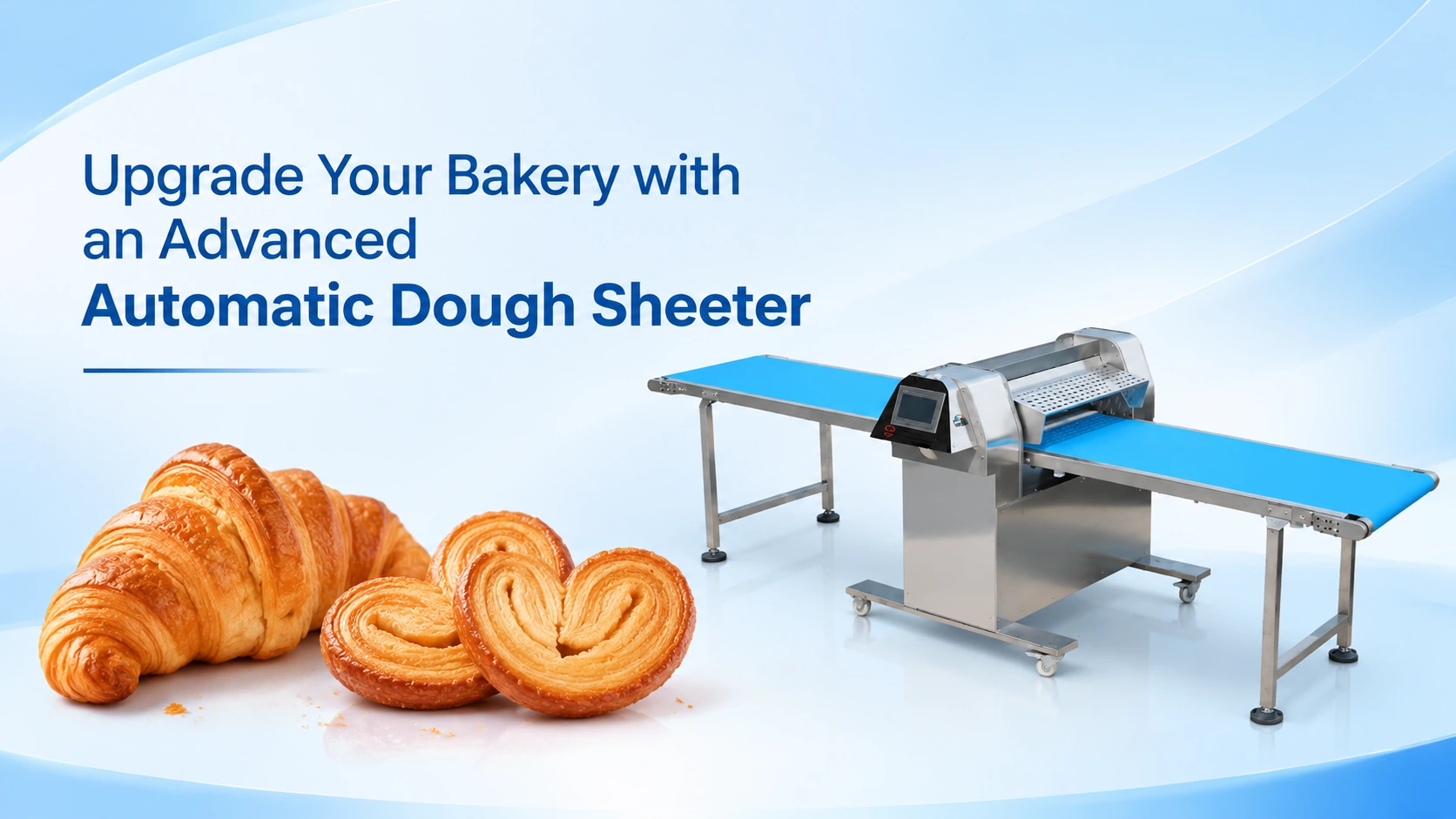
In modern bakery production, consistent dough thickness and efficient processing are essential for producing high-quality bread and pastry products. Whether manufacturing croissants, puff pastry, Danish pastries, or other laminated dough products, bakeries need reliable equipment to achieve uniform results and maintain an efficient workflow.
An Automatic Dough Sheeter Machine is designed to simplify the dough rolling and sheeting process. By combining adjustable rollers, conveyor belts, and automated control systems, it helps bakeries produce uniform dough sheets while reducing repetitive manual operations.
Andrew Mafut masini provides bakery equipment and automated production solutions designed to support the changing needs of commercial bakeries and industrial food manufacturers.
An Automatic Dough Sheeter is a bakery machine that presses and rolls dough into sheets with controlled thickness. Instead of relying entirely on manual rolling, operators can use mechanical or programmable systems to adjust the roller gap and control the dough’s movement through the machine.
Depending on the model and configuration, an automatic dough sheeter may include:
(1)Adjustable rolling rollers for controlling dough thickness
(2)Conveyor belts for continuous dough transportation
(3)Variable-speed controls for flexible processing
(4)Automatic flour dusting to reduce dough sticking
(5)Programmable settings for repeatable sheeting operations
(6)Safety guards and emergency stop systems
These functions help improve processing consistency and make dough preparation more efficient.
2. How Does a Dough Sheeter Work?
The dough sheeting process generally involves several steps.
Step 1: Dough Feeding
Prepared dough is placed onto the conveyor belt and transferred toward the rolling rollers. Proper dough preparation and resting help ensure suitable elasticity and processing performance.
Step 2: Initial Rolling
The dough passes between the rollers, where it is gradually flattened. The roller gap determines the approximate thickness of the dough sheet.
Step 3: Thickness Adjustment
The dough is processed through additional rolling passes when a thinner sheet is required. Operators can adjust the roller gap according to the recipe and final product specifications.
Step 4: Dough Conveying and Collection
After reaching the required thickness, the dough sheet is transferred along the conveyor for collection, cutting, folding, or subsequent processing.
For laminated pastry production, the sheeter can also support repeated rolling and folding operations as part of the overall dough-laminating process.
3. Applications of an Automatic Dough Sheeter
An automatic dough sheeter can be used in different bakery production environments.
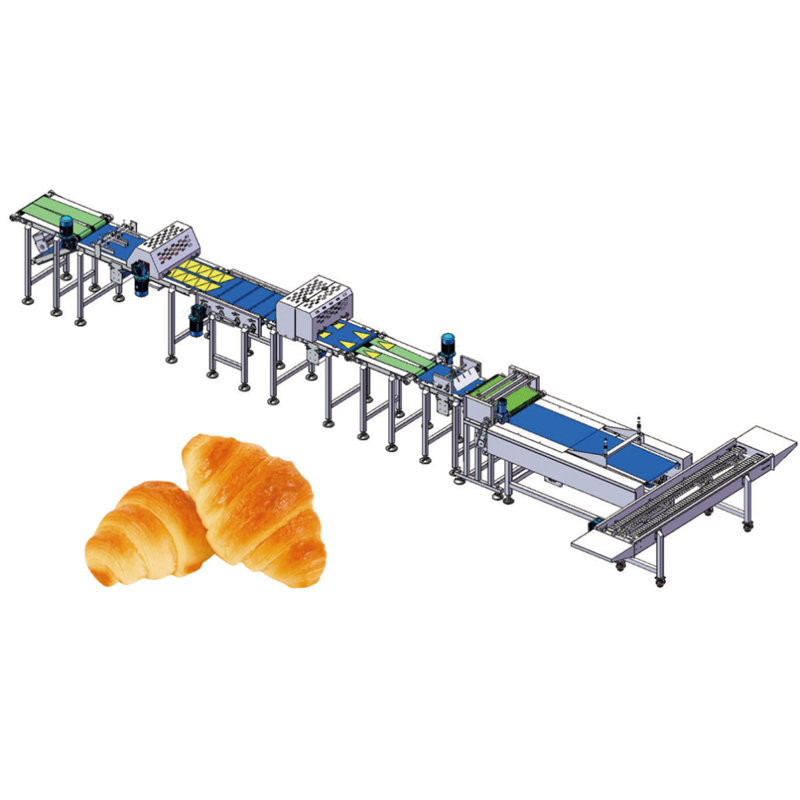
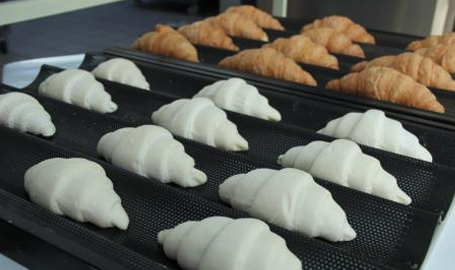
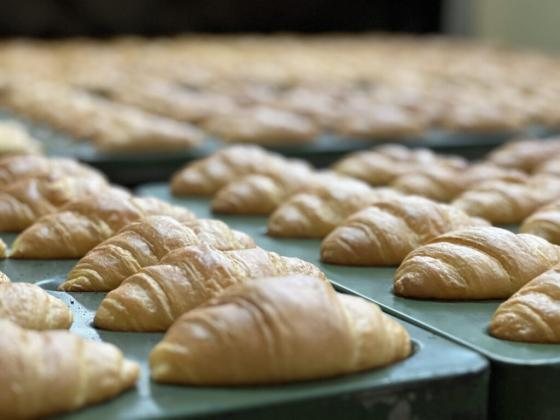
Croissant Production: Dough sheeting is an important stage in croissant manufacturing. Uniform dough sheets help support consistent lamination and subsequent cutting and shaping operations.
Puff Pastry Production: Puff pastry requires controlled dough thickness and proper layering. A suitable sheeter helps standardize the rolling process.
Danish Pastry: Danish dough often requires repeated rolling and folding. Programmable sheeting operations can help improve process repeatability.
Bread and Other Bakery Products: Depending on the dough formulation and machine configuration, dough sheeters can also process dough sheets for selected bread, pizza, and other bakery applications.
4. Technical Parameters of Automatic Dough Sheeters
Machine specifications vary according to the manufacturer, model, and intended application. The following table provides examples of published specifications from different equipment manufacturers for reference.
| Technical Parameter | Example 1: Shenchen SC-KS640G | Example 2: Best Food TY-558P |
| Conveyor belt width | 640 mm | 630 mm |
| Adjustable sheeting thickness | 0.8–60 mm | 1–45 mm |
| Conveyor belt speed | 0–650 mm/s | Not specified |
| Maximum dough roll weight | Not specified | 10 kg |
| Installed power | 1.1 + 0.18 + 0.06 kW | 2 kW |
| Control system | PLC / touchscreen | PLC control panel |
| Machine dimensions | 3,500 × 1,220 × 1,350 mm | 4,100 × 1,150 × 1,300 mm |
| Additional functions | Flour dusting and automatic winding | Automatic sheeting and flour dusting |
5. Key Benefits of Upgrading to an Automatic Dough Sheeter
More Consistent Dough Thickness
Adjustable rollers help produce dough sheets with more uniform thickness. This is important for products such as croissants and puff pastry, where consistent dough processing supports more standardized results.
Improved Production Efficiency
Conveyor-based processing reduces the need for repeated manual rolling and handling. This helps operators manage larger quantities of dough and maintain a smoother production workflow.
Flexible Processing Settings
Different bakery products require different dough thicknesses and processing conditions. Adjustable roller gaps and programmable functions, when available, allow the machine to accommodate different recipes and production requirements.
Better Integration with Bakery Production Lines
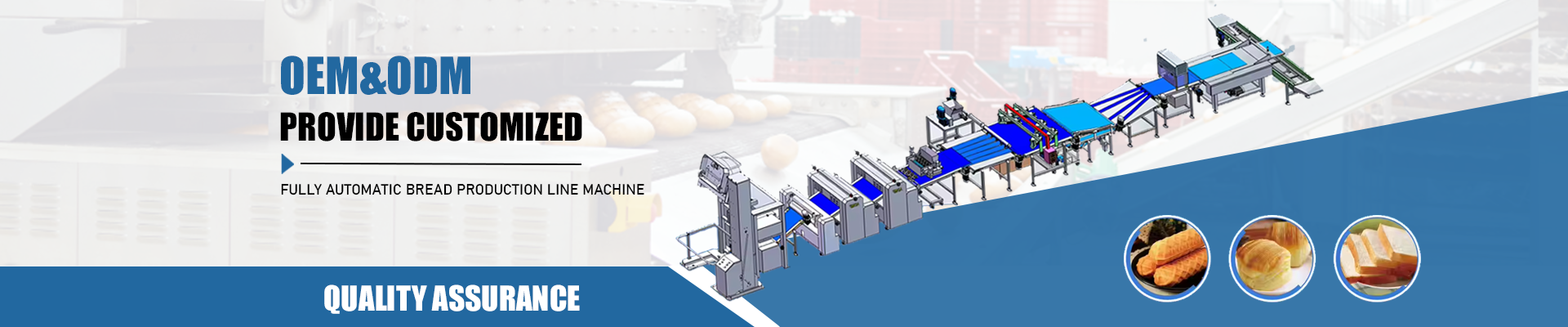
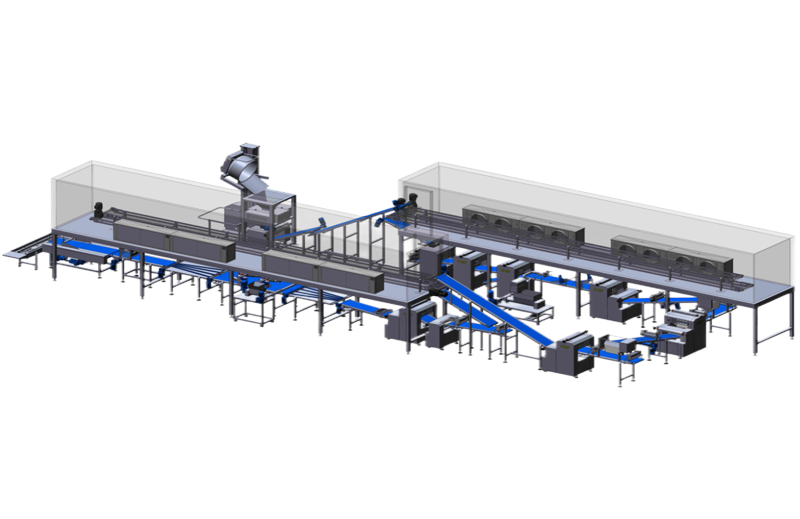
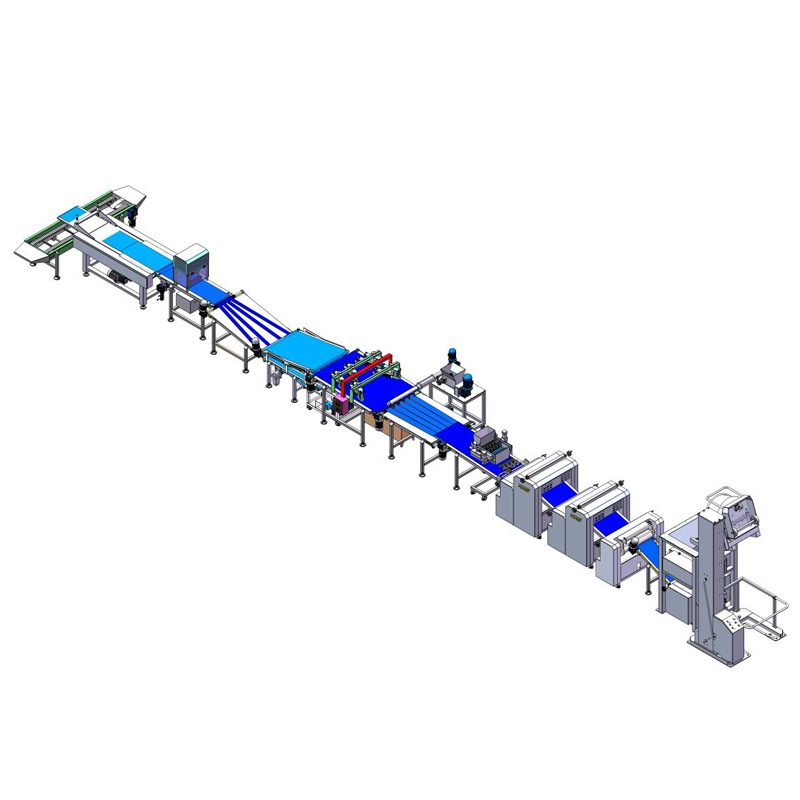
An automatic dough sheeter can operate as an independent machine or be incorporated into a larger bakery production system. For example, it can be connected with dough cutting, filling, folding, and croissant forming equipment.
Reduced Repetitive Manual Work
Mechanical dough rolling helps reduce repetitive physical operations, allowing bakery staff to focus more on production monitoring and quality control.
6. How to Choose the Right Dough Sheeter Machine
Before purchasing an automatic dough sheeter, consider the following factors:
(1)Product type: Identify whether the machine will process croissant dough, puff pastry, Danish pastry, bread dough, or other products.
(2)Working width: Select a suitable conveyor width based on your required dough sheet dimensions.
(3)Thickness range: Confirm the minimum and maximum sheet thickness required by your recipes.
(4)Processing capacity: Evaluate the expected dough volume and production schedule.
(5)Automation level: Decide whether manual adjustment, programmable control, or automatic flour dusting and winding are necessary.
(6)Factory layout: Check the installation space and compatibility with upstream and downstream equipment.
(7)Cleaning and maintenance: Consider accessible components, food-contact materials, and routine maintenance requirements.
Choosing the right configuration helps ensure that the equipment matches your production process rather than simply selecting a machine based on its maximum specifications.
7. Andrew Mafu Machinery: Bakery Equipment and Automation Solutions
Upgrading bakery equipment is an important step toward improving production efficiency and maintaining consistent product quality.
Andrew Mafu Machinery specializes in baking equipment and automated production line solutions for professional bakeries and food manufacturers. We understand that different customers have different requirements for dough processing, product specifications, production capacity, and factory layouts.
Whether you are looking for a standalone Dough Sheeter Machine or planning an integrated croissant and pastry production line, our team can help discuss suitable equipment configurations according to your needs.
Contact Andrew Mafu Machinery to discuss your dough sheeting requirements. Share your product photos, required dough thickness, working width, and target production capacity so that we can help evaluate a suitable solution.
FAQ
1. What products can an Automatic Dough Sheeter process?
Depending on its design and configuration, a dough sheeter can process croissant dough, puff pastry, Danish pastry, pizza dough, and selected bread dough products.
2. Can the dough thickness be adjusted?
Yes. Most dough sheeters provide adjustable roller gaps. The available thickness range depends on the machine model.
3. What is the difference between a dough sheeter and a dough laminating machine?
A dough sheeter primarily rolls dough into sheets of a controlled thickness. A dough laminating system is designed to create multiple layers of dough and fat through repeated folding and rolling operations. Some advanced sheeters can also perform laminating functions.
4. Can an automatic dough sheeter be integrated into a croissant production line?
Yes. Depending on the production layout, it can be integrated with dough cutting, filling, folding, and croissant forming equipment.
5. What information is needed to select a suitable dough sheeter?
You should provide the product type, dough characteristics, required sheet thickness, working width, expected production volume, and available installation space.
6. Is an automatic dough sheeter suitable for industrial bakeries?
Yes. Industrial and commercial models are available with wider conveyor belts, adjustable processing parameters, and automated functions. The appropriate model depends on the required output and production process.
References
1.Shenchen – Automatic Dough Sheeter SC-KS640G
2.Best Food – Automatic Dough Sheeter TY-558
3.LAPPAS – Automatic Dough Sheeter
4.Electrolux Professional – Floor Standing Dough Sheeter
5.Andrew Mafu Machinery – Official Website

E ala i le faafanua