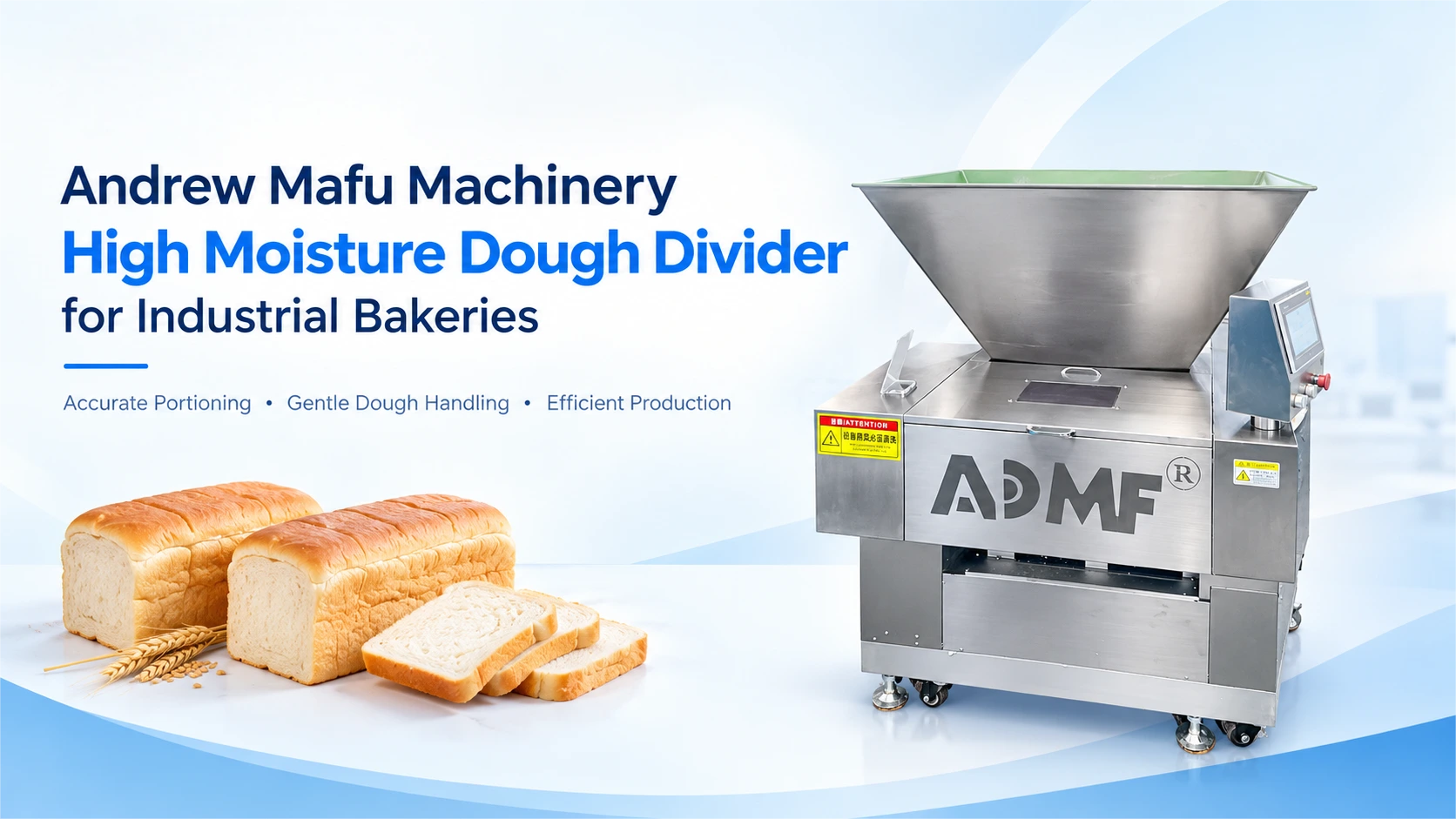
High-moisture dough is widely used in modern bakeries to produce soft bread, toast, sandwich bread, and artisan-style bakery products. However, its sticky texture and delicate structure can make accurate portioning difficult with conventional dough dividing equipment.
In industrial bakeries, inconsistent dough weights can affect product dimensions, baking performance, production efficiency, and material utilization. Manufacturers therefore need equipment that can handle soft dough while maintaining stable portioning and continuous operation.
The High Moisture Dough Divider from Andrew Mafu Makineria is designed to address these challenges. With a published dough hydration range of 65%–85% and a reference dividing capacity of 1,500–6,000 pieces per hour, it provides a solution for industrial bread manufacturers seeking more consistent dough portioning.
Why Does High-Moisture Dough Require Specialized Dividing Equipment?
High-hydration dough contains a relatively high proportion of water compared with flour. This can make the dough softer, stickier, and more sensitive to mechanical handling.
Common production challenges include:
1.Dough adhering to machine surfaces
2.Inconsistent dough portion weights
3.Deformation during dividing and transfer
4.Increased cleaning requirements
5.Difficulty maintaining stable production speeds
Specialized dough dividing equipment helps address these issues through controlled feeding, adjustable dividing parameters, and coordinated output conveying.
The objective is to achieve consistent portions while maintaining suitable dough characteristics for downstream forming and baking.
How Does a High Moisture Dough Divider Work?
A typical dough dividing workflow includes four stages:
1. Dough Feeding: Dough is supplied to the dividing section at a controlled rate.
2. Portioning: The machine divides the dough into individual portions according to the selected operating parameters.
3. Weight Adjustment: The dividing settings are adjusted to match the required product weight and dough characteristics.
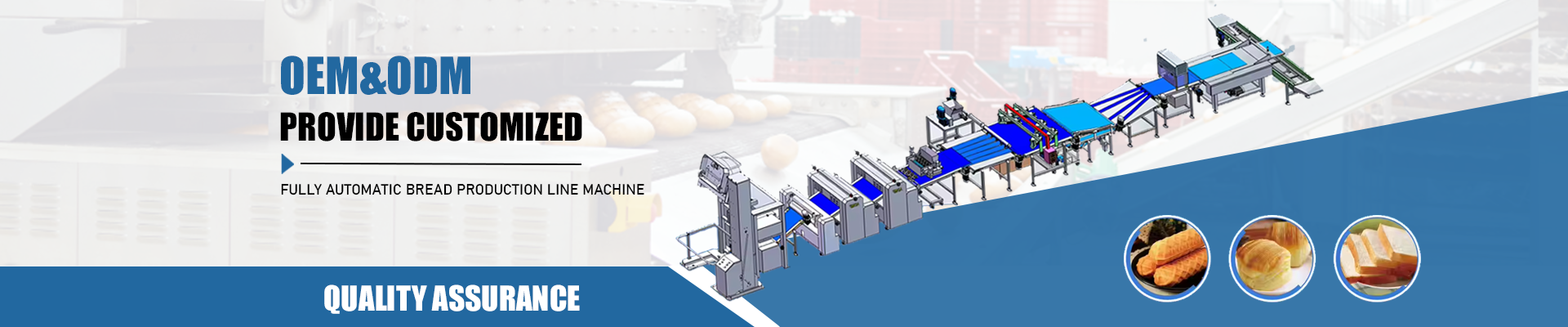
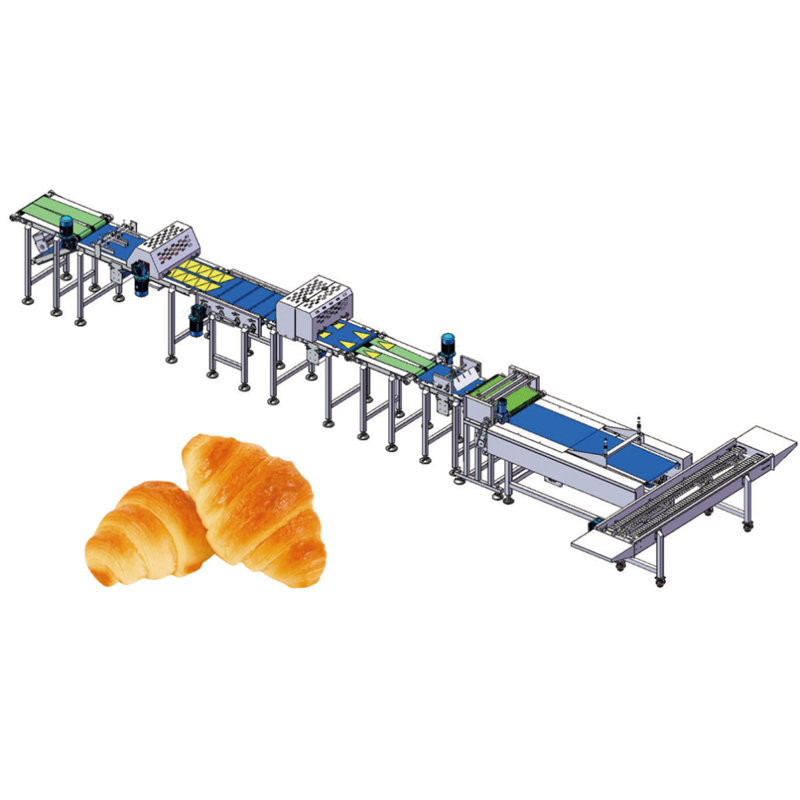
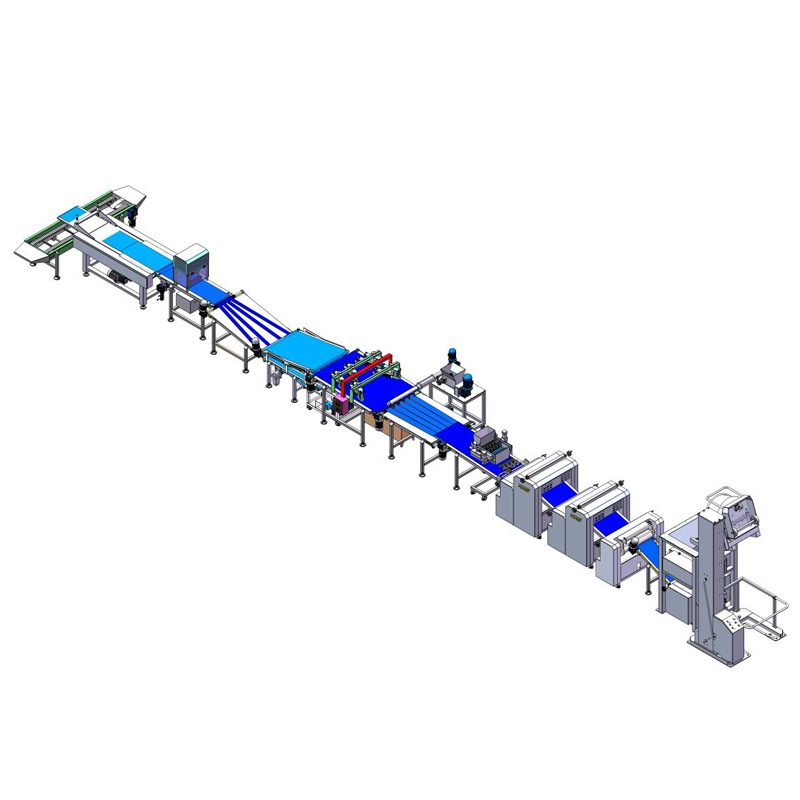
4. Output Conveying: The divided dough pieces are transferred to subsequent equipment, such as rounding, resting, or forming systems.
These stages support continuous processing and reduce repetitive manual handling. Actual dividing performance depends on the dough formulation, temperature, target portion weight, and operating conditions.
Zehaztapen teknikoak
Andrew Mafu Machinery publishes the following technical parameters for its High Moisture Dough Dividing Machine.
| Parametro | Published Specification |
| Dough Hydration Range | 65%–85% |
| Dividing Capacity | 1,500–6,000 pcs/hour |
| Weight Accuracy | ±1.5% |
| Kontrol sistema | PLC + Touchscreen |
| Machine Material | Food-Grade Stainless Steel |
| Power Supply | 380 V / 50 Hz |
| Main Applications | Bread, Toast, High-Moisture Dough |
| Production Mode | Automated Dough Portioning |
| Line Integration | Compatible with downstream bakery processing equipment, subject to configuration |
Key Benefits for Industrial Bakeries
1. Consistent Dough Portioning
Accurate portioning helps reduce weight variation between individual dough pieces. This supports more consistent product dimensions and makes downstream forming and baking easier to control.
2. Improved Production Efficiency
With a published capacity of up to 6,000 pieces per hour, the machine can support high-volume bakery operations. Actual throughput depends on the required portion weight, dough characteristics, and production settings.
3. Reduced Manual Handling
Automated dividing reduces repetitive manual portioning, allowing operators to focus on process monitoring, quality checks, and equipment management.
4. Better Integration with Production Lines
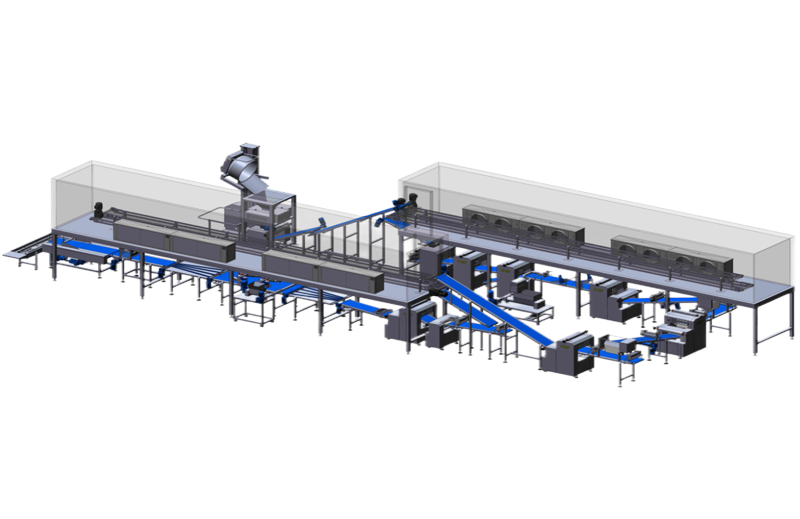
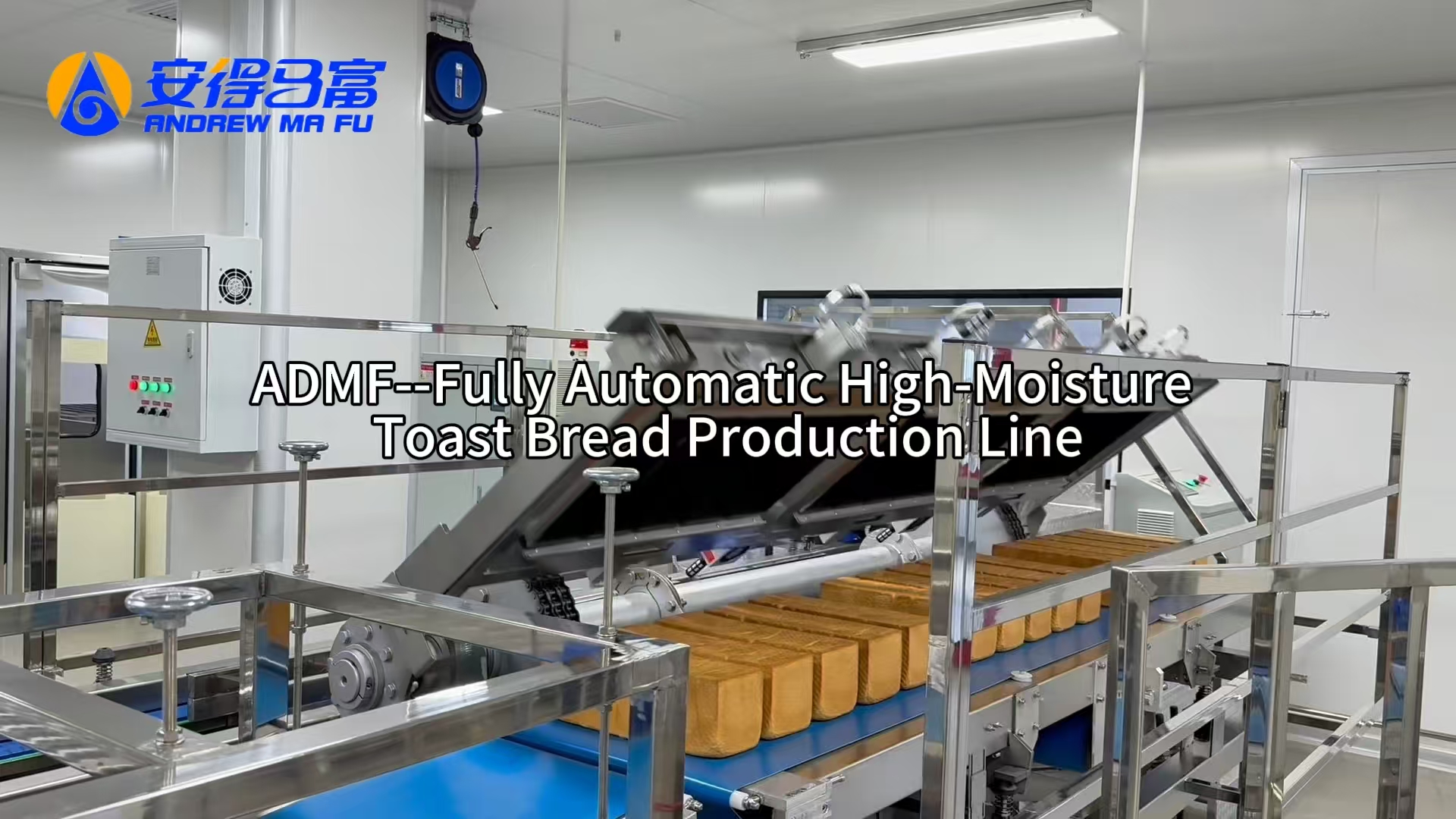
The dough divider can be integrated with dough mixing, resting, sheeting, rounding, and bread forming equipment according to the complete production plan.
A coordinated workflow can help reduce unnecessary transfers and create a more organized production process.
Applications in Modern Bakery Manufacturing
The High Moisture Dough Divider is suitable for industrial bakery applications involving soft and high-hydration dough.
Typical applications include:
1.Soft toast bread
2.Sandwich bread
3.High-moisture bread products
4.Selected artisan-style bread products
5.Industrial bread production lines
Before selecting equipment, manufacturers should evaluate dough hydration, target portion weight, expected output, and downstream forming requirements.
Hygienic Design and Maintenance
Hygienic design is essential for food-processing equipment. The Food and Agriculture Organization of the United Nations (FAO) recommends that food-contact equipment be suitable for its intended use and designed to allow effective cleaning, maintenance, and disinfection.
Food manufacturers should therefore consider appropriate food-contact materials, accessible cleaning areas, equipment inspection, and a regular sanitation schedule. Operators should follow the machine manufacturer’s cleaning and maintenance instructions alongside the applicable food-safety requirements.
How to Choose the Right Dough Divider
Before purchasing a high moisture dough dividing machine, manufacturers should consider:
Dough characteristics: Confirm hydration, stickiness, temperature, and formulation.
Target portion weight: Define the required weight range and acceptable variation.
Production capacity: Match machine throughput to actual hourly demand and downstream equipment.
Production-line integration: Check conveyor heights, transfer arrangements, available floor space, and control-system compatibility.
After-sales support: Evaluate installation guidance, operator training, spare parts, and technical assistance.
A clear understanding of these requirements helps suppliers recommend a configuration suitable for the customer’s application.
Bukaera
The Andrew Mafu Machinery High Moisture Dough Divider is designed to address the portioning challenges associated with soft and sticky dough in industrial bakeries. Its published specifications include a 65%–85% dough hydration range, a capacity of 1,500–6,000 pieces per hour, and stated weight accuracy of ±1.5%.
By combining controlled dough feeding, portioning, adjustment, and conveying, the machine can help manufacturers improve consistency and integrate dough dividing into a coordinated bakery production process.
The most suitable configuration should be selected according to the dough formula, target weight, required output, and downstream processing equipment.
FAQ
1. What hydration range does Andrew Mafu Machinery specify?
The published specification is 65%–85% hydration. Actual performance depends on the dough formulation and operating conditions.
2. What is the machine’s dividing capacity?
Andrew Mafu Machinery publishes a capacity of 1,500–6,000 pieces per hour. The achievable rate depends on product weight and production settings.
3. What is the stated weight accuracy?
The published specification is ±1.5%. Buyers should confirm the applicable test conditions and acceptance criteria with the manufacturer.
4. Can the machine be integrated into an automatic bread production line?
Yes. It can be configured to connect with suitable downstream equipment, such as rounding, resting, and forming systems.
5. What should buyers provide when requesting a quotation?
Provide the dough recipe or hydration level, target portion weight, expected production capacity, product type, factory layout, and any existing equipment details.
References
1.Andrew Mafu Machinery – High-Moisture Dough Dividing Machine
https://www.andrewmafugroup.com/news/high-moisture-dough-dividing-machine/
2.Zelaieta – TXA-ROLL-TOP 1000 High-Hydration Dough Divider
https://www.zelaieta.com/es/divisora-masas-fermentadas-txa-roll-top-1000.php
3.FAO – General Principles of Food Hygiene: Equipment and Facilities
https://www.fao.org/4/w6419e/w6419e03.htm
4.FAO – Good Hygiene Practices and HACCP Toolbox: Facility and Equipment Design
https://www.fao.org/good-hygiene-practices-haccp-toolbox/ghp/establishment-design-of-facilities-and-equipment/en

Admf arabera