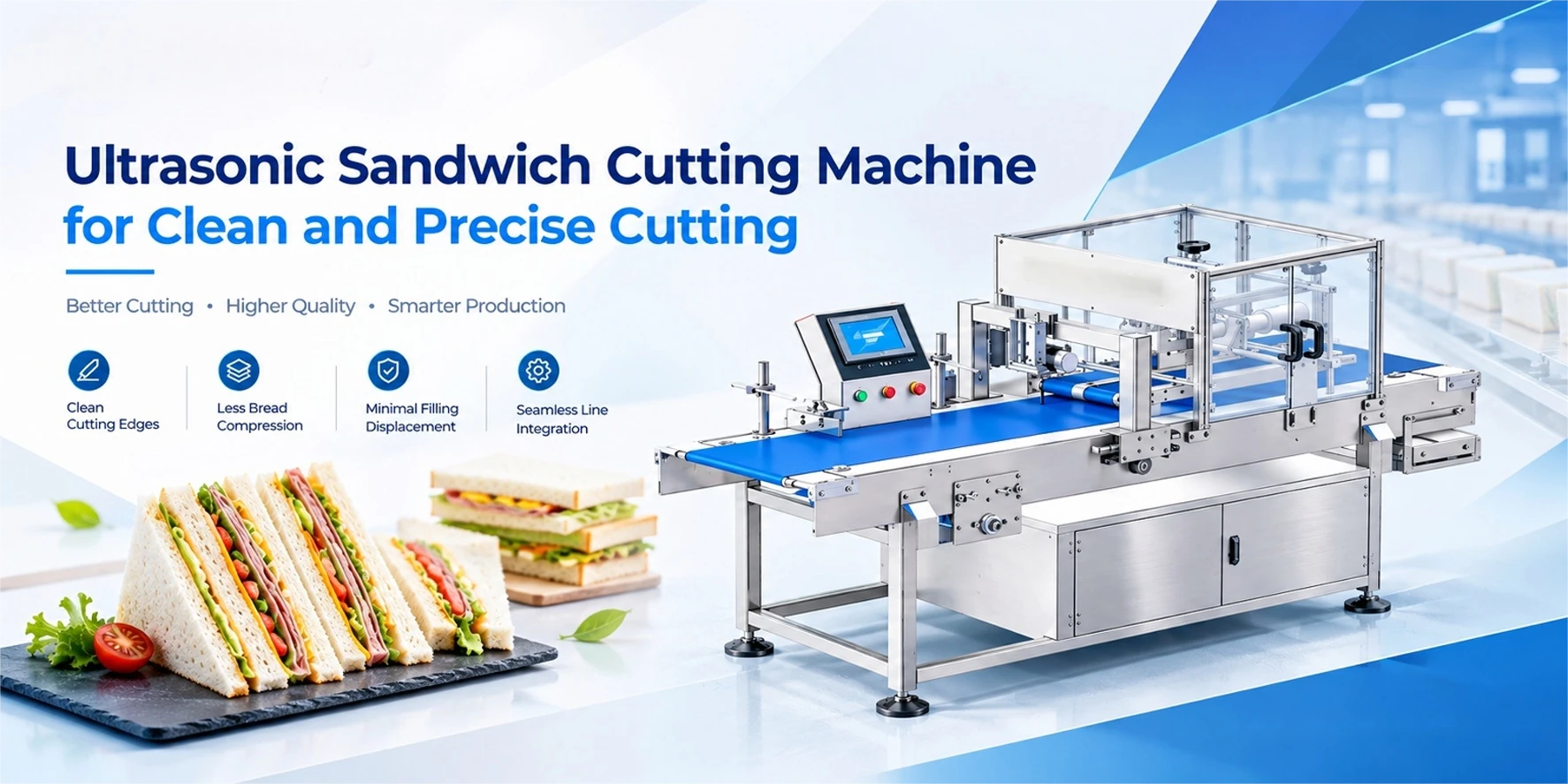
Sandwiches are widely produced for supermarkets, convenience stores, cafés, central kitchens, and ready-to-eat food manufacturers. As production volumes increase, maintaining consistent cutting quality becomes an important challenge.
Conventional blades can compress soft bread, drag fillings across cut surfaces, or deform products containing cheese, vegetables, meat, sauces, and multiple bread layers. These problems may affect product appearance, increase waste, and create additional cleaning requirements.
An Ultrasonic Sandwich Cutting Machine offers an alternative cutting solution by combining high-frequency blade vibration with controlled product positioning. This technology can reduce cutting resistance and help preserve sandwich structure, making it suitable for many industrial sandwich applications.
For manufacturers seeking consistent portions and attractive cut surfaces, ultrasonic cutting can be an important component of an automated sandwich production line.
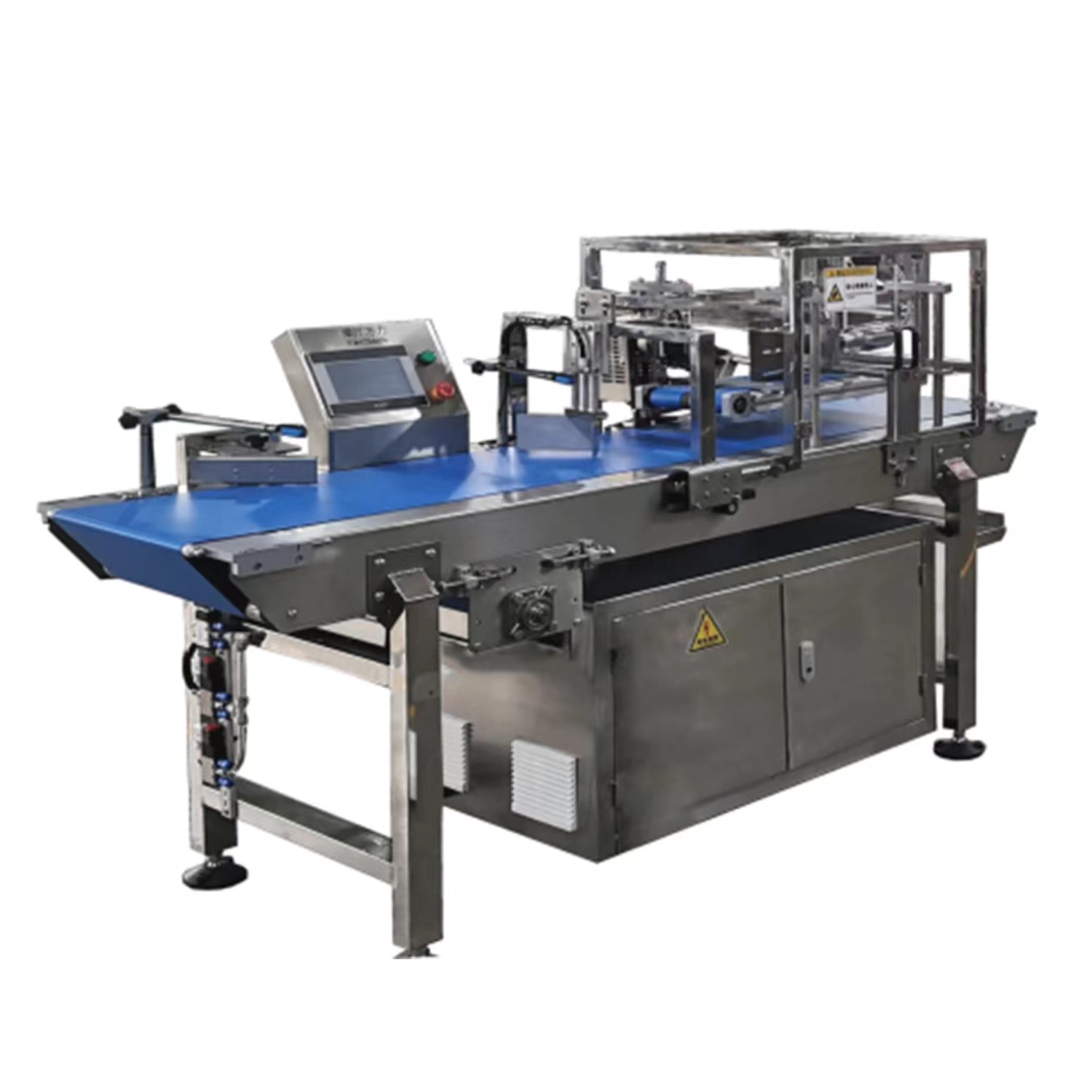
How Does an Ultrasonic Sandwich Cutting Machine Work?
A typical ultrasonic cutting system consists of an ultrasonic generator, transducer, vibration-transmitting components, cutting blade, and control system.
The generator supplies a high-frequency electrical signal. The transducer converts this signal into mechanical vibration, which is transferred to the cutting blade.
During operation, the vibrating blade passes through the sandwich with reduced friction and cutting resistance. This can help minimize bread compression, filling displacement, and ingredient smearing compared with conventional cutting under suitable operating conditions.
Industrial sandwich cutting systems can be integrated with conveyors and product-guiding mechanisms to maintain positioning and repeatable cutting patterns. Straight, diagonal, half-cut, triangular, and other formats may be possible depending on the machine configuration and cutting fixtures.
Why Choose Ultrasonic Sandwich Cutting?
1. Cleaner Cutting Surfaces
Ultrasonic vibration can reduce the tendency of certain sticky ingredients to adhere to the blade. This helps produce cleaner edges and a clearer view of the sandwich’s internal layers.
The degree of improvement depends on the bread texture, filling composition, product temperature, blade design, and cutting settings.
2. Reduced Bread Compression
Soft sandwich bread can be easily compressed by conventional cutting forces. Ultrasonic cutting reduces the force required for separation in suitable applications, helping preserve the original product shape.
3. Better Filling Presentation
Sandwiches containing mayonnaise, cheese, cooked meat, vegetables, or other fillings can be challenging to cut cleanly. Reduced cutting resistance can help minimize filling squeeze-out and improve the appearance of the finished product.
4. Consistent Portioning
When the cutting blade works together with product guides and a controlled conveyor, manufacturers can achieve more repeatable cutting positions and portion dimensions.
5. Production-Line Integration
An ultrasonic cutter can be installed after sandwich assembly and before inspection or packaging. Integration with upstream conveyors helps reduce manual handling and supports a more continuous production process.
Reference Technical Parameters
The following table provides general technical reference values for industrial ultrasonic sandwich cutting systems. These are not confirmed specifications for a particular Andrew Mafu Machinery model. Final parameters must be verified against the selected machine and product samples.
| Parametro | Technical Reference |
| Cutting Technology | Ultrasonic High-Frequency Vibration |
| Operating Frequency | Around 20 kHz in some industrial sandwich systems |
| Cutting Blade | Product-specific ultrasonic blade |
| Blade Material | Selected according to system design and food-contact requirements |
| Cutting Formats | Straight, diagonal, half-cut, triangular, or customized |
| Product Positioning | Guides, fixtures, or sensor-assisted positioning |
| Conveyor System | Continuous conveyor, depending on configuration |
| Cutting Speed | Adjustable according to product and machine settings |
| Kontrol sistema | Machine-specific control interface |
| Line Integration | Sandwich assembly, conveying, inspection, and packaging |
| Produkzio gaitasuna | Determined by product dimensions, cut pattern, and line speed |
| Cleaning Requirements | Established according to product-contact design and operating instructions |
For reference, TELSONIC describes a 20 kHz ultrasonic sandwich-cutting application designed to reduce friction, maintain neat cut surfaces, and minimize product residue on the blade. Its application information also highlights the importance of maintaining the sandwich layers without crushing them.
Applications in Industrial Food Production
An ultrasonic sandwich cutting system can be suitable for:
1.Club sandwiches
2.Triangle sandwiches
3.Square and rectangular sandwiches
4.Multi-layer sandwiches
5.Cheese and meat sandwiches
6.Vegetable-filled sandwiches
7.Selected wraps and filled bread products
The correct cutting configuration depends on the size, height, structure, and filling distribution of each product. Testing with actual production samples is recommended before confirming the final machine setup.
Hygienic Design and Maintenance
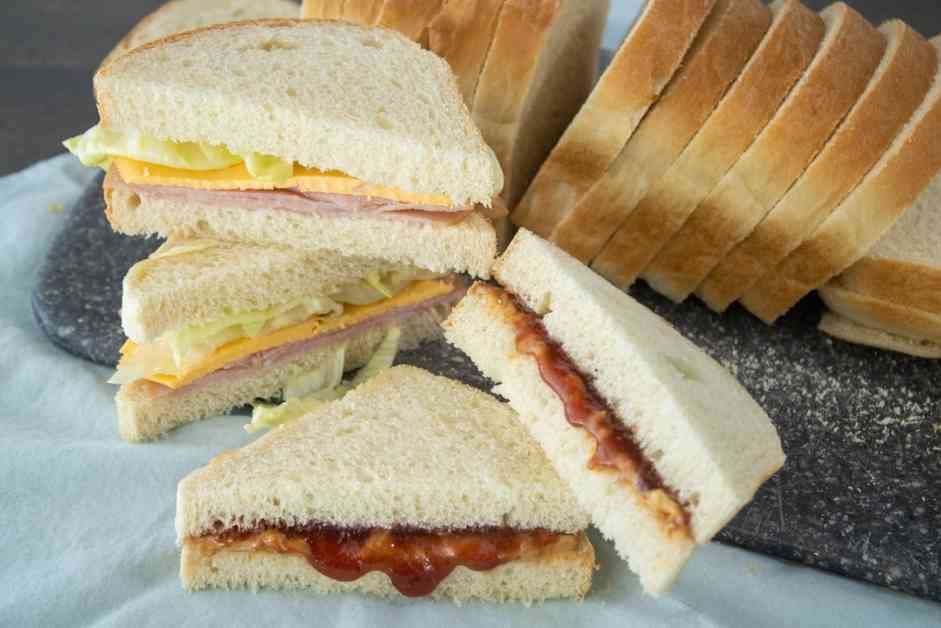
Hygiene is an essential consideration for ready-to-eat food manufacturing. Buyers should evaluate the accessibility of food-contact surfaces, the ease of removing residues, blade-cleaning procedures, protective guards, and the suitability of materials for food contact.
Routine maintenance should follow the equipment manufacturer’s instructions. Operators should inspect the blade, verify system settings, check product-guiding components, and clean the machine according to the applicable sanitation procedure.
Ultrasonic cutting does not eliminate the need for cleaning or food-safety controls. Instead, appropriate machine design and operating procedures help maintain consistent production and hygienic conditions.
How to Select the Right Ultrasonic Sandwich Cutting Machine
Before purchasing equipment, manufacturers should evaluate the following factors:
Product specifications: Confirm sandwich dimensions, height, bread texture, and filling ingredients.
Cutting requirements: Define the required portion shape, cut angle, number of cuts, and acceptable edge quality.
Production capacity: Assess the target output and how the cutter will synchronize with upstream assembly and downstream packaging.
Cleaning and maintenance: Confirm blade access, guarding, cleaning procedures, and replacement requirements.
Integration: Review conveyor height, available floor space, product spacing, and control-system compatibility.
A supplier can then recommend a suitable configuration based on the actual manufacturing requirements.
Bukaera
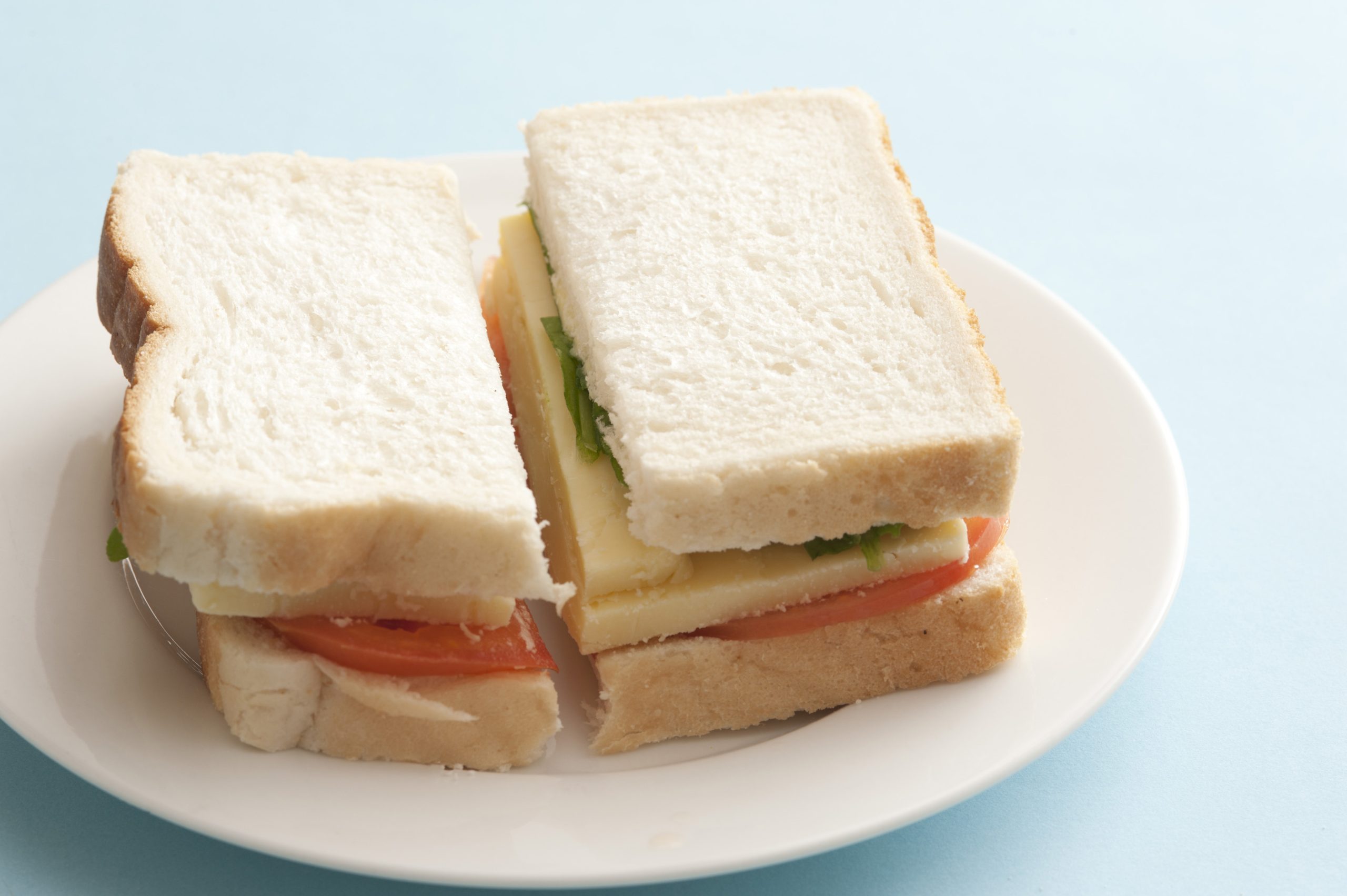
An Ultrasonic Sandwich Cutting Machine helps manufacturers improve cutting quality by reducing friction and limiting unnecessary compression in suitable food products.
When combined with accurate product positioning and controlled conveying, ultrasonic cutting can help produce clean edges, preserve filling presentation, and maintain consistent portions. These benefits make the technology valuable for industrial sandwich production and other selected ready-to-eat food applications.
Andrew Mafu Machinery can evaluate sandwich cutting requirements as part of a complete automated production solution. The appropriate configuration should be determined according to product samples, required cutting patterns, production capacity, and the surrounding production-line layout.
FAQ
1. What is an ultrasonic sandwich cutting machine?
It is a food-cutting system that uses high-frequency blade vibration to cut sandwiches with reduced friction and cutting resistance.
2. Why use ultrasonic cutting instead of a conventional blade?
Ultrasonic cutting can reduce bread compression and filling displacement while producing cleaner cut surfaces in suitable sandwich applications.
3. Can the machine cut sandwiches into triangles?
Triangle cutting may be available with an appropriate machine configuration, product guide, and cutting fixture. The required format should be confirmed before ordering.
4. Can the machine handle sandwiches with different fillings?
Many combinations of bread, cheese, meat, vegetables, and sauces can be evaluated. Cutting performance depends on product structure, temperature, filling distribution, and machine settings.
5. Can an ultrasonic cutter be integrated into an automatic sandwich production line?
Yes. Depending on the design, it can be integrated after sandwich assembly and before inspection, sorting, or packaging.
References
1.TELSONIC – Ultrasonic Generators to Cut Foods with Ultrasound
https://www.telsonic.com/en/application-finder/ultrasonic-generators-to-cut-foods-with-ultrasound/
2.ScienceDirect – Ultrasonic Cutting of Foods: Effects of Excitation Magnitude and Cutting Velocity on the Reduction of Cutting Work
https://www.sciencedirect.com/science/article/pii/S1466856406000439
3.GDA – Ultrasonic Sandwich Cutting System
https://www.gda-automation.com/en/product/food-cutting/fc_1ax.html
4.U.S. Food & Drug Administration – Food Code
https://www.fda.gov/food/fda-food-code/food-code-2022

Admf arabera