Layered bread is valued for its distinctive texture, rich structure and clearly defined internal layers. However, producing multi-layer bread consistently at industrial scale requires much more than simply pressing and shaping dough. The production process must carefully control dough thickness, shortening distribution, folding, rolling, layer formation and final shaping.
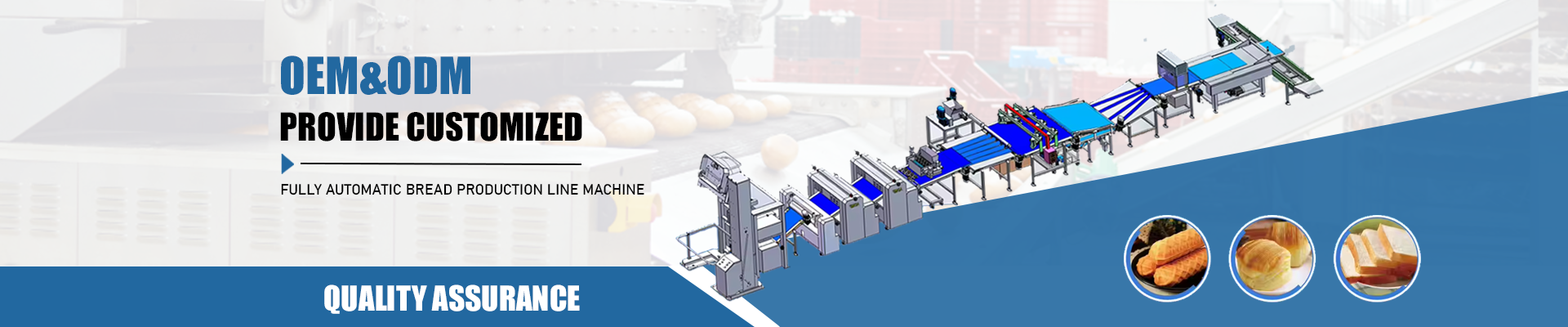
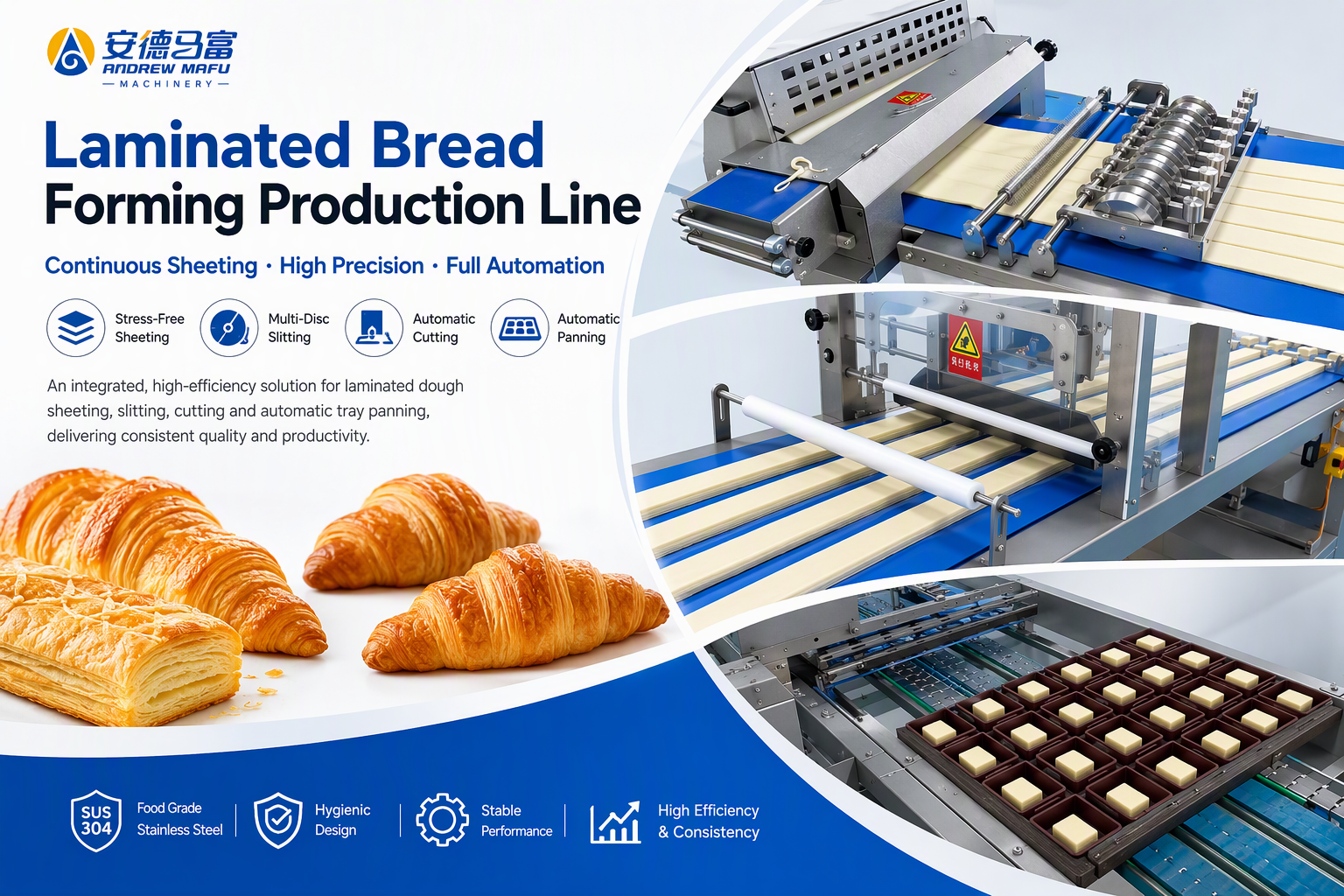
To address these requirements, Andrew Mafu Machinery (ADMF) has developed automated bakery equipment designed for continuous layered dough processing. The latest ADMF production-line demonstration shows how multiple forming processes can be connected into an efficient workflow for manufacturers seeking stable quality and higher production efficiency.
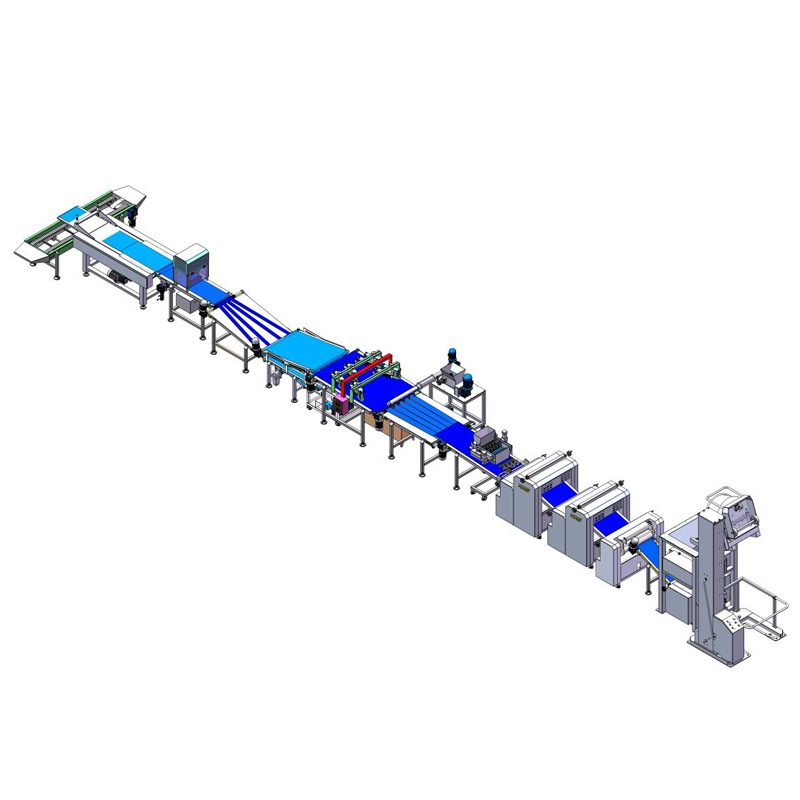
The production line featured in the video demonstrates the engineering approach behind ADMF’s Layered Bread Production Line, with particular attention to dough processing, shortening application, folding and layer formation.
Why Layered Bread Requires Specialized Production Equipment
The dough needs to be gradually reduced to the required thickness while maintaining a stable structure. Shortening or fat must then be distributed evenly within the dough before the dough is folded and rolled repeatedly to create multiple layers.
If these processes are performed manually, variations in thickness, shortening distribution and folding position can affect the final product.
For industrial bakeries, the main challenges include:
(1)Maintaining consistent dough thickness
(2)Achieving uniform shortening distribution
(3)Preventing deformation during folding
(4)Controlling the number and structure of layers
(5)Maintaining stable production speed
(6)Producing consistent product dimensions
(7)Reducing labor-intensive manual operations
An automated production system allows these processes to be coordinated more precisely.
How the ADMF Layered Bread Production Line Works
The exact configuration of a layered bread production line can be customized according to the product recipe and factory requirements. A typical ADMF process can include several key stages.
1. Dough Feeding and Initial Processing
Prepared dough is transferred into the production system and guided toward the first forming section.
The dough must enter the rollers in a stable and controlled manner. Consistent feeding is important because variations at this stage can affect all subsequent processes.
The ADMF system uses a modular conveying and forming concept so that the dough can move continuously through multiple processing stages.
2. Dough Rolling and Thickness Control
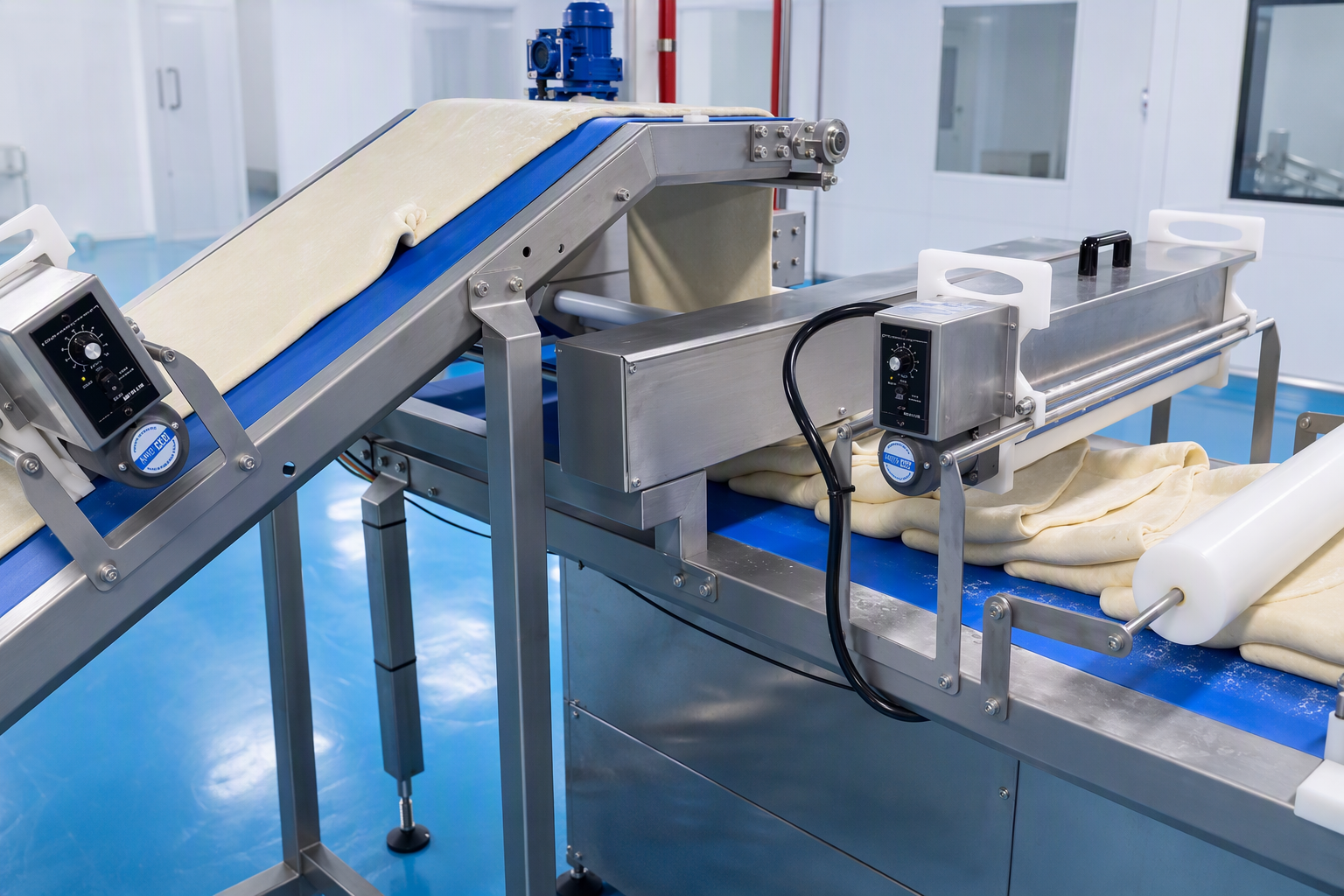
The dough is progressively rolled to achieve the required thickness.
Instead of applying excessive pressure at a single point, the production process can use multiple rolling stages. This gradual approach helps achieve a more uniform dough sheet while maintaining production stability.
According to ADMF’s technical documentation, its dough-processing equipment can combine rolling and pressing operations to obtain a flatter and more uniform dough sheet before subsequent lamination and folding processes.
3. Controlled Shortening Application
One of the most important stages in layered bread production is the application of shortening.
ADMF’s production technology includes a dedicated shortening extrusion system designed to distribute shortening within the dough structure.
The shortening is introduced into the dough and subsequently enclosed through controlled folding operations.
This is important because the distribution of shortening directly influences the separation and definition of the finished layers.
A stable shortening application process can help manufacturers achieve:
(1)More uniform internal layers
(2)Consistent texture
(3)Better control of product structure
(4)Stable processing during subsequent folding
(5)Reduced variation between products
4. Dough Folding Creates the Layer Structure
After shortening is introduced, the dough passes through a folding process.
This is the key stage that differentiates layered bread production from conventional bread forming.
The folding system repeatedly folds the dough while maintaining controlled movement and alignment. ADMF’s technical documentation describes a folding machine designed to separate the shortening-containing dough structure layer by layer, with the number of layers adjustable according to production requirements.
This allows manufacturers to adjust the production process according to the desired product structure.
Depending on the recipe, product thickness and required texture, the number of folds and subsequent rolling operations can be configured accordingly.
5. Rolling and Pressing for Stable Dough Structure
Following folding, the dough may pass through additional rolling and pressing stages.
The purpose is not simply to make the dough thinner. It also helps combine the dough structure, remove unwanted air pockets and establish a consistent sheet before the final forming process.
ADMF’s rolling-and-pressing equipment combines two functions in one processing stage, helping produce a flat and more uniform dough sheet while maintaining the laminated structure.
This type of synchronized processing is especially important for industrial bakeries because inconsistent dough thickness can lead to differences in baking performance and final product appearance.
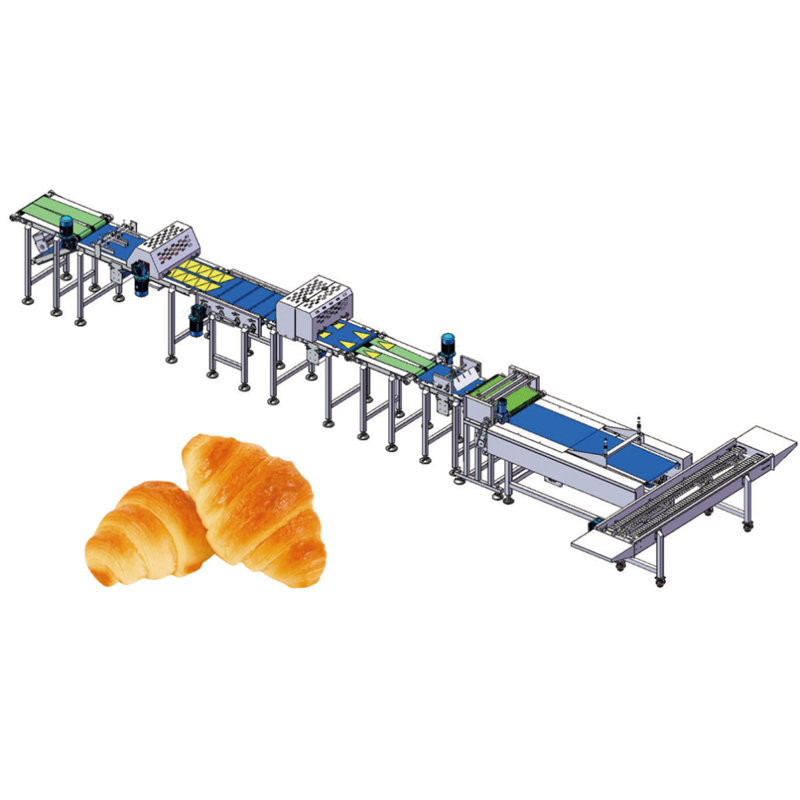
6. Separation, Cutting and Final Forming
After the desired layered structure has been created, the dough can enter the separation and cutting stages.
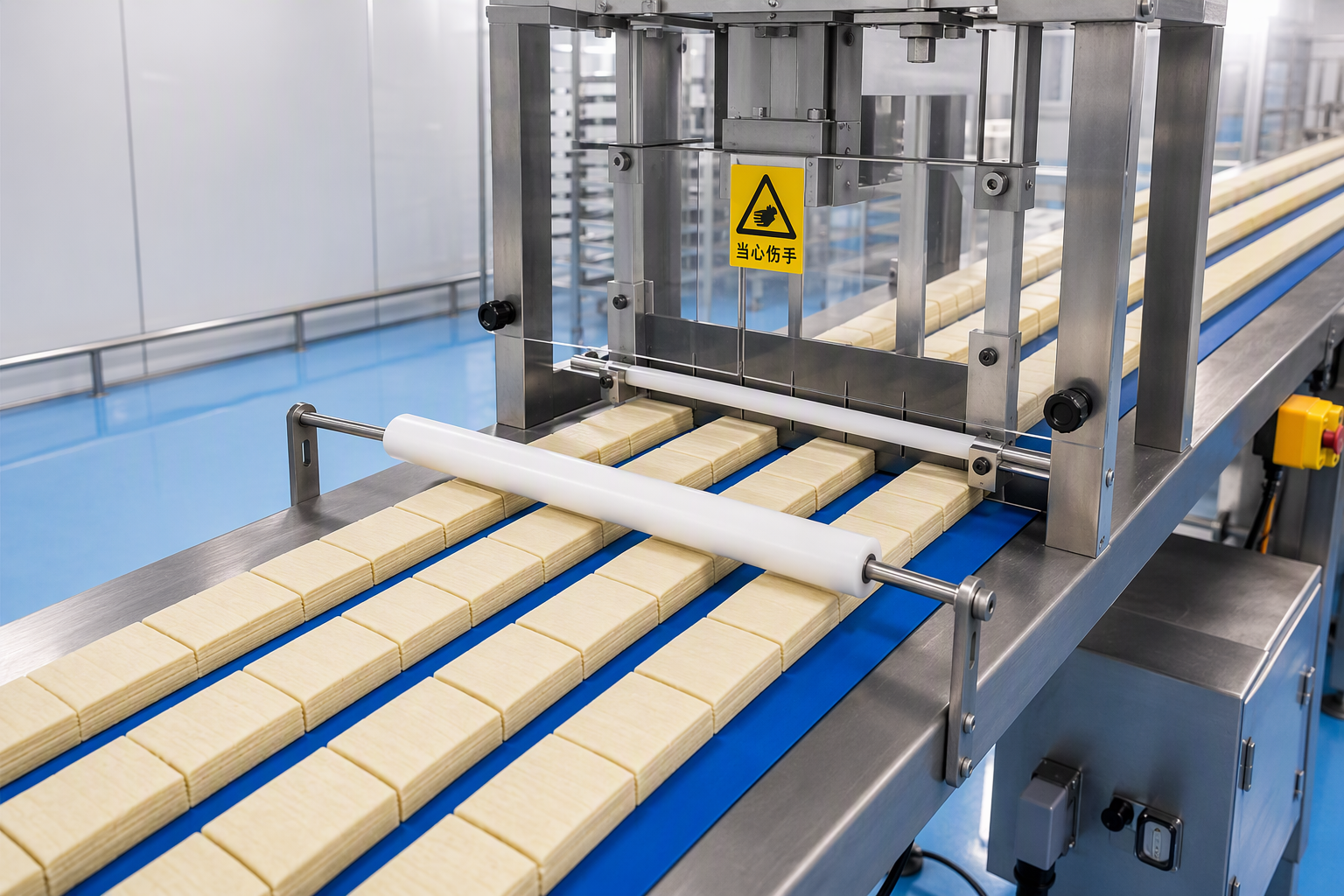
Depending on the product design, the dough can be divided into multiple strips before being cut into individual pieces.
The cutting system can be configured according to the required product dimensions, allowing manufacturers to produce different shapes and sizes on the same production platform.
For industrial production, automatic cutting and forming offer significant advantages compared with manual processing:
Production Requirement
Manual Processing
Automated ADMF System
Dough thickness
Operator dependent
Controlled mechanically
Shortening distribution
Manual
Automated
Folding
Manual
Automated
Layer consistency
Variable
More stable
Cutting
Manual
Automatic
Product dimensions
Operator dependent
Adjustable
Production rhythm
Variable
Continuous
Labor requirement
High
Reduced
Technical Overview of Layered Bread Production
The following parameters are representative of ADMF’s layered dough processing technology. Final specifications should be confirmed according to the customer’s product recipe, capacity and factory layout.
The final machine configuration, capacity and dimensions depend on product weight, dough formulation, number of layers, dough sheet width, cutting size and required production output.
From Layer Formation to Automated Bakery Production
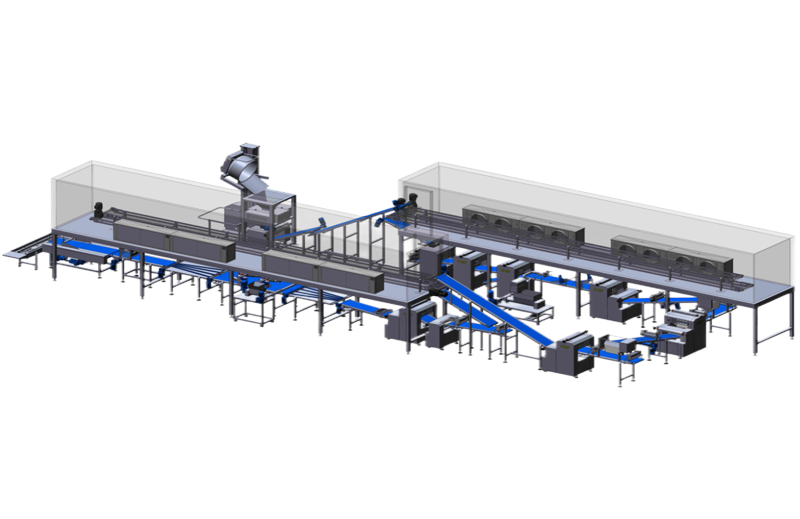
One of the key advantages of ADMF’s approach is that layered dough processing does not have to remain an isolated machine operation.
The forming system can be integrated into a broader bakery production line.
This modular structure allows bakery manufacturers to select the appropriate level of automation according to their production requirements.
For example, a customer may initially automate dough forming and cutting while retaining existing baking equipment. As production demand increases, additional equipment such as proofing, baking, cooling and packaging systems can be integrated.
This approach can help bakeries gradually move from semi-automatic production toward a more complete automated production system.
Engineering Advantages of an Automated Layered Bread Production Line
1.Consistent Layer Formation
The folding and rolling processes are mechanically controlled, helping maintain more consistent dough processing from batch to batch.
2.Improved Production Efficiency
Continuous conveying and automated forming reduce repetitive manual operations and allow production to operate at a stable rhythm.
3.Flexible Product Configuration
The number of layers, dough thickness, cutting dimensions and production layout can be adjusted according to the customer’s product requirements.
4.Reduced Labor Dependency
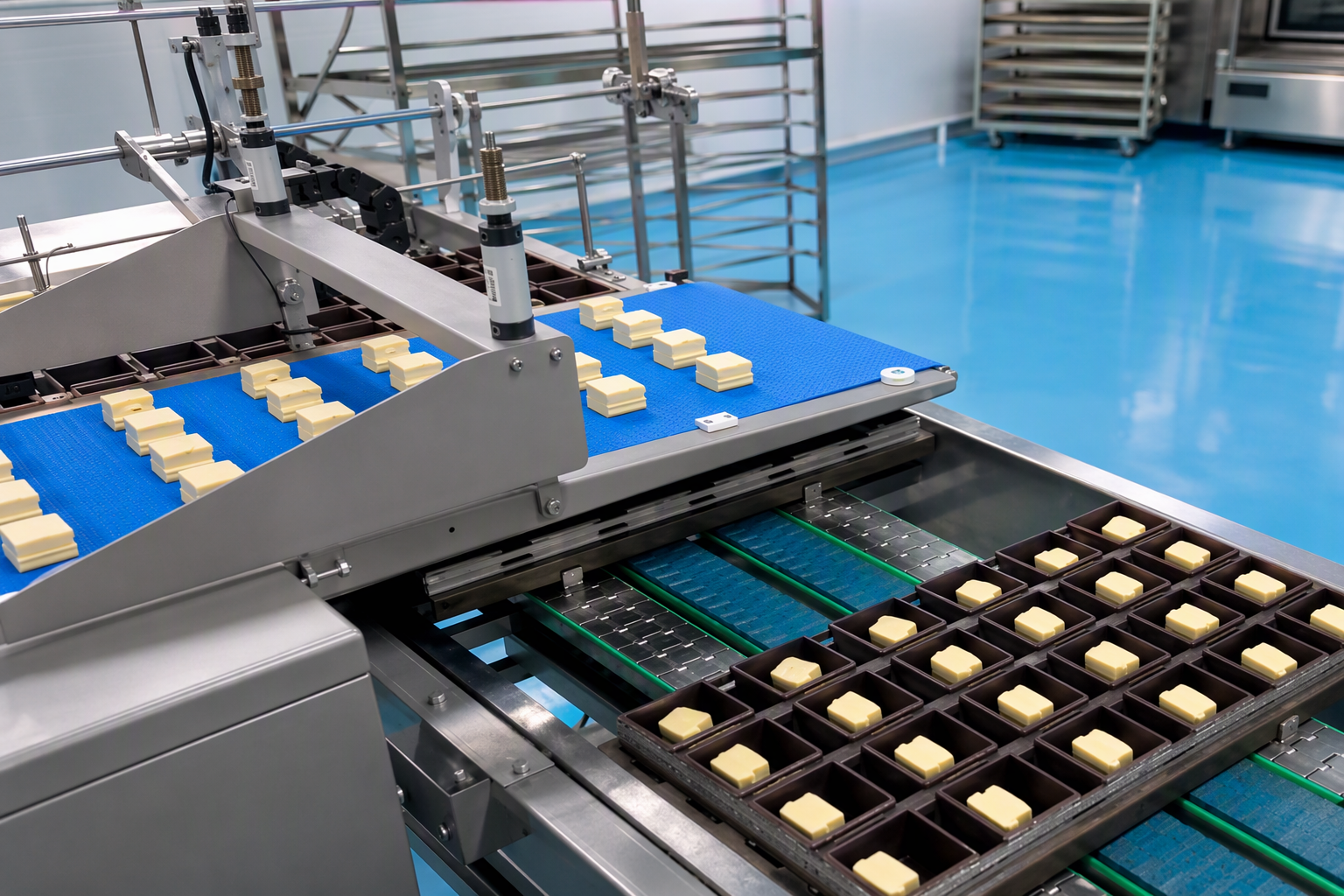
Automating rolling, folding, cutting and tray arrangement can significantly reduce the amount of repetitive manual work required on the production floor.
5.Better Integration
The modular design makes it possible to connect the layered bread forming process with downstream proofing, baking, cooling and packaging equipment.
Designed for Industrial Bakery Customization
Every layered bread product is different.
A customer may require a specific dough weight, product size, number of layers, shortening ratio or final shape. Factory conditions can also vary considerably.
For this reason, a successful Layered Bread Production Line should not simply be selected according to machine capacity.
Important engineering information includes:
(1)Product type and final shape
(2)Dough weight per piece
(3)Dough hydration and formulation
(4)Required number of layers
(5)Dough sheet thickness
(6)Shortening or fat type
(7)Required production capacity
(8)Tray dimensions
(9)Factory floor space
(10)Existing upstream and downstream equipment
Based on these parameters, Andrew Mafu Machinery can develop a customized production configuration and recommend the appropriate processing modules.
ADMF’s broader product portfolio includes automatic bread production lines, croissant production lines, sandwich bread production lines, butterfly puff production lines and other bakery equipment.
ADMF: Advancing Automation for Layered Bakery Products
The development of layered bakery products demonstrates an important trend in modern bakery manufacturing: automation is moving beyond simple conveying and handling.
For products with complex internal structures, automation must control the dough itself.
Rolling pressure, dough thickness, shortening distribution, folding position, conveying speed and cutting accuracy all influence the final product.
The ADMF layered bread production concept focuses on coordinating these individual processes into one continuous production workflow.
For bakery manufacturers looking to increase output while maintaining product consistency, this approach provides a practical pathway toward industrial-scale layered bread production.
FAQ – Layered Bread Production Line
1. What is a layered bread production line?
A layered bread production line is an automated system designed to process dough through rolling, shortening application, folding, laminating, cutting and forming stages to create bread with a multi-layer structure.
2. What products can be produced?
The system can be customized for different layered bread and laminated dough products. Final applications depend on the dough formulation, product dimensions and required structure.
3. Can the number of layers be adjusted?
Yes. The folding and laminating configuration can be adjusted according to the desired product structure and recipe requirements.
4. Can the production line be customized?
Yes. Andrew Mafu Machinery designs bakery production systems according to product specifications, production capacity, factory layout and existing equipment.
5. Can the layered bread line connect to an existing oven?
Yes. The forming section can be designed as a modular system and can be connected with downstream proofing, baking, cooling and packaging equipment where technically suitable.
6. What information is needed for a quotation?
Customers should provide the product photo or sample, dough weight, product dimensions, desired number of layers, production capacity, tray size, dough formulation and factory layout whenever available.
Conclusion
The ADMF Layered Bread Production Line demonstrates how automated dough processing can transform the production of multi-layer bakery products.
From controlled dough rolling and shortening extrusion to folding, laminating, cutting and tray arrangement, each stage contributes to the consistency of the final product.
For industrial bakeries, the objective is not simply to increase production speed. It is to achieve a repeatable process in which layer structure, product dimensions, production rhythm and product quality remain stable throughout continuous operation.
With its focus on customized bakery automation and modular production-line design, Andrew Mafu Machinery provides solutions for manufacturers looking to scale layered bread production while reducing manual processing and improving production consistency.