Automatic Bread Production Line for Efficient Industrial Bakery Manufacturing
2026-10-17
As demand for bread products continues to grow, industrial bakeries need efficient production systems that deliver consistent quality while controlling labor and operating costs. From sandwich bread and toast to soft bread and other commercial bakery products, manufacturers must balance production capacity, product consistency, and manufacturing efficiency.
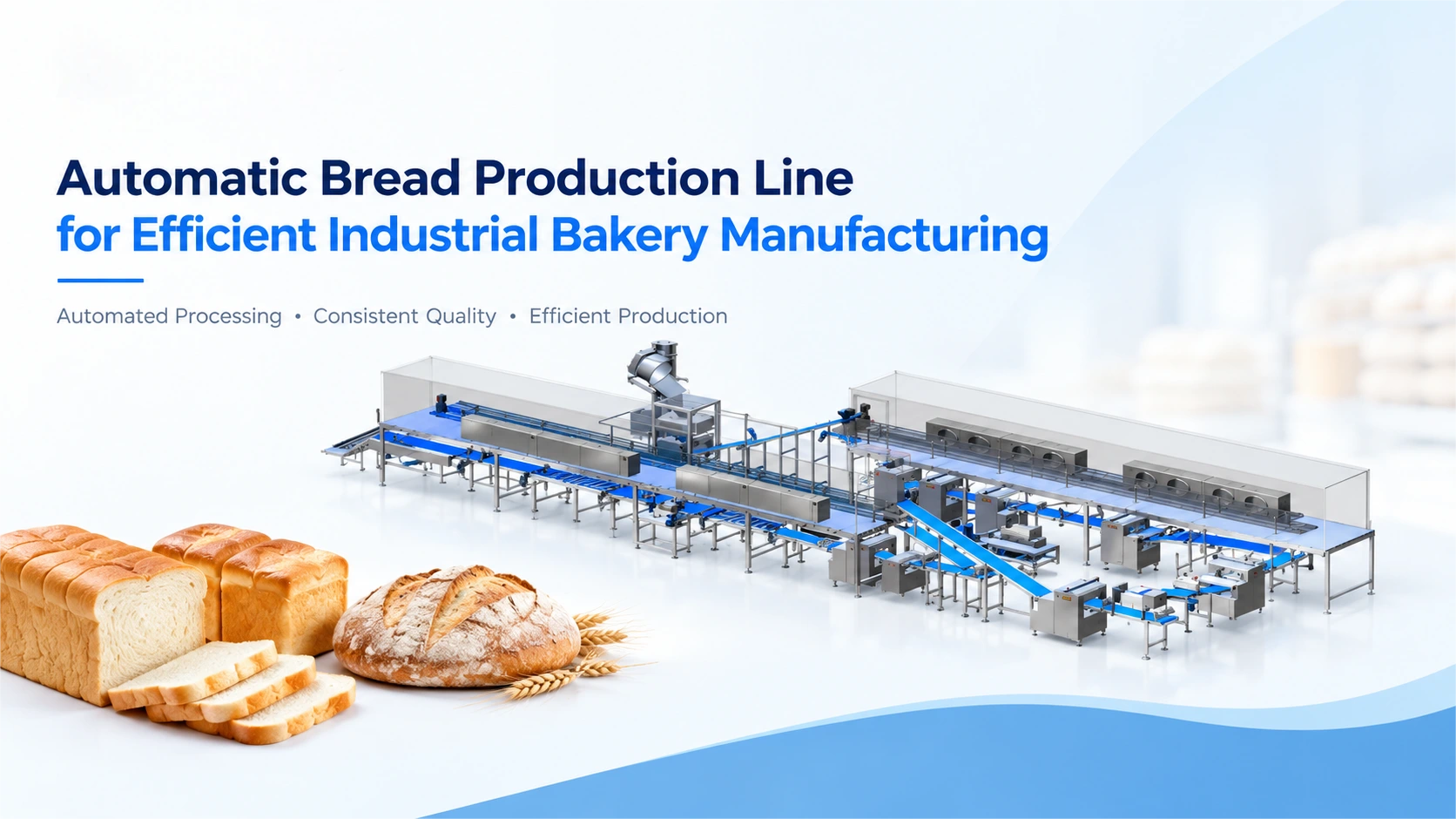
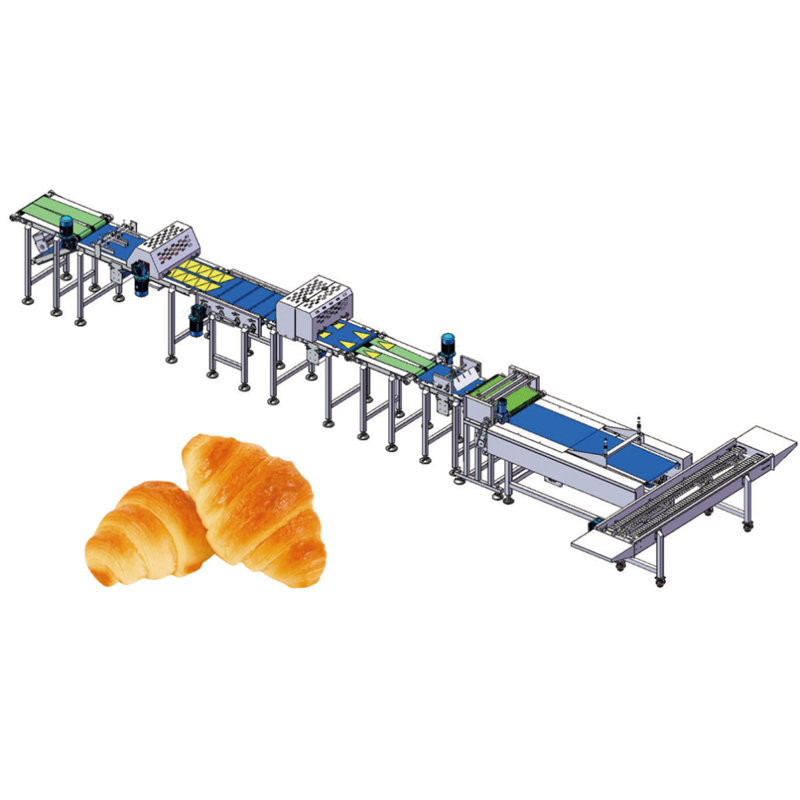
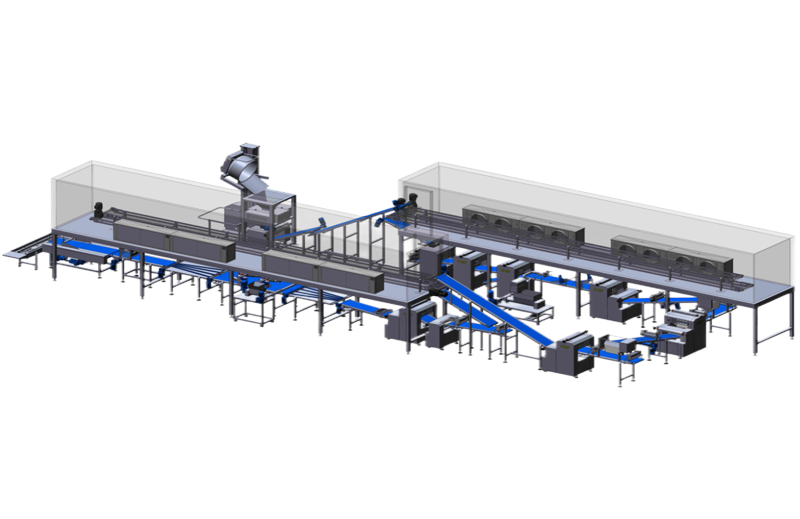
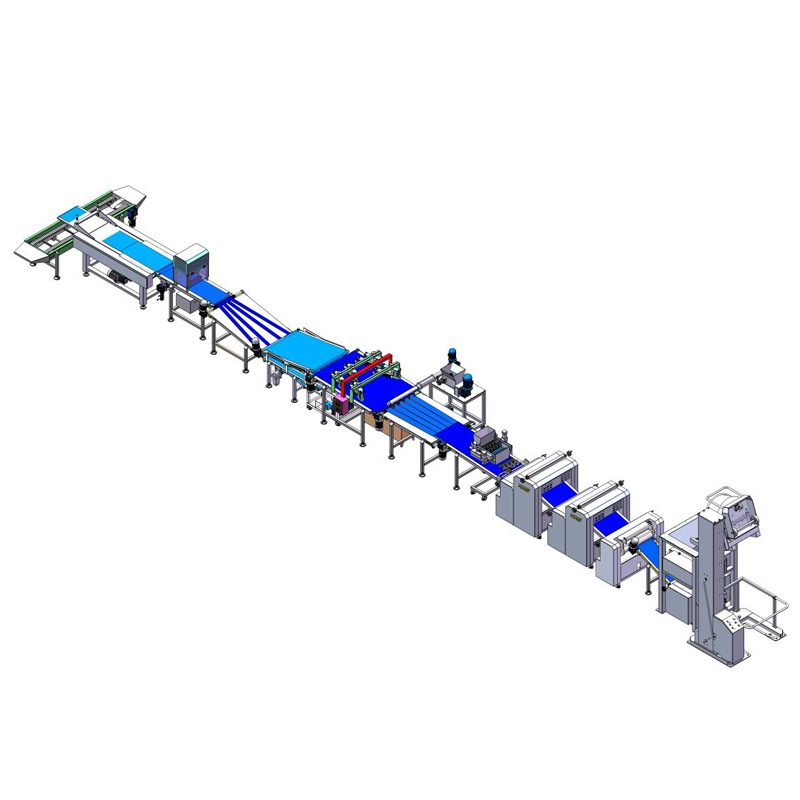
An Automatic Bread Production Line integrates multiple processing stages into a coordinated system, reducing repetitive manual operations and improving production control. Andrew Mafu Machinery provides customized bakery production solutions designed to meet different product specifications, factory layouts, and output requirements.
For bakeries planning to expand production or modernize existing facilities, selecting the right production line is an important step toward long-term operational efficiency.
The exact configuration depends on the bread recipe, product dimensions, and required automation level.
1. Dough Mixing
Flour, water, yeast, salt, and other ingredients are mixed according to the product recipe. Consistent ingredient measurement and mixing conditions help establish the dough characteristics required for subsequent processing.
2. Dough Dividing and Forming
The dough is divided into individual portions and shaped according to the target product. Automated processing helps maintain more consistent portioning and product dimensions while reducing manual handling.
3. Dough Resting and Proofing
Depending on the recipe and production process, dough pieces undergo resting or proofing before baking. Temperature, humidity, and time should be controlled according to product requirements.
4. Baking
The shaped and proofed dough enters the baking system. Baking conditions depend on dough formulation, loaf dimensions, oven configuration, and the desired crust and crumb characteristics.
5. Depanning and Cooling
After baking, bread is removed from the pans where applicable and transferred to a cooling system. Controlled conveying supports smooth product transfer and prepares the bread for subsequent slicing or packaging.
6. Packaging
The finished bread can be connected to downstream slicing, bagging, sealing, or other packaging equipment according to the production requirements.
Technical Parameters of an Automatic Bread Production Line
Andrew Mafu Machinery lists the ADMF-400-800 as an automatic bread production line for large-scale manufacturing. Its published specifications include the following values.
Parameter
ADMF-400-800 Specification
Model
ADMF-400-800
Machine Dimensions
Approx. 21 m × 7 m × 3.4 m
Production Capacity
1–2 tonnes/hour
Total Installed Power
82.37 kW
Production Type
Integrated bread production
Control and Settings
Configurable according to model and requirements
Product Applications
Bread products according to line configuration
Layout
Customizable to factory requirements
Source: Andrew Mafu Machinery’s published Automatic Bread Production Lines product information. Actual output depends on bread type, product weight, recipe, operating conditions, and line configuration.
Key Benefits of Automatic Bread Production
Improved Production Efficiency
Connecting mixing, forming, proofing, baking, cooling, and packaging equipment reduces unnecessary transfers between independent machines. A coordinated production flow helps manufacturers improve throughput and plan production more effectively.
Consistent Product Quality
Automated equipment supports repeatable processing conditions. Properly configured dividing, forming, and proofing systems help reduce variations in product size, shape, and quality.
Reduced Manual Handling
Automation can reduce repetitive tasks such as dough transfer, product positioning, and handling between production stages. Operators can focus more on production monitoring, quality checks, and equipment supervision.
Flexible Production Configuration
Different bakeries manufacture different products and operate under different space constraints. A customized line can be planned around product specifications, expected output, available floor space, and future expansion.
Hygiene and Equipment Design
Hygienic design is essential when selecting machinery for food production. The European Hygienic Engineering & Design Group provides guidance on equipment design intended to reduce contamination risks and support effective cleaning and maintenance.
Industrial bakeries should consider food-contact materials, accessible cleaning areas, conveyor design, maintenance access, and appropriate safety guards. Equipment should also be operated and cleaned according to the manufacturer’s instructions and applicable local food-safety requirements.
How to Choose the Right Production Line
Before investing in an automatic bread production line, manufacturers should evaluate:
1.Product requirements: Bread type, dough characteristics, loaf weight, and dimensions.
2.Production capacity: Required hourly or daily output and expected future demand.
3.Factory layout: Available space, utilities, material flow, and downstream equipment.
4.Automation level: Which processes should be automated and which require operator involvement.
5.After-sales support: Installation, training, spare parts, and technical assistance.
A clearly defined production brief helps equipment suppliers recommend a suitable configuration rather than simply focusing on machine speed or purchase price.
Conclusion
An Automatic Bread Production Line helps industrial bakeries coordinate dough processing, forming, proofing, baking, cooling, and packaging within an integrated production system. With appropriate configuration, automation can improve production efficiency, reduce manual handling, and support consistent bread quality.
Andrew Mafu Machinery offers automatic bread production solutions that can be customized according to product specifications, capacity targets, and factory requirements. Careful equipment selection enables manufacturers to establish a production system aligned with their current needs and long-term business goals.
FAQ
1. What is an automatic bread production line?
It is an integrated system that automates multiple stages of bread manufacturing, from dough processing to baking, cooling, and packaging.
2. What is the capacity of the ADMF-400-800 line?
Andrew Mafu Machinery publishes a reference capacity of 1–2 tonnes per hour, adjustable according to customer requirements. Actual output depends on the product and operating conditions.
3. Can the production line be customized?
Yes. The layout and configuration can be developed according to product specifications, factory space, capacity, and automation requirements.
4. What products can an automatic bread line manufacture?
Depending on the equipment configuration, it can support different bread products, such as toast bread, sandwich bread, and other commercial bakery products.
5. What should buyers prepare before requesting a quotation?
Prepare product samples or photographs, target product weight and dimensions, expected output, factory layout, and information about available utilities. These details help the supplier assess the required configuration.