How to Choose the Best Automatic Egg Tart Production Line for Your Bakery
2026-10-20
Egg tarts are popular bakery products sold by commercial bakeries, cafés, supermarkets, hotels, and food manufacturers. As demand increases, many manufacturers are looking for ways to improve production efficiency while maintaining consistent pastry shells, accurate filling quantities, and attractive finished products.
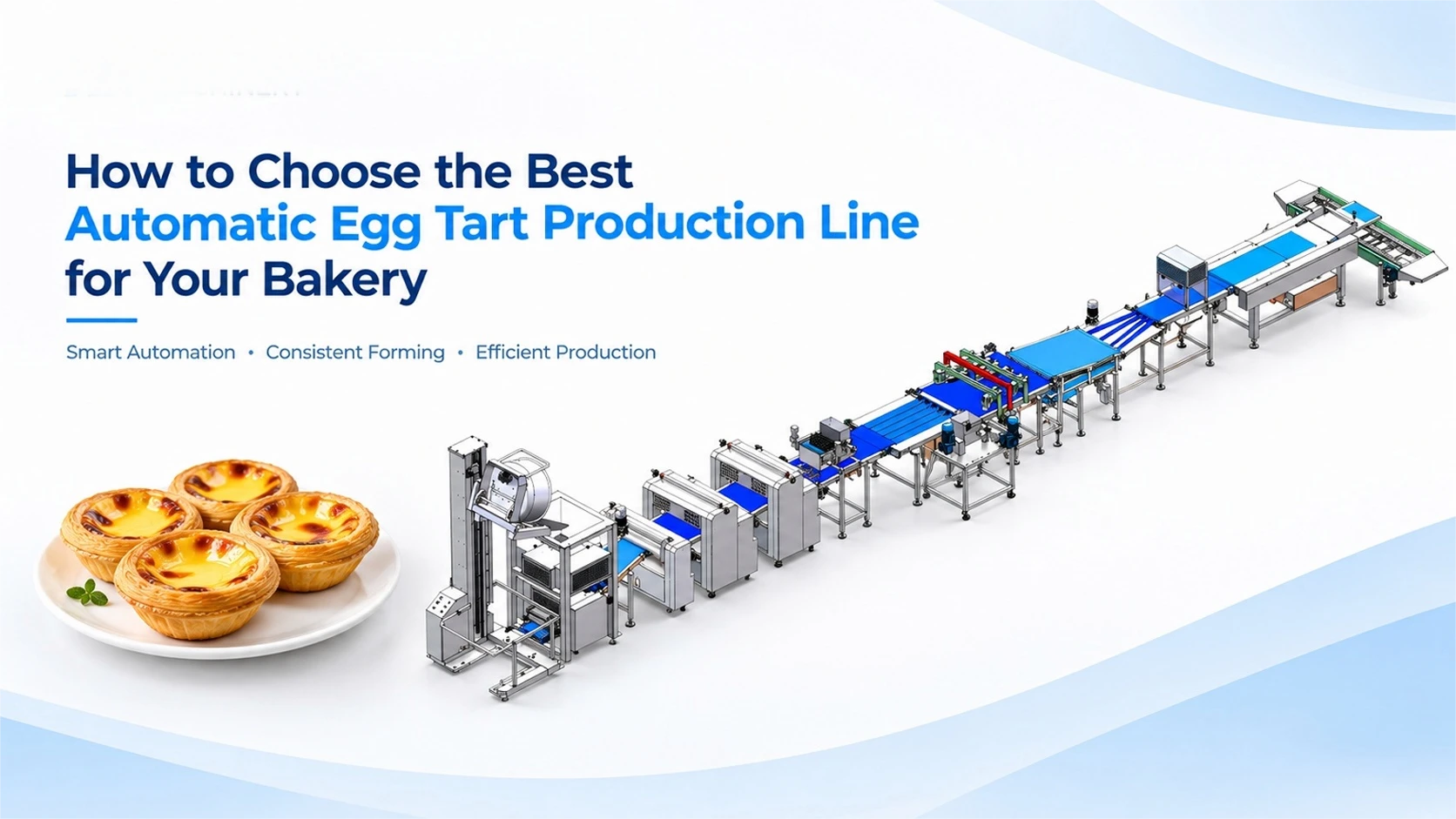
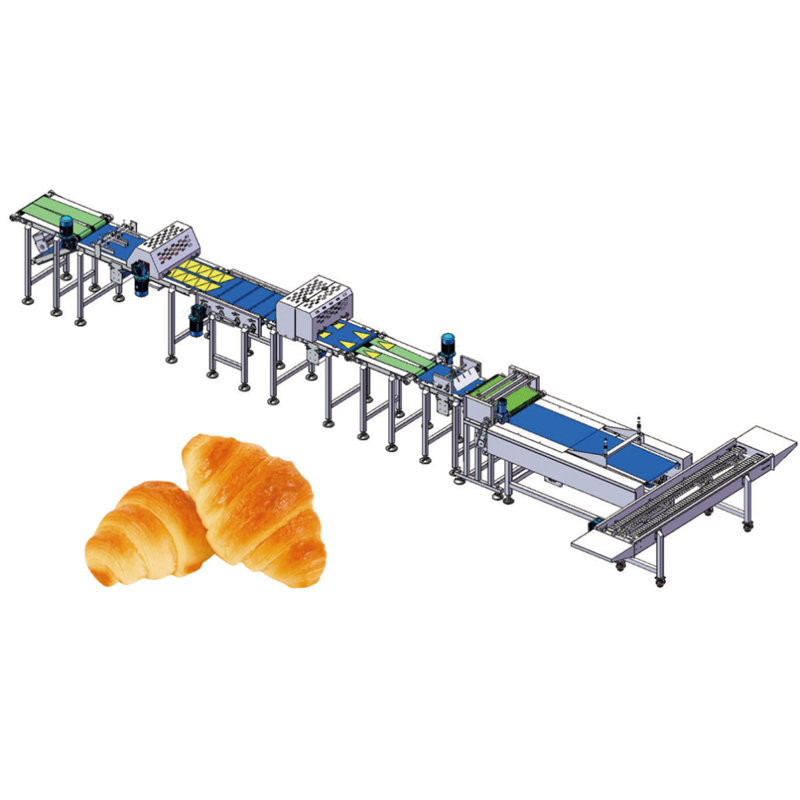
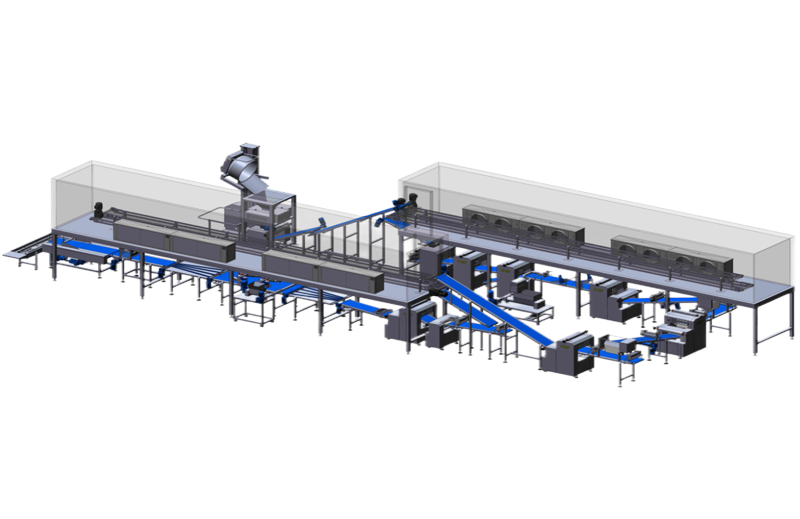
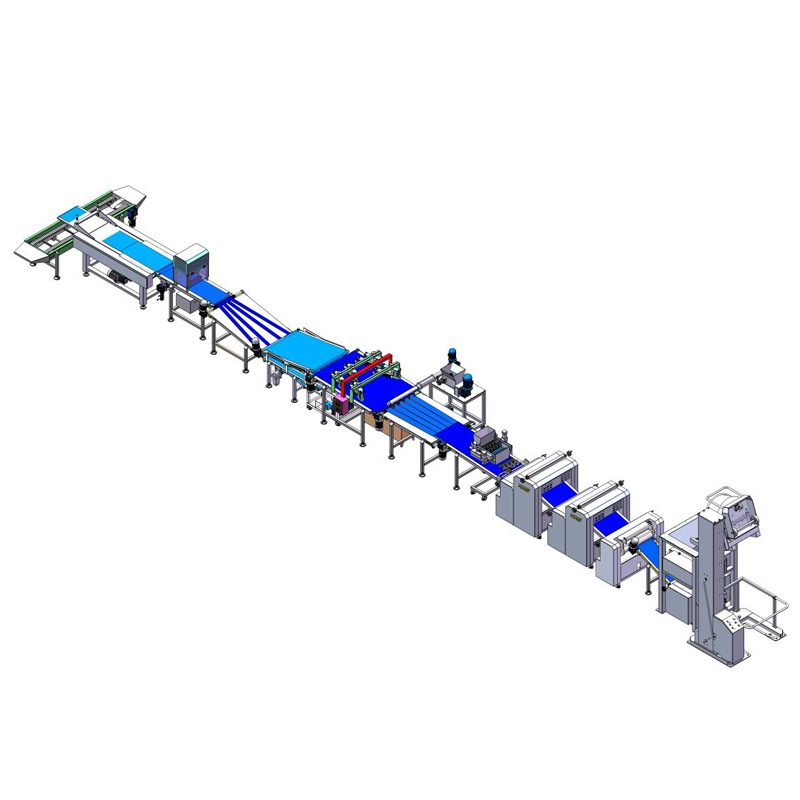
An Automatic Egg Tart Production Line can integrate dough processing, shell forming, ingredient filling, conveying, and other operations into a coordinated manufacturing system. However, not every production line has the same configuration. Some systems specialize in egg tart shell production, while more comprehensive solutions can include filling, tray handling, and baking equipment.
Choosing the right solution requires more than comparing purchase prices. Production capacity, product specifications, automation level, factory layout, and cleaning requirements all influence long-term performance.
Before selecting equipment, determine which products your bakery intends to manufacture.
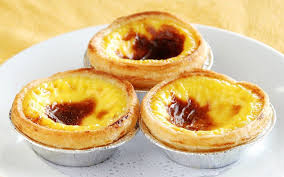
Common applications include: Portuguese-style egg tarts, Hong Kong-style egg tarts, Puff pastry egg tarts, Shortcrust pastry tarts, Other customized tart products.
Different products may require different dough formulations, mould geometries, shell depths, and forming methods.
For example, laminated pastry shells require careful dough handling to preserve their layers, while other tart styles may use different pressing and forming techniques.
Defining the product range first helps ensure that the selected equipment matches your actual manufacturing requirements.
2. Calculate Your Required Production Capacity
Production capacity should be based on expected customer demand, operating hours, number of shifts, and future business growth.
A production line that is too small may create bottlenecks, while an oversized system can increase investment and operating costs unnecessarily.
The following figures illustrate different equipment scales rather than guaranteed capacities for every machine:
Production Configuration
Illustrative Capacity
Typical Application
Compact shell-forming equipment
1,500–1,800 shells/hour
Small or medium production
Industrial high-output line
9,000–36,000 pieces/hour
Large-scale continuous manufacturing
Automatic filling section
Depends on nozzle arrangement and cycle speed
Filled egg tart production
Tray handling system
Depends on tray layout and line speed
Automated downstream processing
Published equipment examples demonstrate substantial differences in output between compact forming machines and large industrial egg tart lines. Actual performance depends on the model, product dimensions, tooling, and configuration.
3. Evaluate Egg Tart Shell Forming Technology
Shell forming is one of the most important stages in egg tart manufacturing.
A typical production sequence may include dough preparation, sheeting or portioning, dough feeding, mould pressing, shell forming, and shell transfer.
When evaluating a forming machine, consider:
1.Consistency of shell dimensions
2.Pastry thickness and distribution
3.Mould replacement convenience
4.Demoulding performance
5.Compatibility with different tart designs
Stable forming helps reduce variation between shells and makes subsequent filling and baking easier to control.
4. Choose Between Shell Production and a Complete Production Line
Your required equipment depends on where automation is needed.
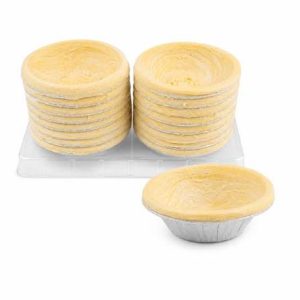
An egg tart shell production line focuses on processing pastry dough and forming the shells. It may be sufficient for manufacturers that fill and bake their products separately.
A more comprehensive egg tart production line may integrate:
Depending on the design, additional conveyors, cup-feeding mechanisms, and packaging equipment can also be included.
Before purchasing, confirm exactly which stages are included in the quotation and which are optional.
5. Check Filling Accuracy and Product Handling
For filled egg tarts, the filling section must work reliably with the shell-forming and conveying systems.
Consider the filling material, target quantity, viscosity, nozzle design, and required production speed. The system should deposit the filling consistently without damaging the pastry shell or overflowing the mould.
Synchronization is equally important. Shells must reach the filling position correctly, and filled products must transfer smoothly to the next stage.
6. Review Technical Specifications
The following table provides a preliminary reference for equipment selection. Values vary by machine model and should be confirmed against the required product.
Technical Parameter
Illustrative Reference
Product diameter
Approximately 40–90 mm
Pastry portion weight
Model-dependent; approximately 20–35 g in some forming applications
Shell-forming capacity
Approximately 1,500–1,800 shells/hour for certain compact machines
Control system
PLC and touchscreen on selected models
Forming method
Mechanical or pneumatic pressing, depending on design
Mould configuration
Product-specific and potentially replaceable
Electrical supply
Model-dependent; confirm voltage, frequency, and phase
Material
Food-contact materials selected according to the equipment design
Production layout
Standalone, modular, or integrated
Filling system
Optional or integrated, depending on configuration
These are planning references, not a specification sheet for Andrew Mafu Machinery. Final parameters should be confirmed through the technical quotation and product testing.
7. Prioritize Hygiene and Easy Maintenance
Food-processing equipment should be designed to support effective cleaning, inspection, and maintenance.
The FAO’s General Principles of Food Hygiene recommend that equipment contacting food be suitable for its intended use and designed to allow appropriate cleaning and disinfection while minimizing contamination risks.
When assessing an egg tart production line, check the accessibility of food-contact surfaces, removal of pastry residues, cleaning procedures for filling nozzles, and maintenance access around forming moulds.
The appropriate materials and sanitation procedures should be determined according to the intended food application and the regulations of the target market.
8. Consider Automation, Installation, and After-Sales Support
Automation should match your production goals rather than simply maximize the number of automatic functions.
Before choosing a supplier, evaluate:
1.PLC operation and adjustment
2.Product changeover and mould replacement
3.Production-line synchronization
4.Installation and commissioning support
5.Operator training and documentation
6.Spare parts availability and technical assistance
Also provide the supplier with the available factory floor plan, required output, product dimensions, and utility information. This helps reduce installation issues and supports a more practical production-line design.
Conclusion
Choosing the best Automatic Egg Tart Production Line requires a clear understanding of product specifications, output targets, pastry forming, filling requirements, hygiene, and future expansion plans.
For smaller operations, a dedicated shell-forming machine may be sufficient. For larger manufacturers, an integrated line combining shell forming, filling, tray handling, and baking may provide a more efficient production workflow.
Andrew Mafu Machinery can assess equipment requirements according to the product range, desired capacity, factory layout, and automation objectives. The best starting point is to prepare product samples and production targets so that the final equipment configuration can be matched to your bakery’s actual needs.
FAQ
1. What is included in an Automatic Egg Tart Production Line?
Depending on the configuration, it may include dough preparation, shell forming, filling, conveying, tray handling, and baking equipment.
2. Can one machine produce different types of egg tarts?
Some machines support different shell shapes and sizes through interchangeable or customized moulds. Compatibility should be confirmed for each product.
3. What production capacity should I choose?
Calculate the hourly output needed to meet customer demand and account for operating shifts, cleaning, product changes, and downstream equipment capacity.
4. Can egg tart shells and filling be produced automatically?
Yes. Shell forming and filling can be integrated into a coordinated production system when the selected equipment supports both processes.
5. What information should I prepare before requesting a quotation?
Provide egg tart samples or photographs, shell diameter, pastry weight, filling requirements, target output, factory layout, and available utilities.