Introduction: The Critical Role of Cutting Technology in Modern Food Production
In industrial food processing and bakery manufacturing, cutting is a crucial stage that directly impacts product appearance, portion accuracy, and overall quality. For soft and layered products such as sandwiches, cakes, and filled bread, traditional cutting methods often fail to deliver consistent results.
Conventional cutting systems rely on mechanical blades that apply pressure during operation. This often leads to deformation, product sticking, uneven edges, and increased maintenance requirements. These issues not only reduce product quality but also affect production efficiency and operational costs.
To address these challenges, Andrew Mafut masini (Faamolo) has developed the Ultrasonic Sandwich Cutting Machine, an advanced solution that uses high-frequency vibration technology to achieve clean, precise, and efficient cutting for soft food products.
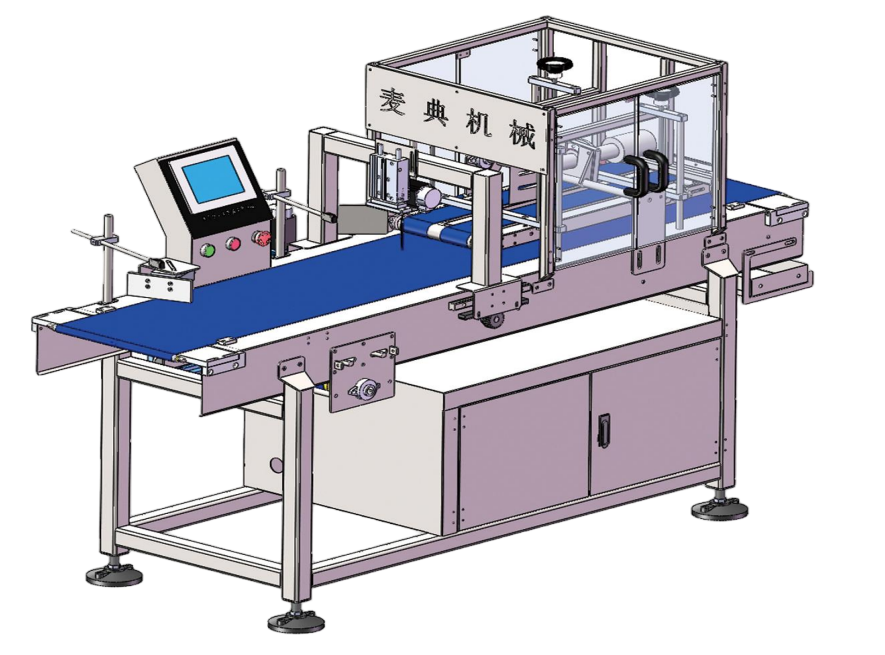 Understanding Ultrasonic Cutting Technology
Ultrasonic cutting is based on high-frequency mechanical vibration, typically operating at frequencies above 20 kHz. The ultrasonic generator converts electrical energy into mechanical vibration, which is transmitted to the cutting blade.
This vibration significantly reduces friction between the blade and the product, allowing the blade to pass through soft materials smoothly without applying excessive pressure.
Key Characteristics of Ultrasonic Cutting:
- Minimal cutting resistance
- Reduced adhesion between blade and product
- Preservation of internal product structure
- Clean and smooth cutting surfaces
This technology is particularly suitable for soft, sticky, or multi-layered food products where traditional cutting methods are ineffective.
Limitations of Traditional Cutting Methods
In industrial sandwich and bakery production, traditional cutting systems often present several operational challenges:
1. Product Deformation
Mechanical pressure compresses soft products, damaging internal structure.
2. Filling Leakage
Cream, jam, or cheese fillings are squeezed out during cutting.
3. Blade Sticking
Sticky ingredients adhere to the blade, requiring frequent cleaning.
4. Inconsistent Portioning
Uneven cuts result in product variation and quality issues.
 Performance Comparison: Traditional vs Ultrasonic Cutting
| Tulaga tau | Traditional Cutting | Ultrasonic Cutting |
| Cutting Precision | Feololo | High |
| Product Deformation | High | Leai |
| Blade Adhesion | Frequent | Minimal |
| Maintenance Frequency | High | Low |
| Product Appearance | Inconsistent | Clean & uniform |
This comparison clearly demonstrates why ultrasonic cutting has become the preferred solution in modern food processing environments.
Applications of ADMF Ultrasonic Sandwich Cutting Machine
The ADMF ultrasonic cutting machine is designed for a wide range of food applications, including:
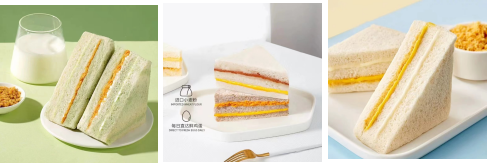
- Sandwich production (triangular, rectangular, multi-layer)
- Layered cake cutting
- Cream-filled bakery products
- Soft bread and toast slicing
- Frozen or semi-frozen food products
Its versatility makes it suitable for:
- Industrial food factories
- Central kitchens
- Bakery chains
- Ready-to-eat food manufacturers
Key Features of ADMF Ultrasonic Cutting Machine
1. High-Precision Cutting Performance
The ultrasonic blade ensures extremely accurate cutting, maintaining consistent portion size and shape.
Benefits:
- Uniform product dimensions
- Improved visual presentation
- Reduced product rejection
2. Non-Stick Cutting Process
The high-frequency vibration prevents product material from adhering to the blade, even when processing sticky or creamy products.
Benefits:
- Continuous production without interruption
- Reduced cleaning frequency
- Improved operational efficiency
3. High-Speed Automated Operation
The machine supports continuous conveyor-based feeding and cutting, enabling high production throughput.
Benefits:
- Increased production capacity
- Reduced manual intervention
- Stable and reliable performance
4. Flexible Cutting Configurations
The system can be configured to support multiple cutting patterns:
- Triangle cuts for sandwiches
- Square or rectangular portions
- Customized shapes based on product requirements
Benefits:
- Adaptability to different market demands
- Support for product diversification
Ultrasonic Cutting Process Workflow
| Stage | Faasologa o Faamatalaga | Operational Advantage |
| Product Feeding | Products are transported via conveyor | Continuous and stable input |
| Positioning | System aligns products accurately | Precise cutting positioning |
| Ultrasonic Cutting | High-frequency blade performs cutting | Clean edges without deformation |
| Output Transfer | Finished products are conveyed forward | Ready for packaging or further processing |
Technical Specifications of ADMF Ultrasonic Cutting Machine
| Tulaga tau | Faamatalaga |
| Cutting Technology | Ultrasonic vibration blade |
| Gaosiga gafatia | 1,000 – 3,000 pcs/hour |
| Cutting Accuracy | High precision with minimal deviation |
| Pulea faiga | PLC + Touchscreen Interface |
| Meafaitino | Food-grade Stainless Steel |
| Power Supply | 380V / 50Hz |
| Faatatauga | Sandwich, cake, soft food products |
Integration with Automated Production Lines
The ADMF ultrasonic cutting machine is designed for seamless integration into existing food production systems.
It can be connected with:
- Sandwich forming lines
- Bread slicing machines
- Packaging systems
- Conveyor systems
This integration enables a fully automated production workflow, from product preparation to final packaging.
Operational Benefits for Food Manufacturers
Improved Product Quality
Clean cutting ensures better product presentation and customer satisfaction.
Reduced Material Waste
Accurate cutting minimizes trimming loss and improves yield.
Lower Maintenance Requirements
Non-stick blade operation reduces cleaning frequency and downtime.
Enhanced Production Efficiency
Continuous automated operation supports large-scale production.
Aisea na filifili ai Andrew Mafur
Andrew Mafu Machinery is a trusted manufacturer of industrial bakery and food processing equipment, offering:
- Advanced cutting and forming solutions
- Fully automated production lines
- Customized engineering support
- Global project experience
With a focus on innovation and reliability, ADMF provides solutions that help manufacturers achieve higher efficiency and consistent product quality.
Faaiuga
The ADMF Ultrasonic Sandwich Cutting Machine represents a significant advancement in food cutting technology. By combining ultrasonic vibration with automated processing, the system delivers superior cutting precision, improved efficiency, and reduced operational costs.
For manufacturers seeking to enhance product quality and optimize production processes, ultrasonic cutting technology is an essential investment for modern food processing operations.
FAQ – Ultrasonic Cutting Machine

E ala i le faafanua