High-Hydration Dough Dividing, Rounding and Intermediate Proofing System: The Core of Consistent Premium Bread Production

News

High-Hydration Dough Dividing, Rounding and Intermediate Proofing System: The Core of Consistent Premium Bread Production

2026-06-18

Introduction

As consumer demand for premium toast bread, sandwich bread, brioche, and high-hydration bakery products continues to grow, bakery manufacturers are increasingly investing in production systems capable of handling soft, high-moisture dough while maintaining product consistency and production efficiency.

Among the critical stages of industrial bread production, the process from dough dividing to rounding and intermediate proofing plays a decisive role in determining final product quality. Even slight variations during these stages can affect dough structure, fermentation performance, loaf volume, and finished bread appearance.

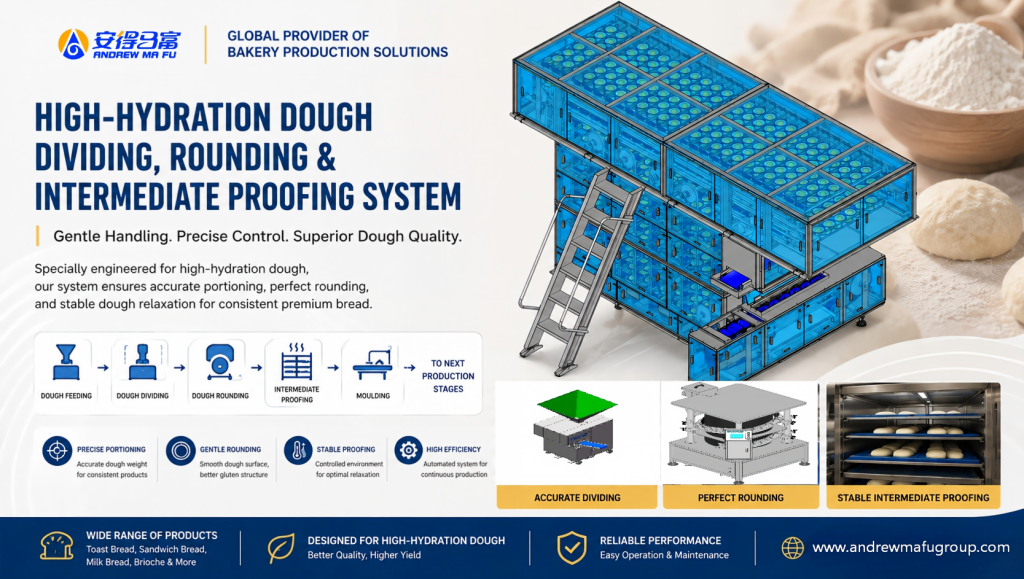
Andrew Mafu Machinery has developed an advanced High-Hydration Dough Dividing, Rounding and Intermediate Proofing System specifically designed for industrial bakeries producing high-hydration bread products. The system combines precise dough handling technology, intelligent automation, and flexible customization to help manufacturers achieve stable production and superior product quality.


Why High-Hydration Dough Requires Specialized Equipment

Compared with conventional bread dough, high-hydration dough contains significantly higher water content, making it softer, stickier, and more difficult to process.

Challenges often include:

  • Dough deformation during conveying
  • Inconsistent dividing accuracy
  • Poor rounding performance
  • Surface damage
  • Unstable fermentation results

Traditional bread processing equipment may struggle to maintain dough integrity under these conditions.

Andrew Mafu Machinery addresses these challenges through a carefully engineered production system designed specifically for high-hydration dough applications.

System Overview

Process Stage Main Function Key Benefits
Dough Dividing Accurate dough portioning Consistent weight, reduced waste
Dough Rounding Gentle shaping into uniform balls Better gas retention and loaf volume
Intermediate Proofing Dough relaxation and conditioning Improved moulding and fermentation
Automated Conveying Continuous dough transfer Higher efficiency and less manual handling
Intelligent Control Adjustable parameters Flexible production for different products

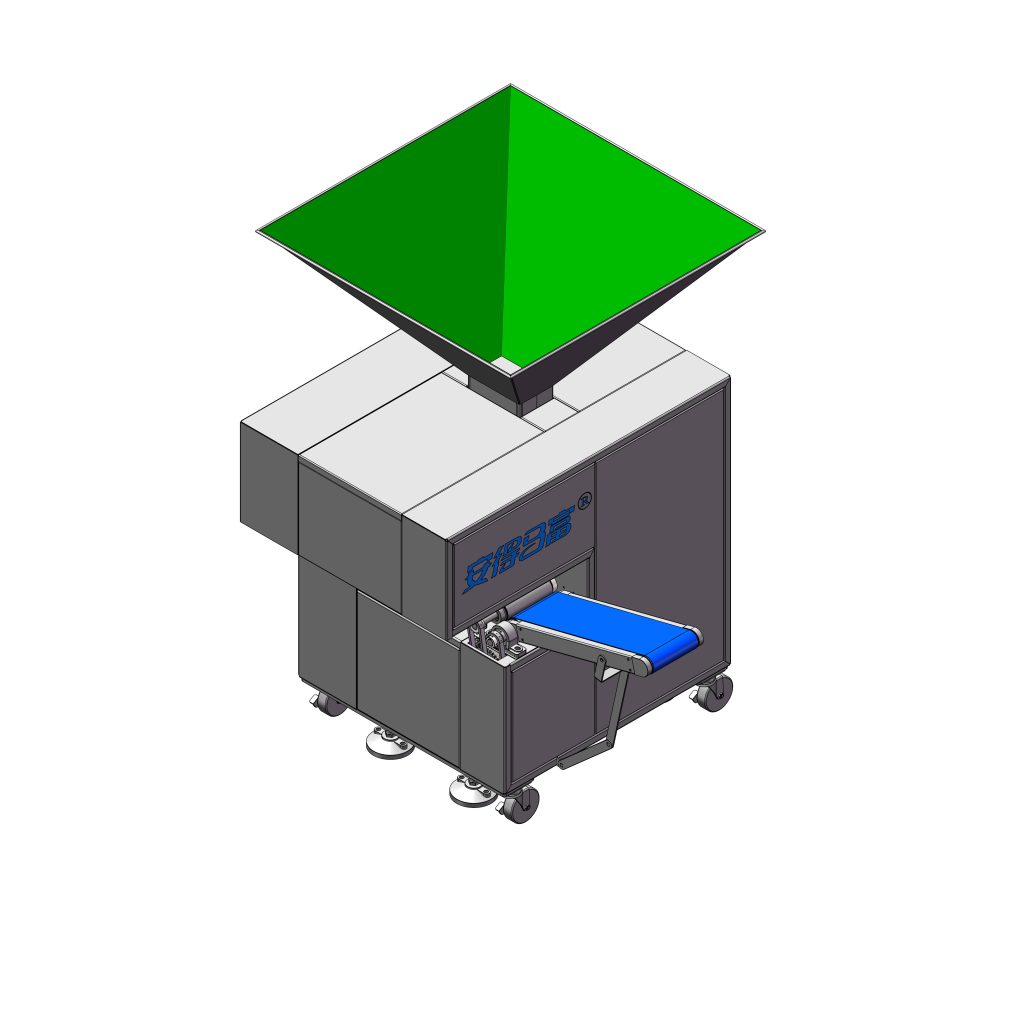
Automatic Dough Dividing System

The first stage of the process is accurate dough portioning.

The dough divider is designed to divide fermented dough into precise weights while minimizing pressure and mechanical stress.

Main Functions

  • High-precision dough portioning
  • Stable continuous operation
  • Gentle dough handling
  • Reduced dough damage
  • Consistent product weight

Benefits

Accurate dividing ensures:

  • Uniform loaf size
  • Stable fermentation
  • Reduced product waste
  • Improved production consistency

The divider can be customized according to production capacity requirements and dough characteristics.


Dough Rounding System

After dividing, dough pieces are transferred automatically to the rounding section.

The rounder gently shapes dough portions into smooth, uniform balls, preparing them for the intermediate proofing process.

Main Functions

  • Uniform dough rounding
  • Smooth dough surface formation
  • Improved gluten structure
  • Stable product shape

Benefits

Proper rounding contributes to:

  • Better gas retention
  • Improved fermentation performance
  • Enhanced bread volume
  • More consistent final products

The rounding system is optimized for high-hydration dough and minimizes sticking while maintaining product integrity.


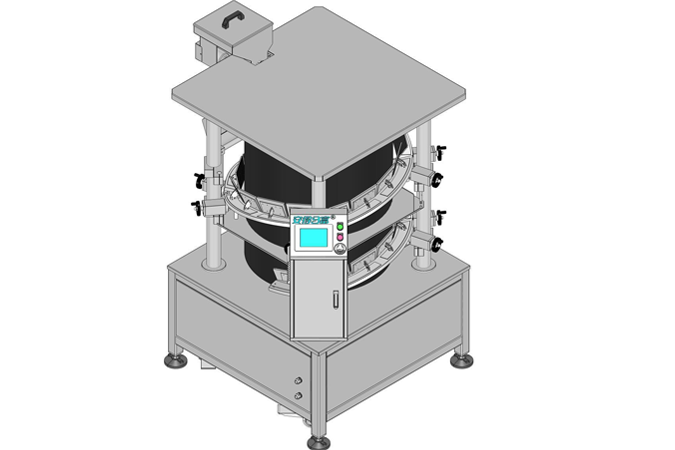
Intermediate Proofing System (Dough Relaxation Chamber)

The intermediate proofer is one of the most important sections of the bread production line.

After rounding, dough pieces require a controlled resting period to relax the gluten network before entering the final moulding process.

Main Functions

  • Dough relaxation
  • Controlled resting time
  • Stable dough conditioning
  • Continuous production flow

Benefits

Intermediate proofing helps:

  • Reduce dough resistance
  • Improve moulding performance
  • Enhance final loaf structure
  • Increase production stability

The proofing chamber provides precise control over temperature, humidity, and proofing time to ensure optimal dough conditions.


Technical Advantages of the Intermediate Proofer

Andrew Mafu Machinery’s intermediate proofing system features:

Food-Grade Construction

Manufactured using high-quality stainless steel materials to meet international food safety standards.

Automated Conveying

Dough pieces are transferred automatically through the proofing chamber without manual handling.

Precise Proofing Time Control

The proofing duration can be adjusted according to:

  • Dough formulation
  • Hydration level
  • Product specifications
  • Production speed

Hygienic Design

The enclosed structure helps reduce contamination risks and facilitates cleaning and maintenance.


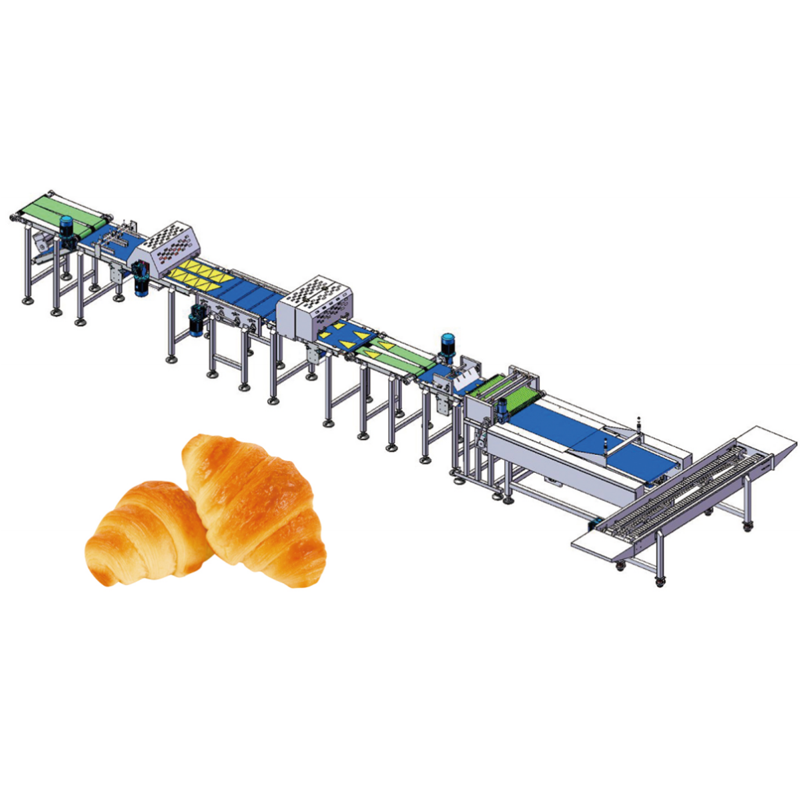
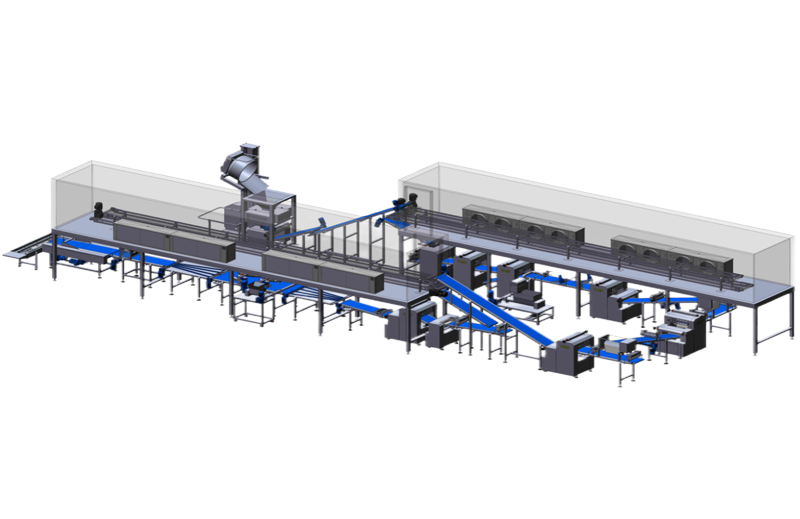
Complete Production Flow

The system integrates seamlessly into industrial bread production lines.

Production Process

Dough Feeding

Automatic Dividing

Automatic Rounding

Intermediate Proofing

Bread Moulding

Final Proofing

Baking

Cooling

Packaging

This fully automated process significantly improves efficiency while reducing labor requirements.


Suitable Products

The system is suitable for a wide variety of bakery products, including:

Toast Bread

High-hydration toast bread with soft texture and excellent volume.

Sandwich Bread

Uniform sandwich loaves for industrial production.

Japanese Milk Bread

Premium soft bread requiring gentle dough handling.

Brioche

Rich dough formulations with high moisture content.

Whole Wheat Bread

Consistent shaping and proofing performance.

Specialty Bakery Products

Customized bread products requiring precise dough processing.


Customization Options

Every bakery has unique production requirements.

Andrew Mafu Machinery provides customized solutions based on:

Production Capacity

Available configurations for small, medium, and large industrial bakeries.

Product Weight Range

Customized dividing systems for various product sizes.

Dough Characteristics

Adapted for different hydration levels and dough formulations.

Factory Layout

Production line layouts designed according to customer facility requirements.

Automation Level

Semi-automatic or fully automatic configurations available.


Key Advantages for Industrial Bakeries

Improved Product Consistency

Precise dough handling reduces variation between products.

Reduced Labor Requirements

Automation minimizes manual intervention.

Higher Production Efficiency

Continuous operation supports large-scale production.

Better Dough Quality

Gentle processing preserves dough structure.

Flexible Production

Suitable for multiple bread varieties.

Long-Term Reliability

Industrial-grade components ensure stable operation.


Conclusion

The High-Hydration Dough Dividing, Rounding and Intermediate Proofing System from Andrew Mafu Machinery represents a critical solution for bakeries seeking to produce premium bread products with maximum consistency and efficiency.

By combining precise dividing technology, advanced rounding systems, and intelligent intermediate proofing control, the equipment helps bakery manufacturers overcome the challenges associated with high-hydration dough processing while improving product quality and operational performance.

As bakery automation continues to evolve, Andrew Mafu Machinery remains committed to delivering innovative, customizable, and reliable solutions for industrial bread manufacturers worldwide.


FAQ

What hydration levels can the system handle?

The system is specifically designed for medium and high-hydration dough formulations commonly used in toast bread, milk bread, and premium bakery products.

Can the production capacity be customized?

Yes. The dividing, rounding, and proofing systems can be configured according to customer production requirements.

What products are suitable for this system?

Toast bread, sandwich bread, milk bread, brioche, whole wheat bread, and other specialty bread products.

Can the system be integrated into an existing production line?

Yes. The equipment can be integrated with existing mixers, moulders, proofers, ovens, and packaging systems.

References

PMMI – Packaging and Processing Technologies Associationhttps://www.pmmi.org

American Society of Baking (ASB)https://www.asbe.org

Bakery Chinahttps://www.bakerychina.com

Feature Product

Send Your Inquiry Today

    Name

    * Email

    Phone

    Company

    * What I have to say